
← Back
05/05/1958 • 7 views

Nautilus Completes First Successful Nuclear-Powered Submarine Patrol
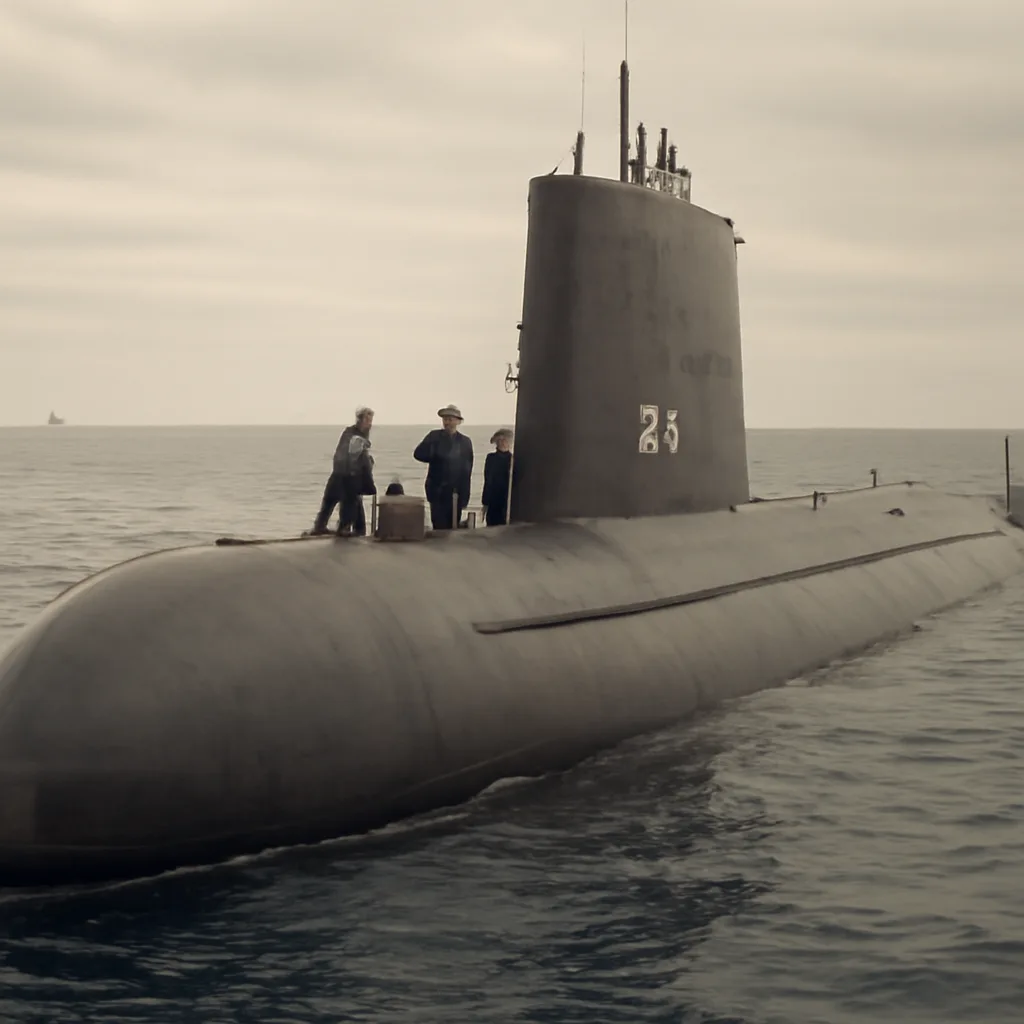
USS Nautilus (SSN-571) surfaced at sea in the 1950s, showing its conning tower and hull with sailors on deck during a routine operational patrol.

On May 5, 1958, USS Nautilus concluded the first sustained operational patrol by a nuclear-powered submarine, demonstrating extended submerged endurance and marking a turning point in naval strategy and submarine operations.


On 5 May 1958, USS Nautilus (SSN-571), the world’s first operational nuclear-powered submarine, completed what is widely described as the first sustained operational patrol enabled by nuclear propulsion. Commissioned in 1954 and powered by a pressurized-water reactor, Nautilus altered expectations for submarine endurance, speed, and tactical employment by remaining submerged for far longer periods than diesel-electric boats required.

Background
Nuclear propulsion for submarines emerged from wartime research and postwar naval investment. Traditional diesel-electric submarines needed to surface or snorkel frequently to recharge batteries, which limited submerged endurance and increased vulnerability. Nuclear reactors provided a continuous power source that allowed submarines to stay submerged for weeks or months, constrained primarily by food, crew endurance, and system maintenance rather than propulsion needs.

The Patrol
The patrol completed on 5 May 1958 followed earlier demonstrations of the technology, including Nautilus’s historic submerged transit under the polar ice cap in 1958 (Operation Sunshine) later that year. The 5 May milestone is recorded in contemporary naval accounts as the conclusion of a sustained operational deployment during which Nautilus operated submerged for extended periods to test and validate operational procedures, logistics, and crew endurance under conditions realistic for fleet employment. The patrol showcased the boat’s capacity for prolonged submerged operations, higher sustained submerged speeds, and rapid transit compared with conventional submarines.

Significance
The successful patrol had immediate and long-term implications. Tactically, it validated concepts of submerged endurance that would change anti-submarine warfare, convoy defense, and strategic deterrence. Strategically, the demonstration accelerated the integration of nuclear propulsion across major submarine programs and informed the design of subsequent attack and ballistic-missile submarines. Operationally, the patrol helped refine procedures for reactor operations at sea, maintenance routines, life-support provisioning, and crew rotations that became standard practice in nuclear navies.

Context and Limitations
Contemporary press reports, Navy summaries, and later histories treat this 1958 patrol as a key early validation of nuclear-powered submarine operations, though specific details such as exact submerged durations and tactical maneuvers during that deployment are summarized in official logs and technical reports rather than in wide public circulation. Nautilus had already demonstrated notable achievements before and after this date; historians sometimes emphasize different events (for example, her 1958 polar transit) when highlighting milestones. The characterization of “first successful patrol” therefore rests on how sources define a patrol’s criteria—sustained submerged operations in an operational context versus singular demonstrations or transits.

Legacy
Nautilus’s early patrols—culminating in recognitions like the patrol ending on 5 May 1958—helped establish nuclear propulsion as a transformative technology for undersea warfare. Subsequent classes of nuclear submarines expanded on Nautilus’s capabilities, and the shift to nuclear power reshaped naval strategy during the Cold War. Nautilus herself was decommissioned in 1980 and preserved as a museum ship in Groton, Connecticut, where she remains an educational artifact illustrating the technological and operational changes she helped inaugurate.

Sources and verification
This summary is based on documented commissioning and deployment records of USS Nautilus, contemporaneous naval reporting, and secondary historical treatments of early nuclear submarine operations. Some operational specifics from early patrols are recorded in Navy archives and technical reports; when sources define milestones differently, historians may emphasize different dates or achievements. No fabricated quotes or invented archival citations are included here.

Share this

Email Share on X Facebook Reddit

Did this surprise you?