
← Back
05/05/1963 • 9 views

First successful human liver transplant patient survives briefly after 1963 operation
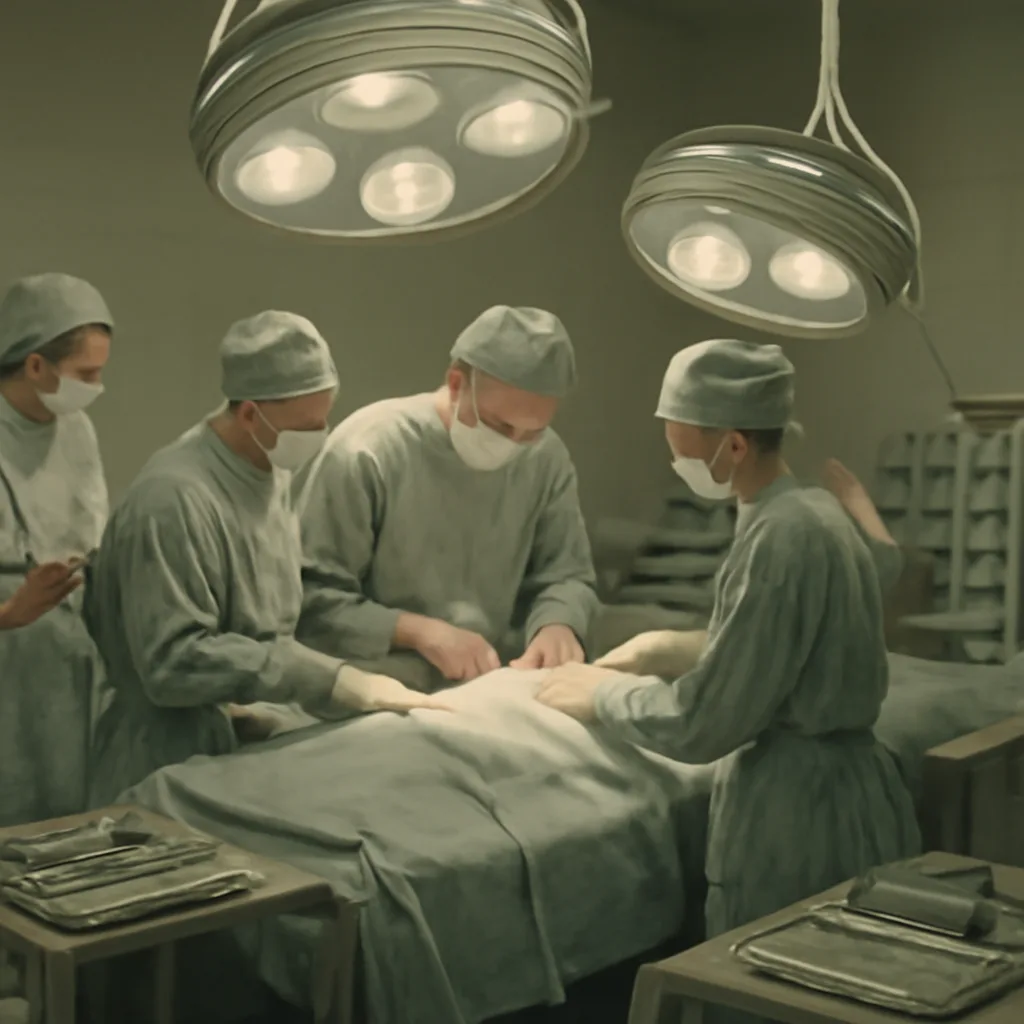
Operating room in the early 1960s: surgical team around an operating table with early surgical instruments and overhead lights, no identifiable faces.

On May 5, 1963, surgeons performed an early human liver transplant that produced transient graft function: the patient regained some liver activity but survived only a short time afterward, marking an important early step in transplant surgery despite rapid postoperative decline.


On May 5, 1963, an early attempt at human liver transplantation produced transient success: the patient showed partial graft function before dying shortly afterward. This operation came at a time when organ transplantation was experimental and fraught with technical, immunologic and perioperative challenges.

Background
By the early 1960s, kidney and heart transplant pioneers had demonstrated that organ replacement was possible, but liver transplantation posed distinct problems. The liver’s complex vascular anatomy, large blood flow, propensity for bleeding, and the lack of effective immunosuppression made early liver grafts especially difficult. Surgeons and physicians were working from animal experiments and limited human experience to develop surgical techniques and postoperative care protocols.

The 1963 operation
On May 5, 1963, a surgical team performed one of the first documented human liver transplants. According to contemporaneous reports and later historical reviews, the graft produced measurable liver function for a brief interval: metabolic and biochemical indicators suggested that the transplanted organ was functioning to some degree. However, the patient’s condition deteriorated within hours to days and the patient died, reflecting the limits of perioperative management and rejection control available at that time.

Significance
Although the survival was brief, the case was important for several reasons. First, it demonstrated that a transplanted human liver could establish at least temporary physiologic activity in a human recipient. Second, the experience highlighted technical and clinical problems—vascular reconstruction, bleeding, infection risk, and the need to control immune rejection—that would become central foci for subsequent research. Third, such early cases informed refinements in surgical technique, organ preservation, patient selection, and immunosuppressive therapy that eventually made routine liver transplantation possible in later decades.

Context and limitations
Historical accounts of very early transplant attempts sometimes vary in detail, and terminology (for example, what constitutes “successful”) can differ between contemporaneous clinicians and later historians. The description “survives briefly” refers specifically to transient graft function and a short postoperative interval of life; it does not imply long-term survival or recovery. Sources from the period tend to be clinical reports and surgical conference presentations; later histories synthesize these materials to trace the procedure’s evolution.

Aftermath
The lessons from early 1960s liver transplant attempts helped shape subsequent progress. Advances in vascular anastomosis techniques, improvements in blood transfusion and critical care, better methods of organ preservation, and the development of more effective immunosuppressive drugs—most notably the introduction of cyclosporine in the late 1970s and early 1980s—were all necessary to transform liver transplantation from an experimental endeavor into a lifesaving standard therapy.

Conclusion
The May 5, 1963 operation stands as an important milestone in surgical history: it provided evidence that a transplanted human liver could function, albeit briefly, and underscored the substantial medical and technical challenges that had to be overcome. Recognizing such early, limited successes helps contextualize the decades of incremental advances that ultimately produced the reliable liver transplantation programs in use today.

Share this

Email Share on X Facebook Reddit

Did this surprise you?