
← Back
05/27/1954 • 8 views

Northgate Center opens: an early model of the modern shopping center
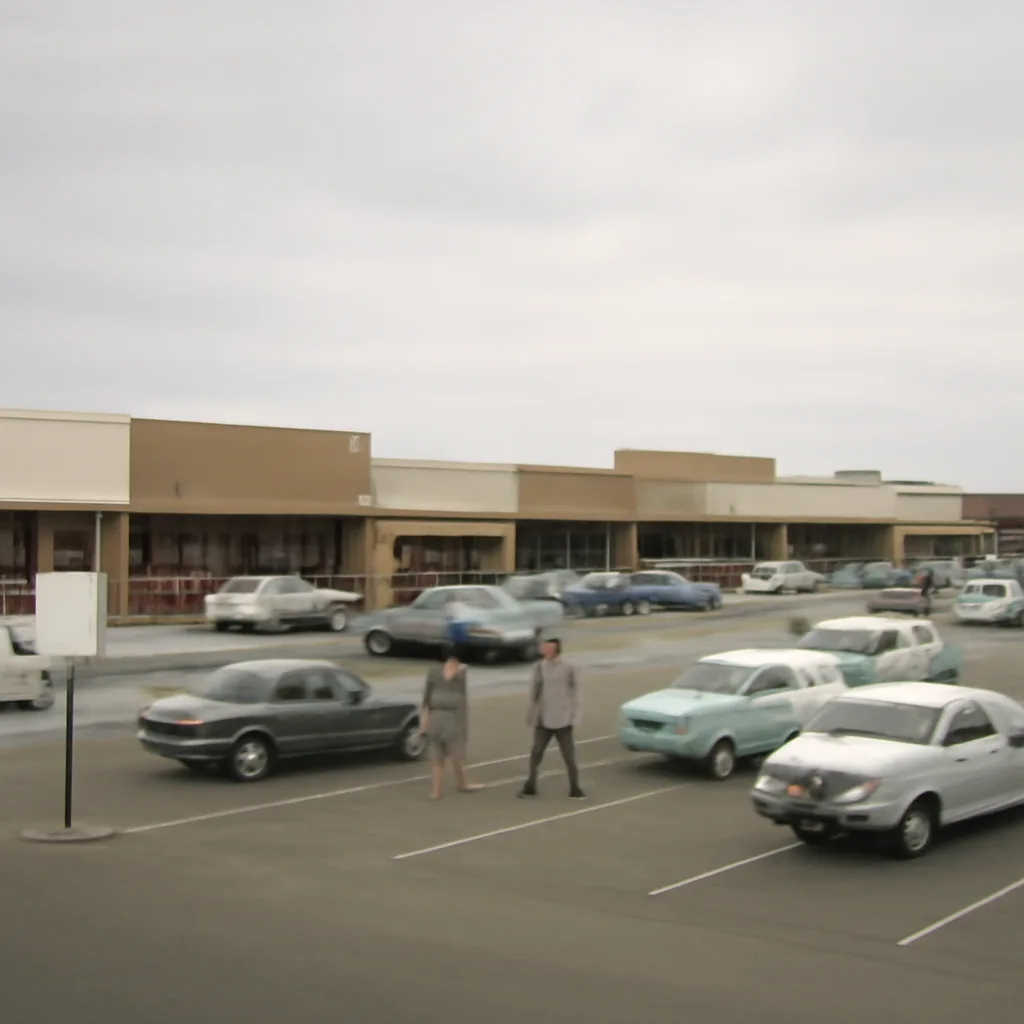
Exterior view of mid-1950s Northgate Center-style shopping complex with low single-story storefronts, wide paved surface parking lot filled with period cars, shoppers walking to entrances, and signage typical of the era.

On May 27, 1954 Northgate Center in Seattle opened to the public, offering a planned cluster of retail stores with shared parking — an early example of the postwar modern shopping center that influenced suburban commercial development in the United States.


On May 27, 1954, Northgate Center in Seattle opened its doors and began operating as a planned cluster of retail establishments designed around automobile access and shared amenities. While several earlier retail developments incorporated multiple stores in a single location, Northgate is frequently cited by historians and contemporaries as an influential early example of the postwar “modern shopping center” concept that shaped the suburban commercial landscape in the United States.

Northgate’s design reflected changing consumer habits and urban patterns after World War II. The center grouped grocery, department, specialty shops and service businesses in a single complex with a large surface parking area, intended to make automobile access convenient. Its layout prioritized visibility from nearby roadways and ease of circulation for drivers — features that became characteristic of suburban shopping centers in the 1950s and 1960s.

The opening came amid broader shifts: rising automobile ownership, suburban growth, and new retail business models emphasizing convenience and scale. Northgate’s developers and tenants sought to capture the spending of suburban households that were increasingly mobile and concentrated outside traditional downtown shopping districts. Its combination of multiple stores, parking, and a unified development plan helped popularize an approach to retail property that differed from earlier urban department stores and independent neighborhood shopping streets.

Scholars note that the term “first shopping center” can be contested because shopping complexes with multiple stores existed earlier in various forms worldwide — from arcades and enclosed passages in the 19th century to automobile-oriented strip developments in the early 20th century. However, Northgate’s 1954 opening is often highlighted in U.S. histories as emblematic of the modern, automobile-centered suburban shopping center that became widespread in the postwar era.

Northgate’s influence lay less in absolute novelty than in timing and design clarity: it embodied the combination of planned tenancy, consolidated parking, and auto-focused circulation that many later centers adopted and expanded. Over subsequent decades, shopping centers evolved into larger regional malls, enclosed shopping malls, and later mixed-use developments; each iteration reflected technological, demographic and planning changes. Northgate itself underwent changes over time, adapting to shifting retail trends and urban redevelopment efforts in Seattle.

Contextualizing Northgate’s opening also involves recognizing the social and planning impacts of suburban retail expansion. The growth of automobile-oriented shopping centers contributed to changes in urban form, commuting patterns, and the economic fortunes of downtown commercial districts. These developments intersected with broader postwar issues including housing policies, highway construction, and patterns of suburbanization.

In sum, May 27, 1954 marks the opening of Northgate Center in Seattle — a key early example in the United States of the modern shopping center model characterized by planned retail clustering and automobile accommodation. While historians debate which site qualifies as the absolute “first” shopping center, Northgate remains a noteworthy early instance of the form that reshaped American retail and suburban development in the mid-20th century.

Share this

Email Share on X Facebook Reddit

Did this surprise you?