
05/27/1952 • 7 views
Panic at a 1952 3D Screening Sparks Public Alarm
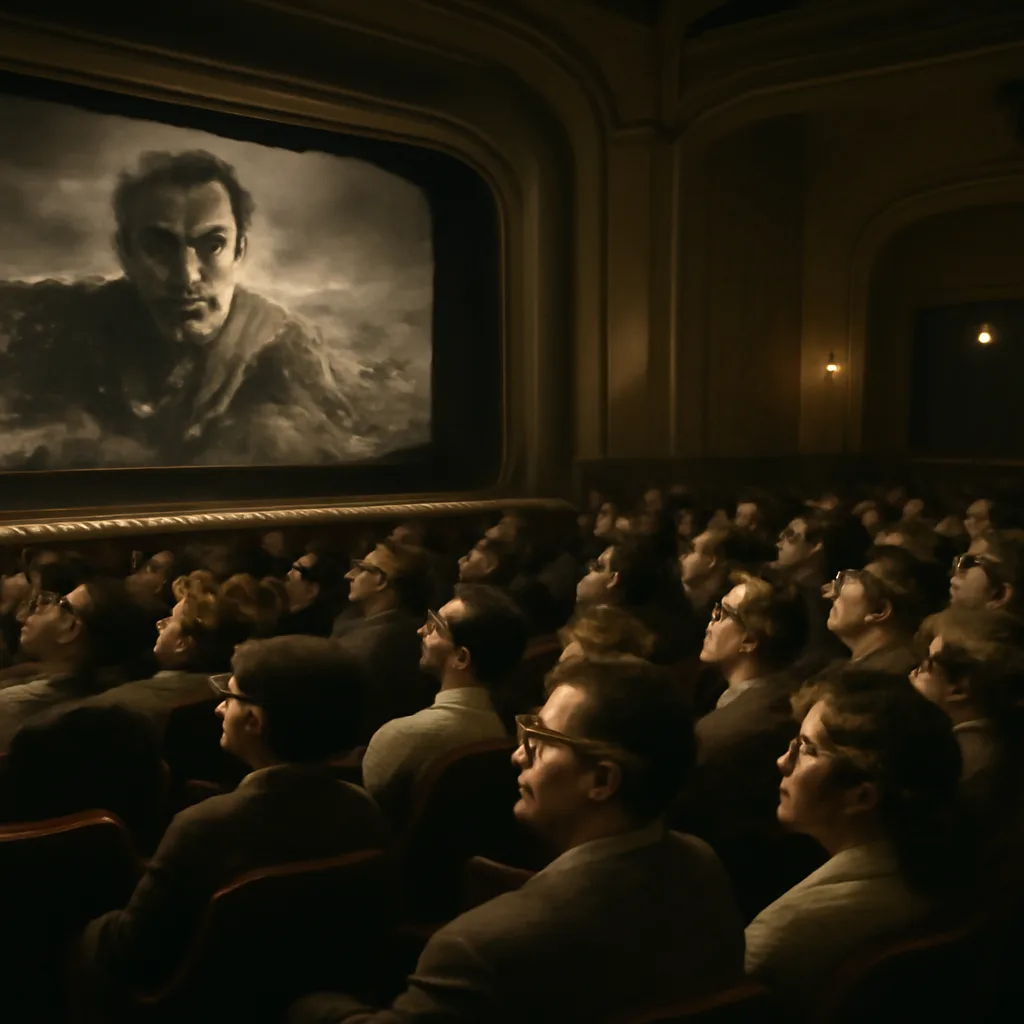
A May 27, 1952 public screening of an early 3D film reportedly triggered panic when audiences reacted negatively to the novel stereoscopic effects; contemporary reports show confusion, discomfort, and disruptions as people adjusted to the new cinematic technique.
Contemporary newspaper accounts and trade publications describe screenings in which viewers experienced dizziness, eye strain, and disorientation as their visual systems adapted to the exaggerated depth cues and imperfect alignment of the projection systems. In some instances, those physiological reactions contributed to audible alarm in the theaters—shouting, crying, and people leaving mid-show. Reports vary by venue: some accounts emphasize widespread nervousness and disorder, while others depict only isolated incidents within otherwise orderly audiences. These differing accounts reflect both local conditions (projection alignment, screen size, and theater seating) and the uneven quality of 3D prints and exhibition standards at the time.
Technical factors help explain why early 3D demonstrations could unsettle audiences. Dual-strip systems required precise synchronization of two projectors; any misalignment or flicker could create double images or sudden shifts in depth that challenged viewers’ binocular vision. Anaglyph prints, which used colored lenses, often produced color distortion and ghosting. Many cinemas lacked staff trained to calibrate and maintain the delicate systems, and early polarizing filters and glasses varied in quality. For patrons unused to stereoscopic imagery, the sudden sense of protruding objects or exaggerated spatial relationships could produce nausea or vertigo.
Social and media contexts shaped how these events were reported and understood. Press accounts sometimes amplified the novelty and drama—framing nervous reactions as panic—while trade journals focused on technical shortcomings and potential remedies. Some commentators treated audience discomfort as a solvable exhibition problem; others questioned whether 3D would ever be a mass-market format. Despite the setbacks, the industry pressed on: studios and exhibitors refined projection techniques, improved eyewear, and developed standards to reduce physiological side effects.
Historians of film technology note that early audience reactions were an important part of the learning curve for stereoscopic cinema. The mixed responses of 1952 did not end interest in 3D, but they did prompt concrete changes in production and exhibition practices. Over the ensuing years, improvements in camera rigs, aligning devices, and projection equipment reduced many of the alignment and flicker issues that had caused the strongest reactions. Nevertheless, the episode on May 27 remains a reminder that major changes in visual media can provoke immediate, sometimes visceral responses from audiences adapting to new sensory experiences.
Because contemporary reports differ in detail and emphasis, certain elements—such as the scale of the disturbance at any single theater—are disputed among sources. What is clear from surviving coverage is that the public screening on May 27, 1952 illustrates both the technological growing pains of early 3D cinema and the ways media and exhibition conditions shaped audience perception of novel film technologies.