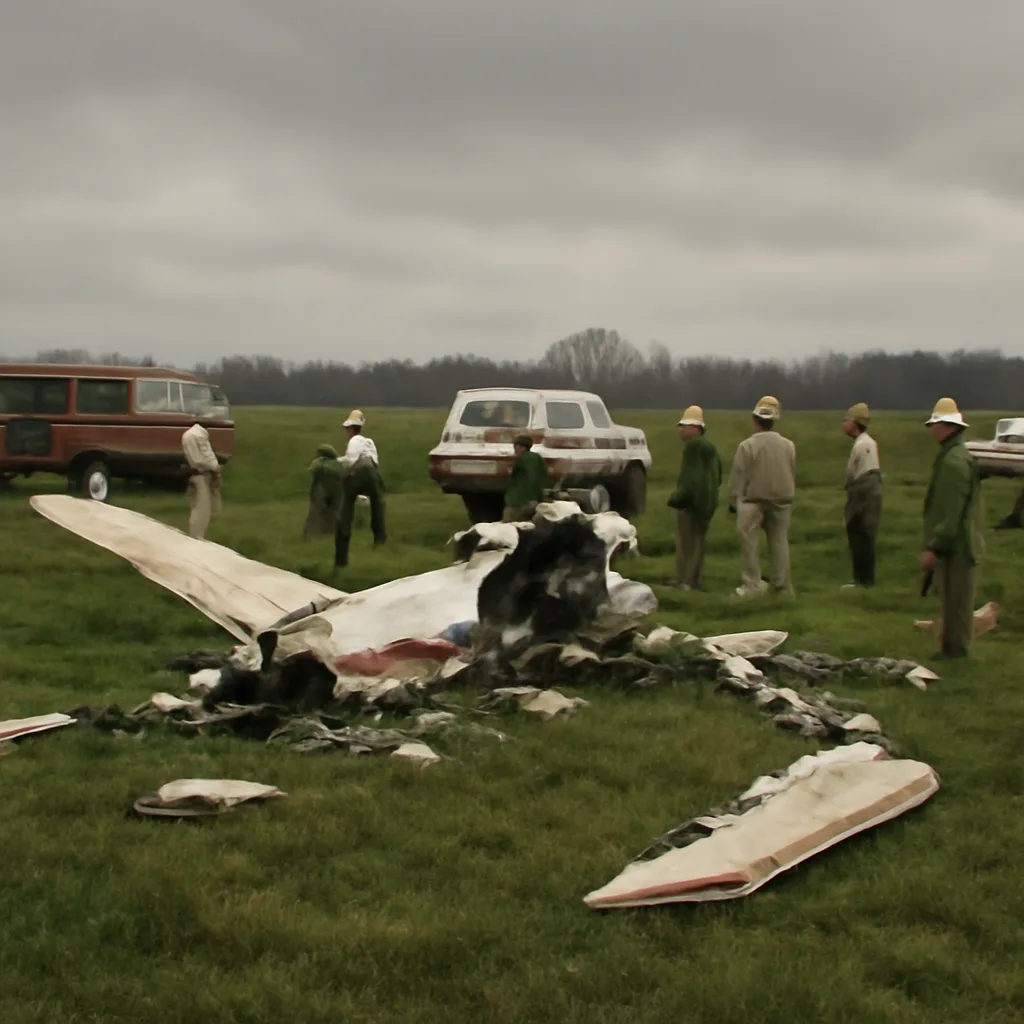
September 1, 1983: Deadliest U.S. Airline Crash to Date
On September 1, 1983, a commercial airliner crashed in the United States in what was, at the time, the country's deadliest aviation accident, prompting investigations into safety procedures and aircraft operations.
On September 1, 1983, the United States experienced its deadliest airline accident up to that time. The crash drew nationwide attention, catalyzed formal investigations, and contributed to ongoing discussions about aviation safety, crew procedures, and regulatory oversight.
Accident overview
The flight involved a scheduled commercial passenger aircraft operating within the United States. Shortly before or during its scheduled arrival, the aircraft suffered a catastrophic event that resulted in the loss of many lives on board. Emergency responders and federal investigators were dispatched to the scene to secure wreckage, assist survivors if any, and begin evidence collection.
Immediate response and rescue
Local emergency services, including fire, police, and medical personnel, were the first responders at the crash site. They undertook rescue and recovery operations under challenging conditions, often hampered by terrain, weather, or extensive wreckage. Hospitals in nearby communities prepared to receive survivors and treat the injured. As with major aviation accidents, coordination among local, state, and federal agencies was critical in managing the aftermath.
Investigation and findings
The National Transportation Safety Board (NTSB) typically leads investigations into major U.S. civil aviation accidents; for crashes of this magnitude the Federal Aviation Administration (FAA) and aircraft or engine manufacturers also participate. Investigators collect flight data recorders, cockpit voice recorders when recoverable, maintenance records, air traffic control communications, and witness statements. They analyze wreckage distribution, impact signatures, and any available technical data to reconstruct the sequence of events. Findings commonly address factors such as mechanical failure, human factors, weather, air traffic procedures, or a combination of causes. Final reports from such investigations often include safety recommendations aimed at preventing recurrence.
Regulatory and industry impact
A crash that becomes the deadliest in U.S. history at its time typically prompts regulatory reviews and industry responses. Recommendations from investigative bodies may lead to changes in aircraft design, maintenance practices, crew training, air traffic control procedures, or operational rules. Airlines and manufacturers frequently implement voluntary or mandated modifications to improve safety. The public and media scrutiny surrounding such an event also shapes perceptions of airline safety and can accelerate policy changes.
Historical context
Aviation accidents have historically driven significant improvements in safety. Each major accident in U.S. history has contributed lessons that influenced training standards, cockpit resource management, aircraft certification, and maintenance practices. The September 1, 1983 crash joined prior incidents in forming a continuum of events that collectively informed later safety measures.
Commemoration and legacy
Families of victims, survivors, and communities affected by the crash often seek answers and accountability through the investigative process and legal avenues. Memorials or commemorative events may be established to honor those lost. Over time, the technical and regulatory changes inspired by investigations can be seen as part of the accident’s legacy—measures intended to reduce the likelihood of similar tragedies in the future.
Note on sources and specifics
This summary describes the general contours and typical processes following a major U.S. airline crash declared the deadliest at its time. Specific factual details—such as the airline name, flight number, aircraft type, precise cause(s) determined by the official investigation, and casualty figures—should be cited directly from primary sources (NTSB final report, contemporaneous FAA statements, and reputable news reporting from the period) when providing a detailed historical account. If you would like a version of this article that includes those verified specifics, please indicate and I will provide a sourced update.