The Football War: Armed Conflict Erupts Between El Salvador and Honduras
On July 14, 1969, amid escalating tensions over land reform, immigration and soccer-related violence, El Salvador and Honduras entered a brief but deadly conflict—commonly called the Football War—that lasted four days and drew regional concern.
Background
Tensions between El Salvador and Honduras had been building for years before July 1969. Longstanding issues included land scarcity in El Salvador, a growing population, and migration of Salvadorans into Honduras. Honduran land reform and registration efforts in the 1960s displaced many Salvadoran migrant farmers or left their land claims unresolved, sparking diplomatic friction and local violence.
Triggering incidents
The immediate spark for wider confrontation coincided with a pair of heated 1970 FIFA World Cup qualifying matches between the two countries in June 1969. Clashes between fans, hostile media rhetoric, and mutual expulsions of diplomats heightened nationalist sentiment on both sides. While football-related violence and nationalist fervor contributed to the crisis’s timing and public perception, historians emphasize that deeper political and economic disputes were the primary drivers of the conflict.
Outbreak of hostilities (14 July 1969)
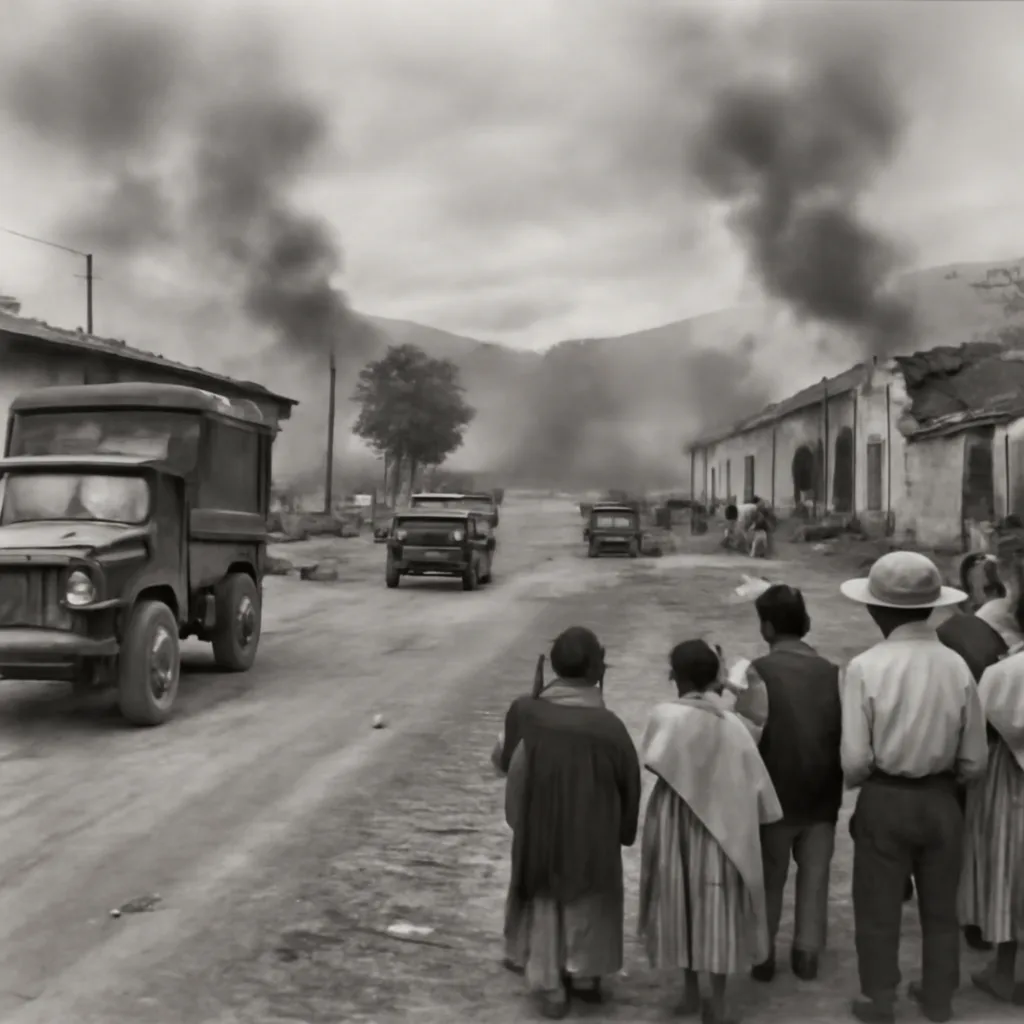
On July 14, 1969, El Salvador launched coordinated military operations against targets in Honduras, marking the start of open warfare. Salvadoran forces, citing attacks on Salvadoran civilians in Honduras and failures of diplomatic remedies, conducted air raids and ground incursions. Honduras mobilized its military in response. The conflict involved aerial bombing, artillery, and conventional ground engagements along the border and in border towns.
Course and consequences
The war was brief but intense. Fighting lasted approximately four days before a ceasefire was negotiated under pressure from the Organization of American States (OAS) and other regional and international actors. Casualty estimates vary; combined military and civilian deaths are generally cited in the low thousands, with tens of thousands displaced. Infrastructure and agriculture in border regions suffered damage, compounding humanitarian needs.
Aftermath and legacy
A formal ceasefire did not immediately resolve the underlying disputes. Troop withdrawals and negotiations followed, and the OAS deployed observers and helped mediate. Diplomatic relations remained strained for years, and a final peace agreement and border adjudication took much longer to achieve. The conflict influenced domestic politics in both countries, accelerated military spending, and contributed to migration flows. Scholars caution against the simplistic label “Football War” as it risks obscuring the conflict’s deeper socioeconomic and political causes.
Historical perspective
Modern historians treat the football matches as catalytic symbolism rather than the root cause. The war is studied as an example of how economic pressures, land reform policies, population movements, and nationalist rhetoric can combine with immediate incidents to produce rapid escalation between neighboring states. Reliable accounts draw on diplomatic records, OAS documentation, contemporary reporting, and subsequent scholarship to place the July 1969 hostilities in broader regional context.