
← Back
01/02/2020 • 6 views

Vatican Grants Scholars Access to Long-Restricted Archives
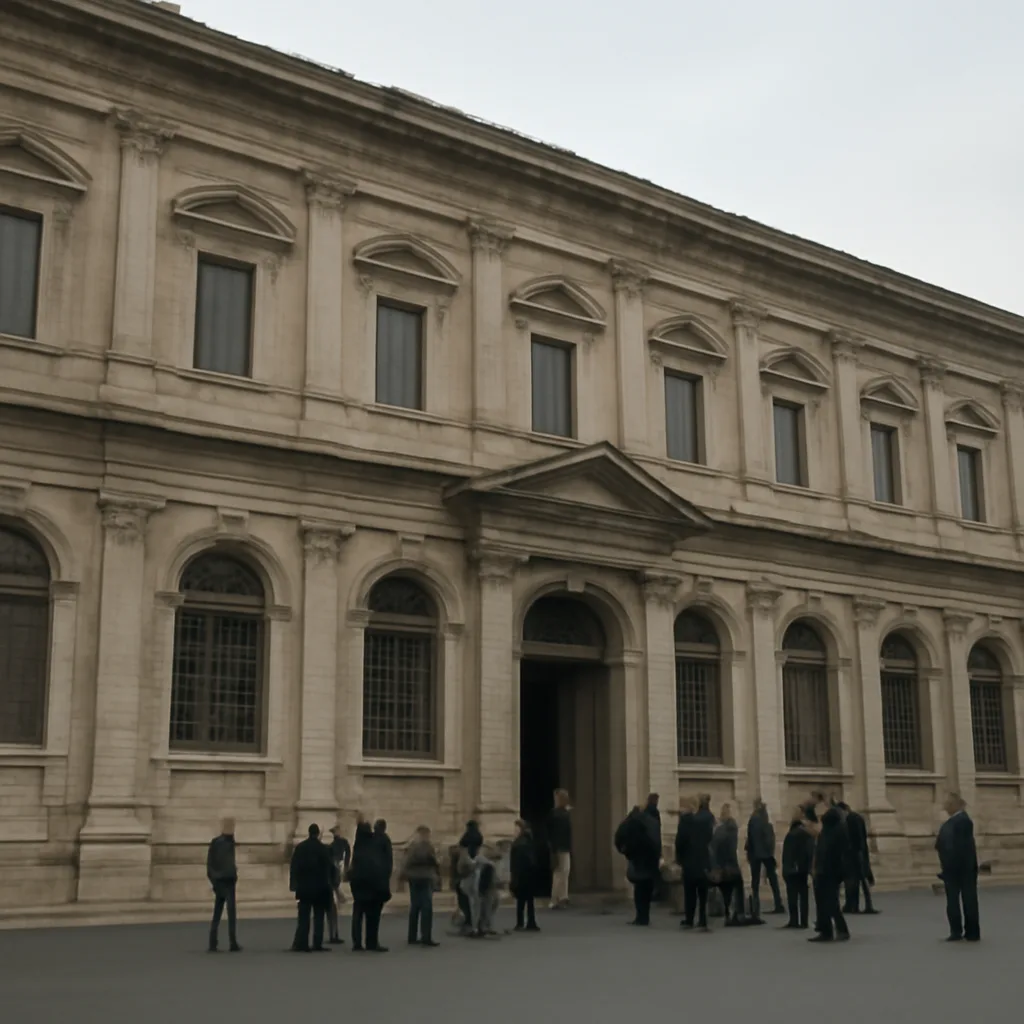
Exterior view of the Apostolic Archive building in Vatican City with classical architecture and visitors near the entrance.

On January 2, 2020, the Vatican opened portions of its Secret Archives to qualified researchers, expanding access to records that scholars say illuminate papal decision-making and Church-state relations across centuries.


On January 2, 2020, the Vatican made a significant change to scholarly access by opening parts of its Apostolic Archive (often still called the Vatican Secret Archives) to a wider cohort of researchers. The move followed decades of incremental increases in access and came amid ongoing scholarly interest in documents related to the modern papacy, diplomatic correspondence, and the Church’s role in political and social developments.

Background and scope
The Apostolic Archive is the central repository for the Holy See’s historical records, containing papal registers, diplomatic dispatches, legal documents, and other records accumulated over centuries. Historically, access was tightly controlled; researchers required letters of introduction, and many files were sealed for extended periods. In recent decades, successive popes and archivists have opened selected series of documents from earlier centuries—for example, making materials from the 19th and early 20th centuries progressively available.

What changed in 2020
On the stated date, the Vatican confirmed expanded access provisions that allowed qualified scholars to consult additional files within defined limits and under supervision. The change did not imply wholesale public release; rather, it adjusted application procedures, reading-room rules, and the categories of files considered consultable by accredited academics. Restrictions remained in place for items involving personal privacy, ongoing diplomatic sensitivities, and materials legally bound by confidentiality.

Scholarly impact
Historians welcomed the development as an opportunity to deepen research on papal policy, Vatican diplomacy, and the Church’s interactions with states and societies—especially for periods where gaps in the documentary record have hindered interpretation. Scholars have used opened files to study topics such as 19th- and 20th-century Church-state relations, missionary activity, and internal curial administration. The availability of archival material supports revision and refinement of existing historical narratives rather than wholesale rewrites in most cases.

Limitations and debates
Opening archives in part does not resolve debates over particular high-profile topics where key records remain sealed or disputed. Access policies continue to balance scholarly inquiry with privacy laws and the Holy See’s diplomatic considerations. Some historians and critics have called for greater transparency, urging the Vatican to release more materials and to clarify criteria for sealing or restricting files. Others caution that archival research requires careful contextualization and that newly available documents must be integrated responsibly with existing evidence.

Administration and preservation
Alongside access changes, the Vatican has invested in archival conservation, cataloguing, and digitization efforts to preserve fragile documents and improve researchers’ ability to locate relevant materials. Digitization initiatives aim to reduce physical handling of delicate items and to facilitate scholarly work, though large-scale digitization of the entire archive remains gradual and selective.

Looking ahead
The 2020 expansion represents a continued trend toward measured openness in the Apostolic Archive. Researchers note that future access will depend on archival policy decisions, ongoing cataloguing work, and negotiations over files touching on sensitive diplomatic or personal matters. For historians of the Church and modern Europe, the incremental opening of Vatican records continues to offer new sources to examine longstanding questions about the interplay between religion, diplomacy, and society.

Sources and verification
This summary is based on public statements and standard scholarly descriptions of the Apostolic Archive’s functions and access policies as known at the time. Specific file-level details, sealed collections, and internal Vatican deliberations are not inventored here; where disputes or uncertainties exist, they are noted as such rather than asserted as fact.

Share this

Email Share on X Facebook Reddit

Did this surprise you?