On this day: August 24
19th-Century Baseball Player Struck and Killed by Lightning During Game
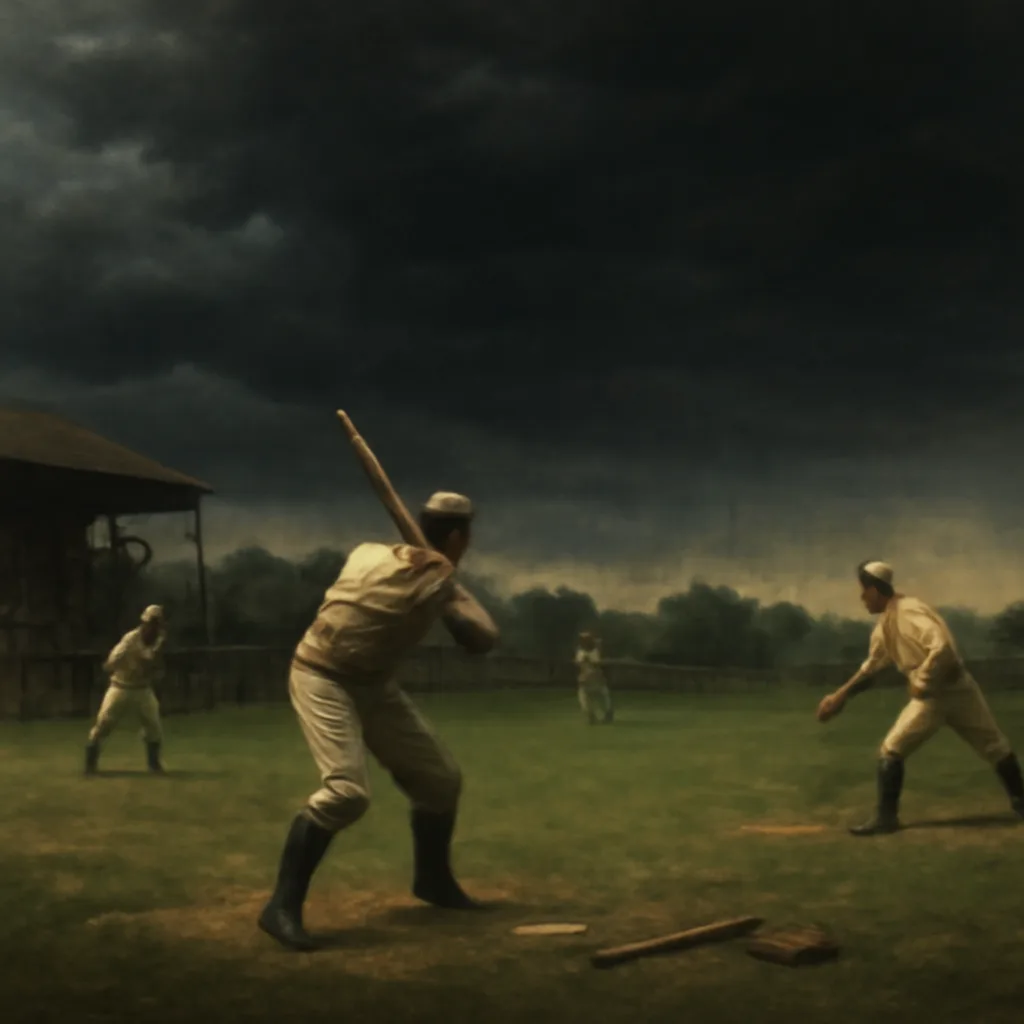
In late August of the 19th century, a baseball player collapsed and died after being struck by lightning during a game. Contemporary reports describe sudden severe weather and frantic attempts to revive him, though exact details and the player's identity are sometimes disputed in surviving accounts.
19th-Century Baseball Player Killed by Lightning During Game
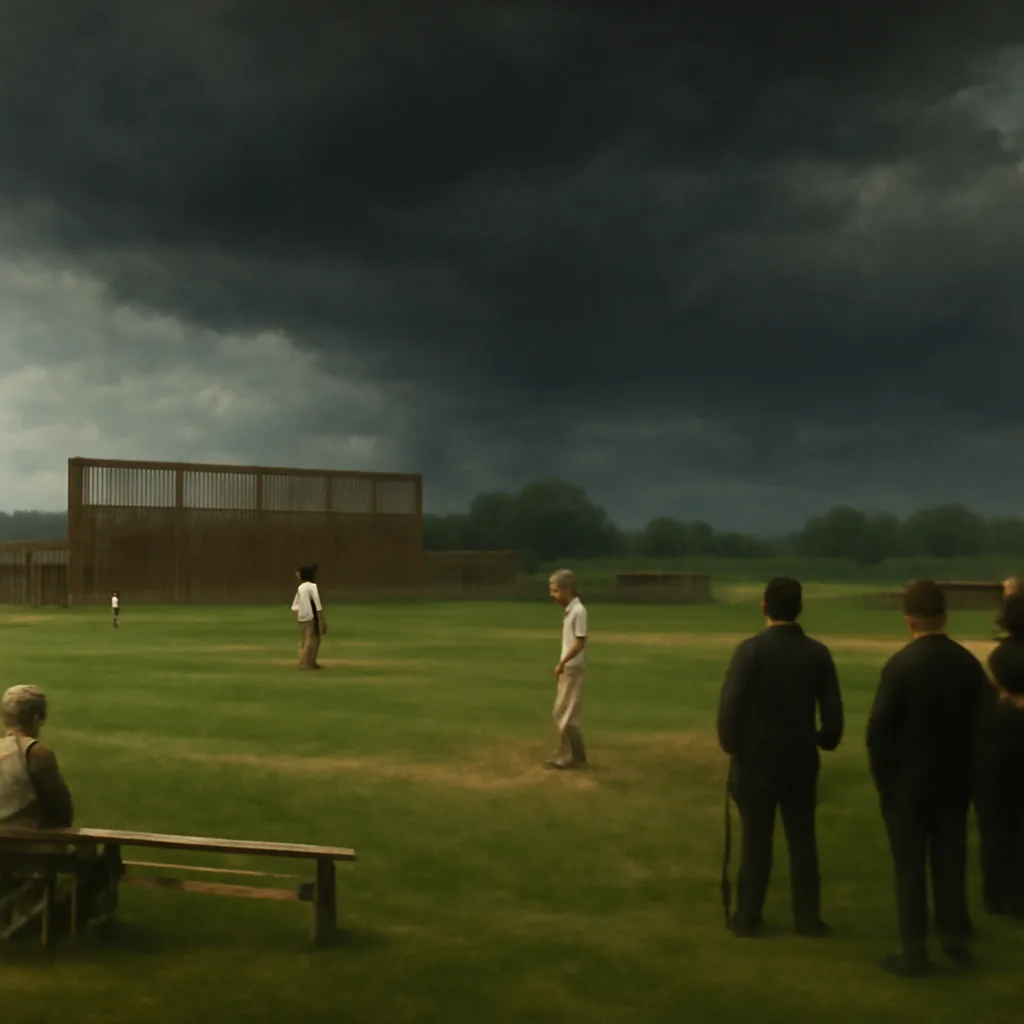
On August 24, 1887, a baseball player collapsed and died after being struck by lightning during a game—an event reported in contemporary newspapers and reflecting the era's limited weather safety for outdoor sports.
Near-Miss: U.S. and USSR Avoid Nuclear Clash During 1983 Air Incident
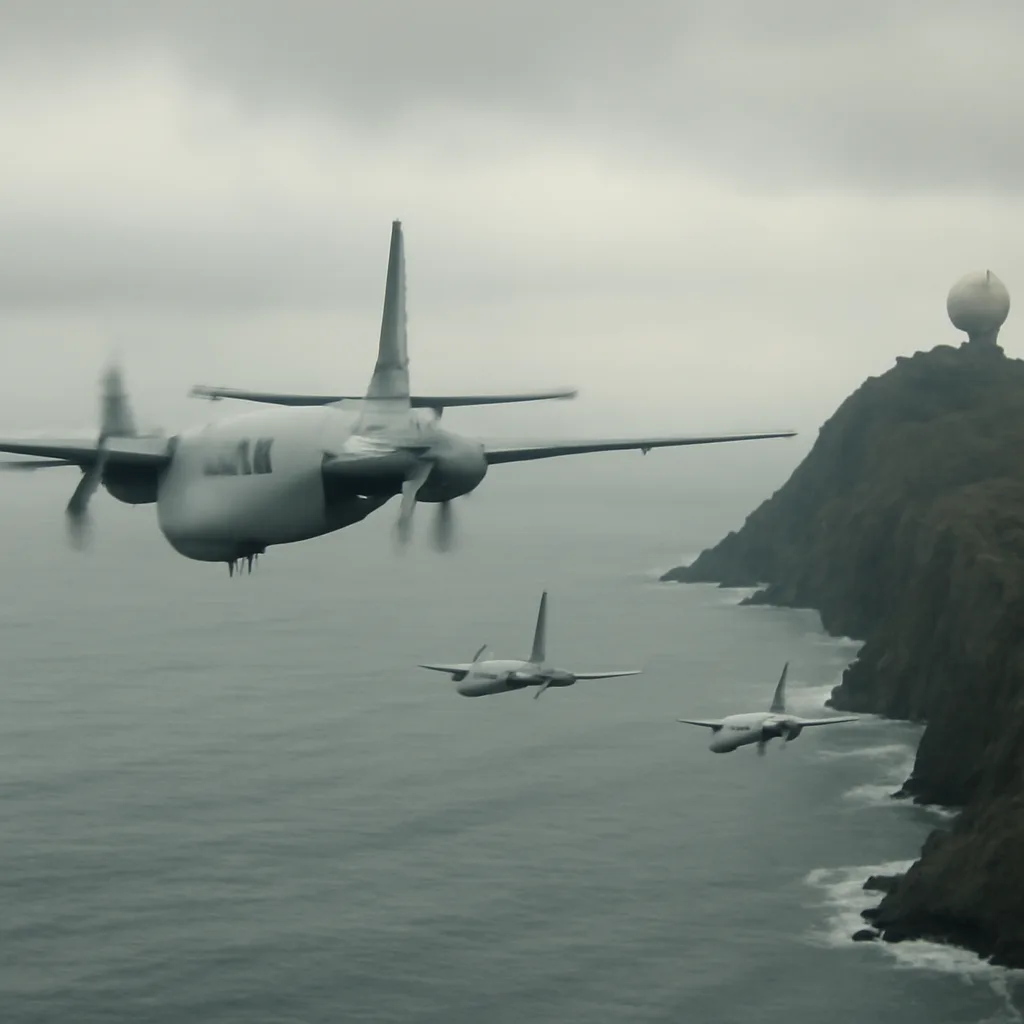
On August 24, 1983, a mishap involving Soviet air defenses and a U.S. reconnaissance aircraft brought Washington and Moscow perilously close to a nuclear confrontation before cooler heads prevailed.
Ted Bundy Executed in Florida Electric Chair, Aug. 24, 1989
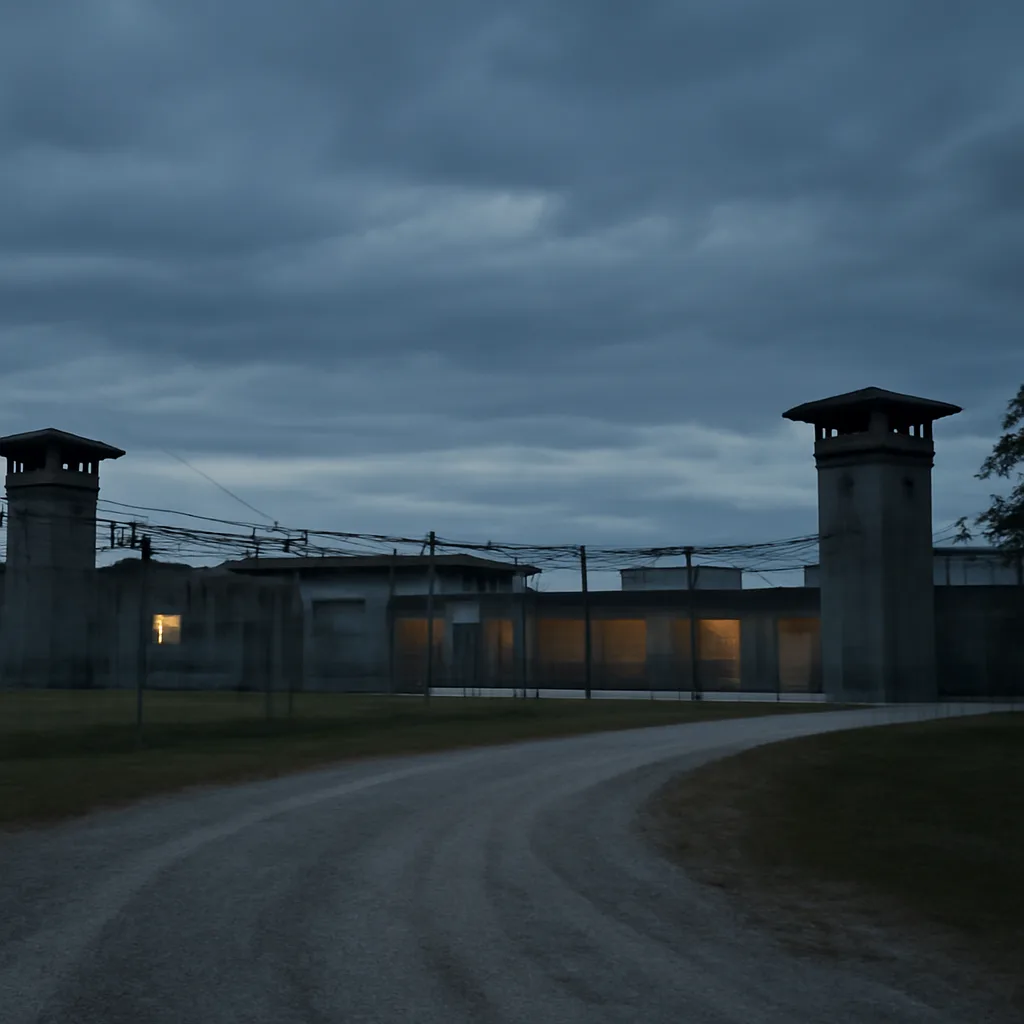
Serial killer Ted Bundy was executed by electrocution at Florida State Prison on August 24, 1989, ending a high-profile legal saga that spanned a decade of trials and appeals for murders across several states.
France Conducts Nuclear Test in the Pacific, August 24, 1968
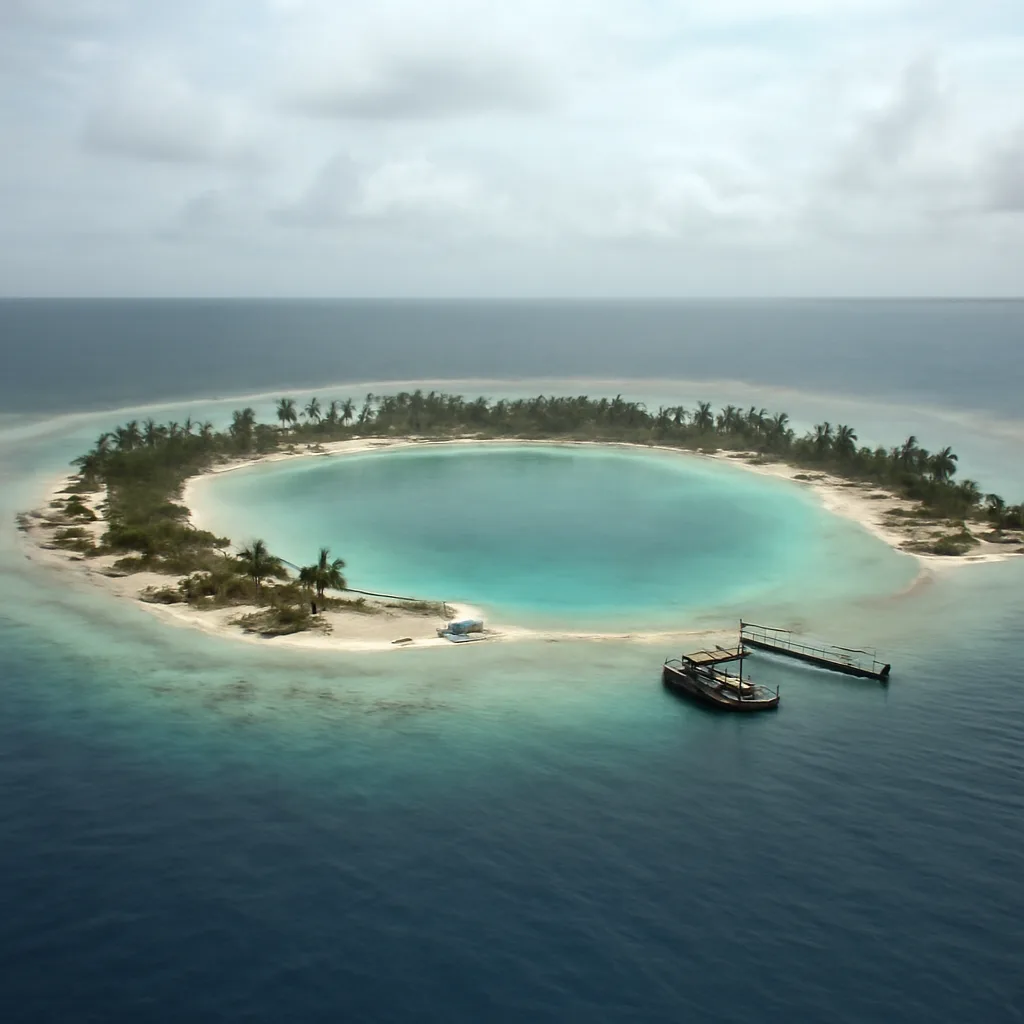
On August 24, 1968, France detonated a nuclear device at the Fangataufa atoll in the Tuamotu archipelago, continuing its series of atmospheric tests in French Polynesia amid international criticism and local concern.
AD 79: Mount Vesuvius Buries Pompeii and Herculaneum
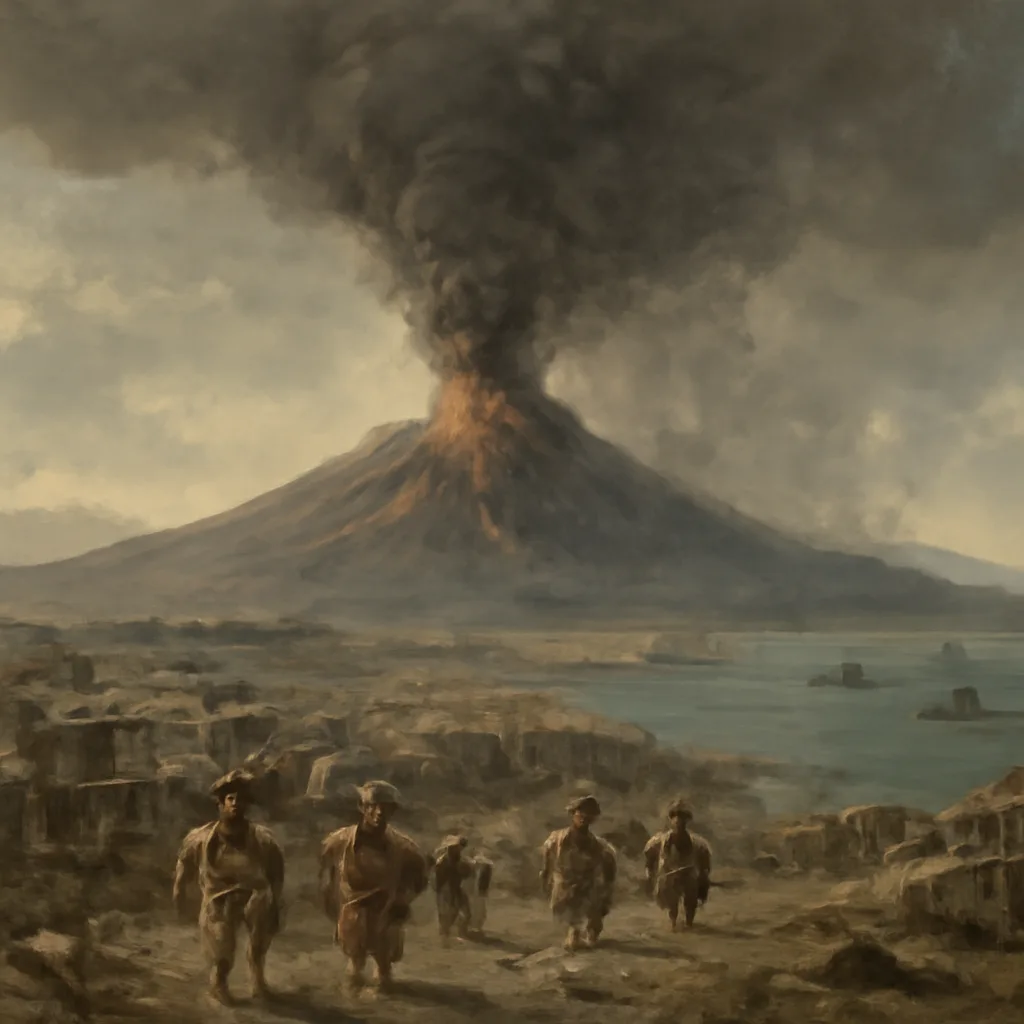
On 24 August AD 79, Mount Vesuvius erupted, sending ash, pumice and pyroclastic flows over nearby Roman towns; Pompeii and Herculaneum were rapidly buried, preserving buildings, objects and human remains beneath volcanic deposits.
British Troops Burn Washington: The White House Set Ablaze, 1814
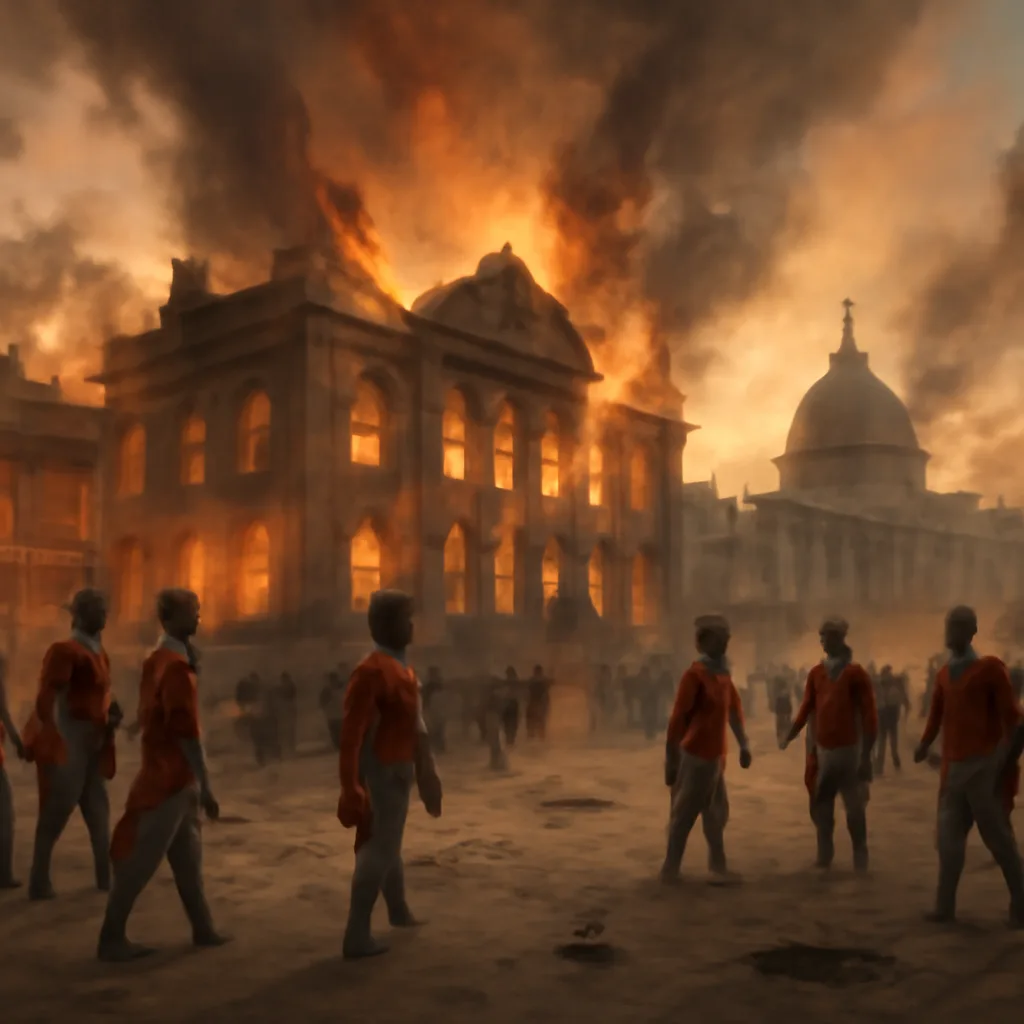
On August 24, 1814, during the War of 1812, British forces captured Washington, D.C., and set fire to the President’s House (later called the White House) and other public buildings, in retaliation for American actions in Canada and attacks on British territories.