On this day: February 25
Man Flees Aggressive Turkeys by Jumping Into Stranger's Car in Ontario

An Ontario man narrowly escaped a pair of aggressive turkeys chasing him by quickly hopping into a stranger’s vehicle — all captured on camera. The bizarre encounter left bystanders stunned and the man relieved to avoid a feathery assault.
The First Confirmed Airship Disappearance Without Wreckage (25 Feb 1872)
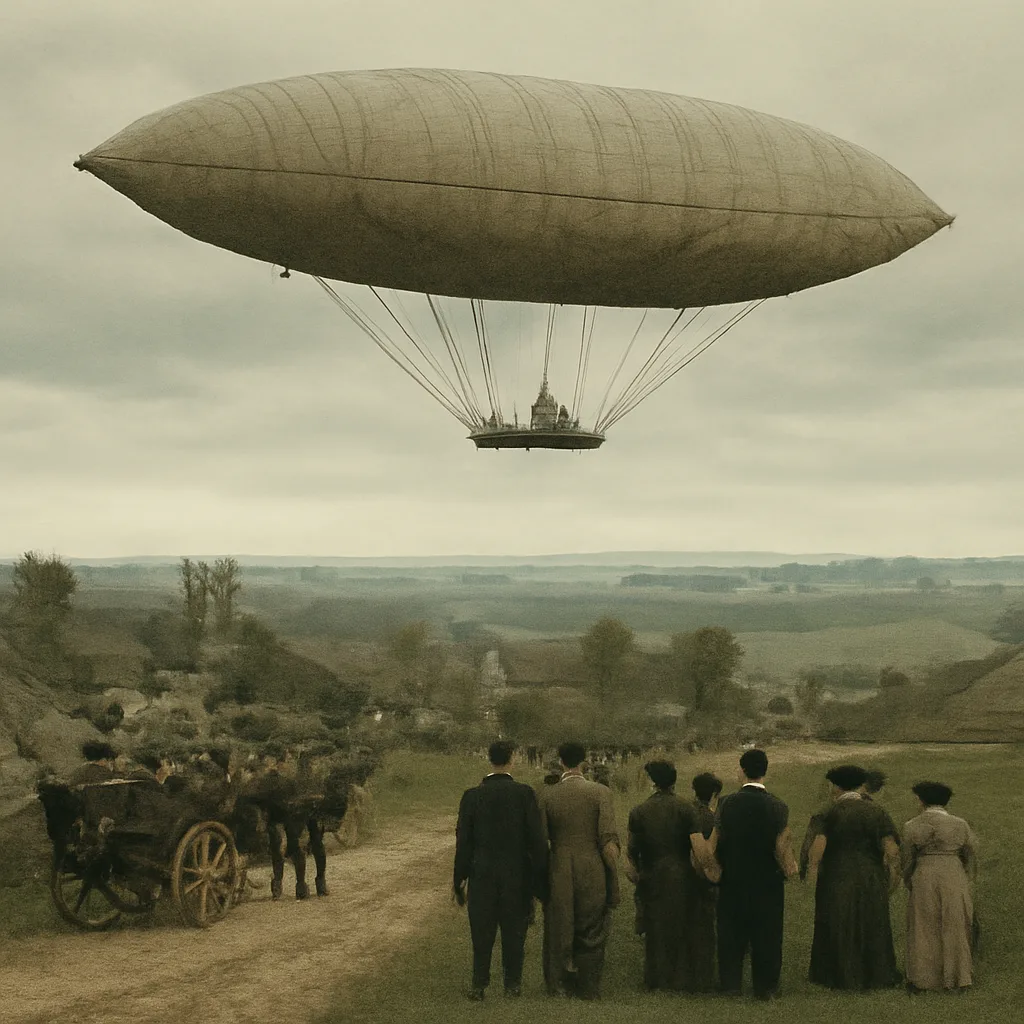
On 25 February 1872, an early experimental airship vanished during a demonstration over England, becoming one of the first recorded cases where observers reported no recoverable wreckage; accounts from the period remain fragmentary and disputed.
Banquet Poisoning in the Gonzaga Court, 1599

On 25 February 1599 a poisoning at a Gonzaga family banquet in Mantua sickened many guests and several sources record fatalities; historians treat details and motives as uncertain and disputed.
The First Confirmed Airship Disappearance Without Wreckage (25 Feb 1872)
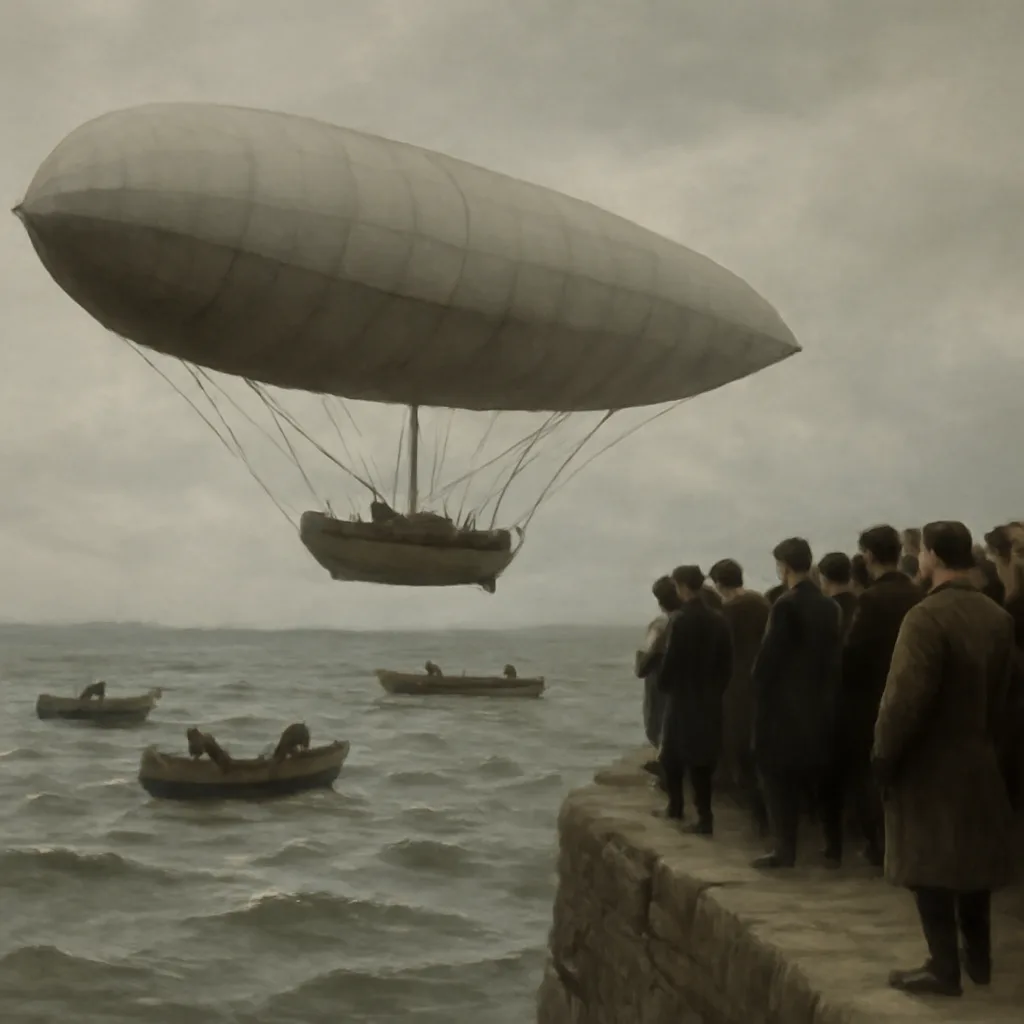
On 25 February 1872 an early experimental airship vanished over the North Sea with no wreckage recovered, marking the earliest documented case of an aircraft disappearance where no remains were found. Contemporary reports and later histories identify this as a notable early mystery in aviation's prehistory.
The earliest recorded mass poisoning at a banquet: the 1599 Gonzaga incident

On February 25, 1599, a banquet in Mantua hosted by the Gonzaga court produced one of the earliest documented mass poisonings in Renaissance Italy, when dozens fell ill after a celebratory meal—accounts differ on intent and the precise number affected.
First documented successful artificial insemination experiment (1790)

On 25 February 1790, British surgeon John Hunter reported a successful insemination in a human subject, marking one of the earliest documented experiments in artificial insemination and sparking scientific and ethical debate in the late 18th century.
A 1599 Banquet Often Cited as the Earliest Recorded Mass Poisoning

Contemporary and later accounts describe a banquet on 25 February 1599 at which multiple guests fell ill after eating; historians debate whether this represents deliberate mass poisoning, accidental contamination, or misattributed causes amid limited evidence.
The Vanishing of the Brigantine Hawaiian Maid, February 25 (1872, date uncertain)

On or about February 25, 1872, the brigantine Hawaiian Maid sailed from Hilo (Hawai‘i) and was later reported missing with no wreck ever found; contemporary accounts mark it as one of the earliest documented disappearances of a ship where no wreckage was located.
The Earliest Recorded Mass Poisoning at a 1599 Banquet

On February 25, 1599, a banquet in late 16th-century Europe is recorded as the first known instance of mass poisoning at a social feast: several guests fell ill and some died after shared food and drink, an event noted in contemporary chronicles and later legal records.
The first documented disappearance of a ship without a wreck: the brigantine Hawaiian Maid, 1872

On 25 February 1872 the American brigantine Hawaiian Maid sailed from San Francisco for Honolulu and vanished without trace; no confirmed wreckage or survivors were ever found, making it one of the earliest well-documented cases of a complete disappearance at sea in the merchant era.
The Disappearance of the Mary Celestia: 25 February 1872
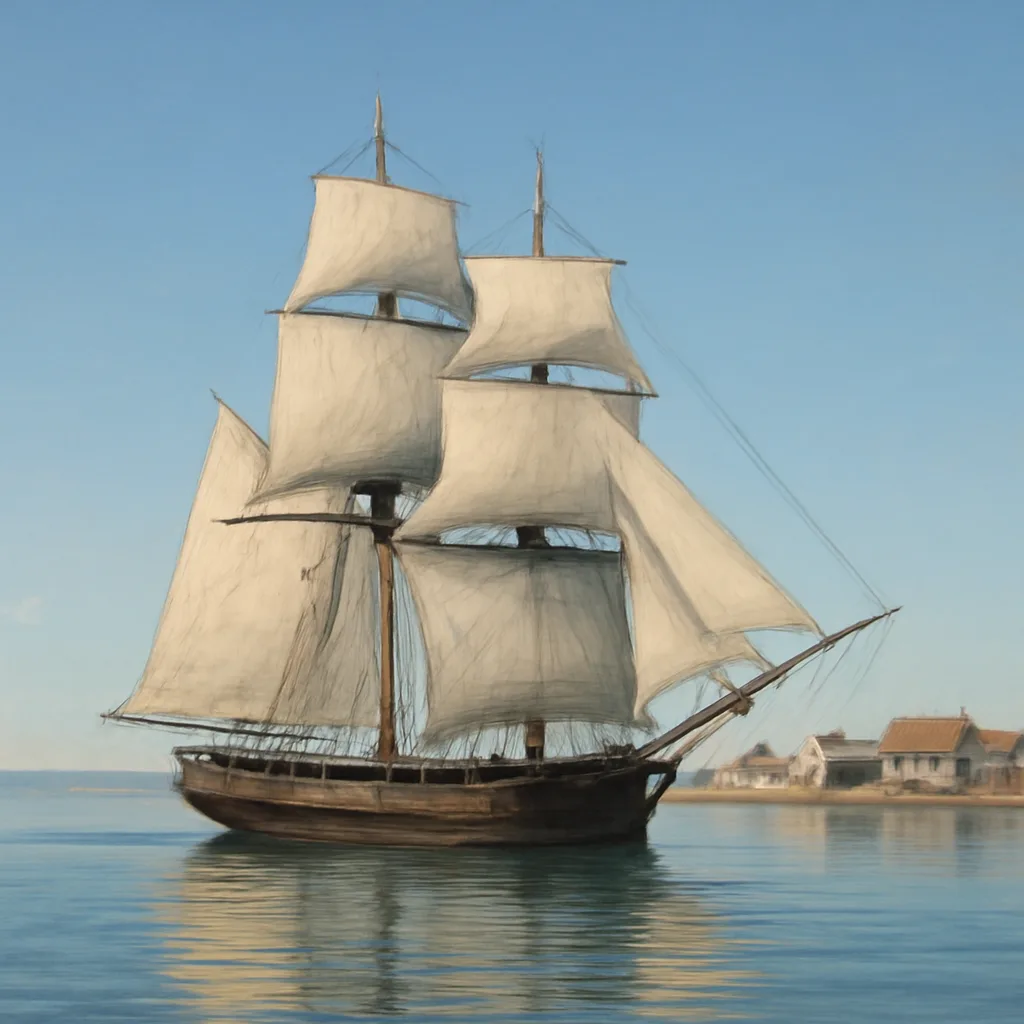
On 25 February 1872 the British brig Mary Celestia (sometimes cited as Mary Celeste in later accounts) left port and was later reported missing after clear-weather sail; this entry summarizes the first documented report of a ship’s unexplained disappearance in fair conditions.
First successful permanent cardiac pacemaker implanted, February 25, 1958

On February 25, 1958, surgeons implanted what is widely recognized as the first successful long-term cardiac pacemaker, establishing a new era in treating heart block and bradyarrhythmias and paving the way for modern cardiac rhythm management.
First successful robotic-assisted surgery performed in 1985
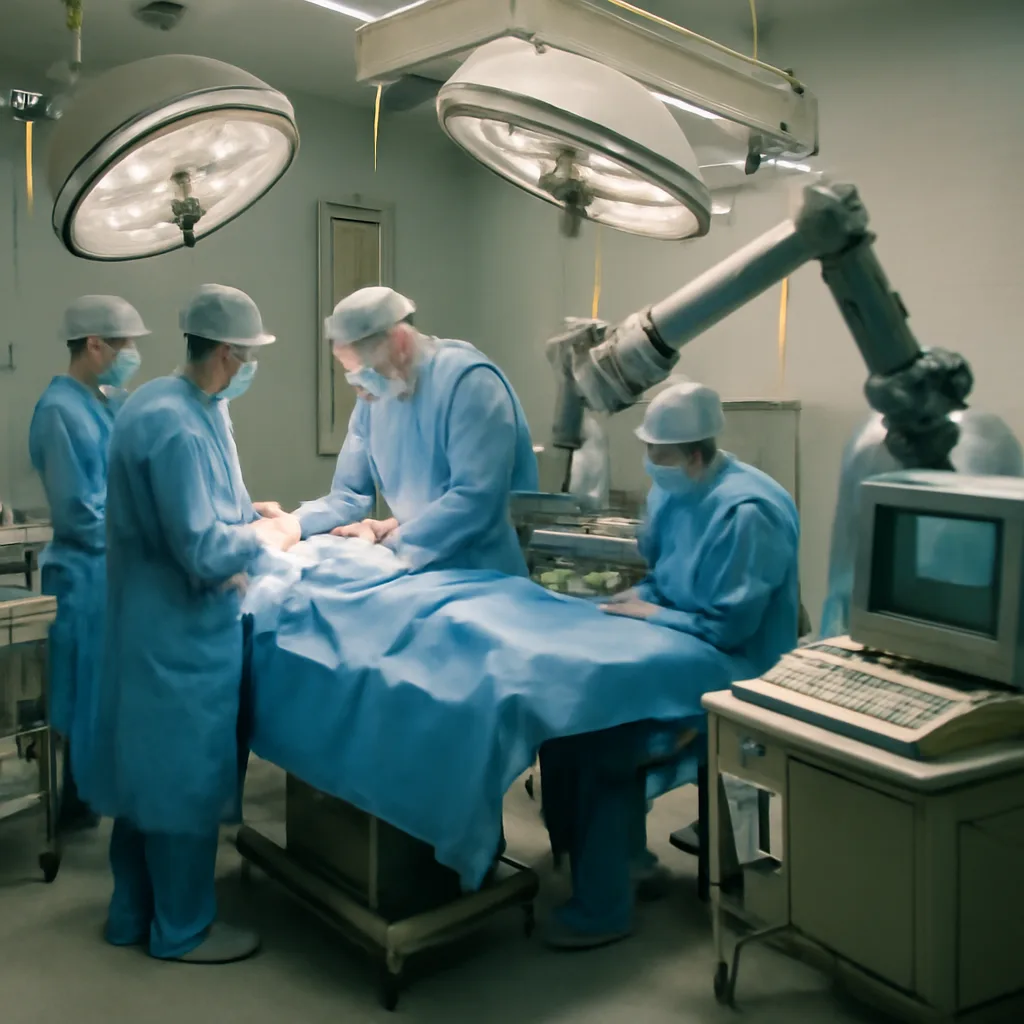
On February 25, 1985, the first documented successful robotic-assisted surgical procedure was performed, marking an early milestone in computer-assisted interventions that would later evolve into modern robotic surgery systems.
First Successful Implant of a Cardiac Pacemaker, February 25, 1958

On February 25, 1958, surgeon Åke Senning and engineer Rune Elmqvist implanted the first successful internal cardiac pacemaker in Stockholm, marking a key milestone in treating heart rhythm disorders.