
10/03/1951 • 4 views
Bobby Thomson’s 1951 Blast Clinches Giants’ Pennant
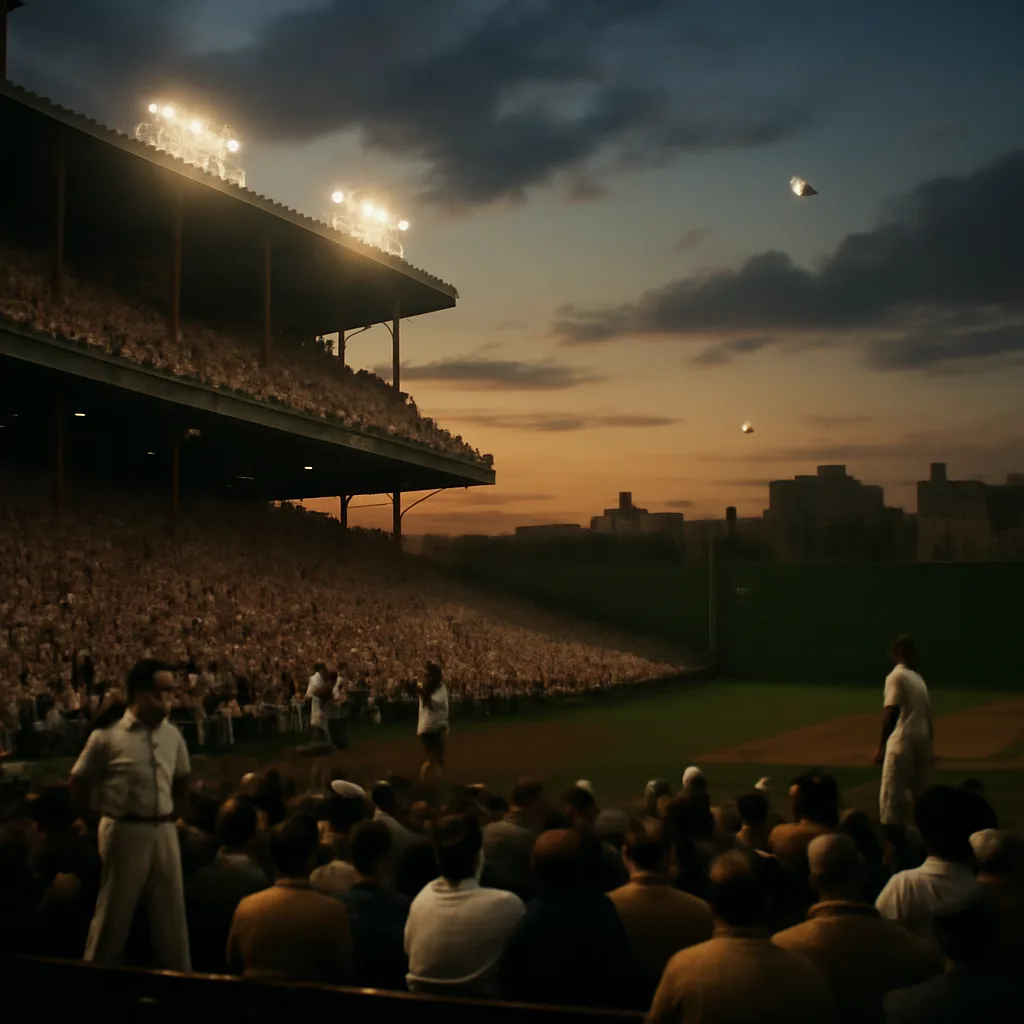
On October 3, 1951, Bobby Thomson’s three-run homer off Ralph Branca — the “Shot Heard ’Round the World” — gave the New York Giants a come-from-behind win over the Brooklyn Dodgers, securing the National League pennant in a best-of-three playoff.
The decisive at-bat came in the bottom of the ninth inning. The Dodgers led 4–1 entering the frame, but the Giants rallied to tie the score at 4–4. With runners on second and third and one out, Bobby Thomson stepped to the plate against Dodgers pitcher Ralph Branca. Thomson hit a high line drive over the left-field wall for a three-run homer, immediately ending the game and giving the Giants a 5–4 victory and the National League pennant.
The home run became instantly famous and widely reported as the "Shot Heard ’Round the World," a phrase that captured both the dramatic impact of the moment and the broad media attention it drew. Radio broadcasters, newspapers and the growing medium of televised highlights amplified the play, making it one of baseball’s most enduring images of clutch performance.
Historically, the game is often framed within the broader context of the intense Giants–Dodgers rivalry and of baseball’s postwar era, when New York City supported three major league teams. The 1951 playoff also highlighted the era’s organizational and competitive structures, including extended schedules, travel by train, and pervasive regional radio coverage that brought the drama into countless homes.
In later decades, the event attracted scrutiny over sign-stealing allegations. Investigations and historical research have indicated that the Giants used a system during the 1951 season to decode opposing catchers’ signs from the outfield using a telescope and relay them to the dugout. Scholars and journalists have debated how much, if at all, this system directly affected specific games or the playoff outcome. While evidence supports that sign-stealing occurred during the regular season, historians note that direct proof tying that system to Thomson’s pennant-winning home run is inconclusive and remains a point of discussion among researchers.
Regardless of those debates, Thomson’s home run stands as a pivotal moment in baseball history: a sudden, dramatic ending to a heated city rivalry and a defining image of clutch play. The play influenced how postseason drama is remembered and narrated, contributing to baseball’s mythos in mid-20th-century America. Memorabilia, film clips, and contemporary accounts preserved the moment, and it continues to be revisited in histories of the sport.
The 1951 pennant-clinching homer also had personal consequences for the players involved. For Thomson it became the signature achievement of his career; for Branca it was an enduring, painful moment etched into baseball lore. Over time both players were the subject of interviews and retrospectives that explored the human side of that split-second outcome.
As a historical event, the 1951 pennant-deciding home run combines clear, documented facts — the date, location, teams, and play sequence — with interpretive questions about the season’s context and competitive practices. Those layers have contributed to the event’s lasting place in sports history and public memory.