
← Back
02/01/1972 • 5 views

FBI Admits Undercover Infiltration of 1970s Anti‑War Groups
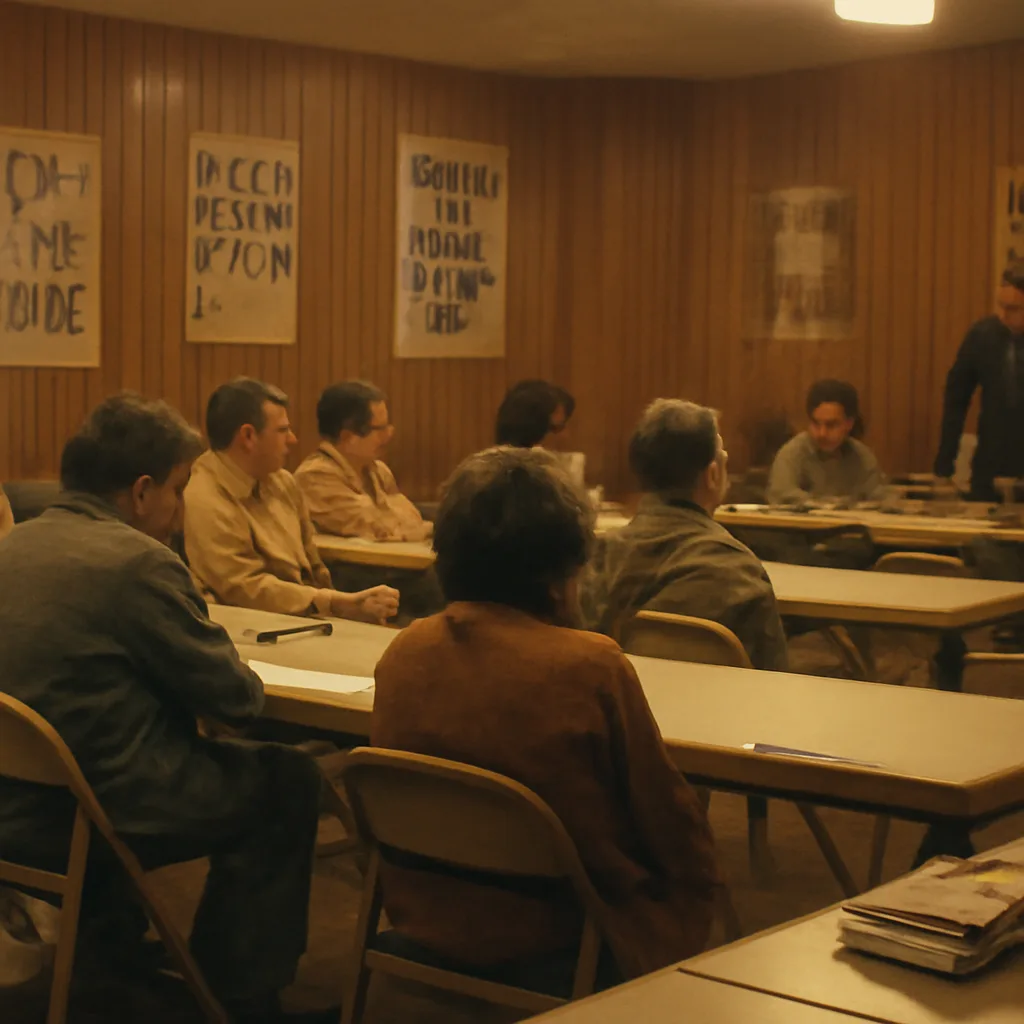
A 1970s protest meeting in a dimly lit community hall with people seated in folding chairs and posters opposing the Vietnam War on the walls; no identifiable faces.

In February 1972 the FBI confirmed that agents and informants had been placed inside U.S. anti‑war organizations during the late 1960s and early 1970s, a disclosure that intensified debates over domestic surveillance and civil liberties.


In early February 1972 the Federal Bureau of Investigation publicly acknowledged that it had systematically placed agents and confidential informants inside anti‑war and radical political groups during the late 1960s and early 1970s. The admission followed years of investigative reporting, congressional inquiries, and court cases that brought the bureau’s domestic intelligence activities into the spotlight.

Background: The disclosure occurred against a backdrop of widespread protest over the Vietnam War, rising political polarization, and concern within law enforcement about violence and unrest. During that period the FBI’s domestic counterintelligence program—known as COINTELPRO—targeted a range of organizations it deemed subversive, including civil‑rights groups, socialist organizations, and groups opposing U.S. foreign policy. COINTELPRO’s stated aim was to disrupt and neutralize domestic political movements the bureau considered threats to national security or public order.

What was confirmed: The FBI’s statements in February 1972 confirmed the use of undercover agents and paid informants to gather intelligence inside anti‑war organizations. Those placements were used to monitor meetings, report on planning and leadership, and, according to later investigations and court findings, to feed information that could facilitate arrests or prosecutions. The bureau also acknowledged using techniques such as mail openings, wiretaps in some cases, and creation of false documents intended to discredit or disrupt targets.

Legal and political fallout: The revelation contributed to growing concern in Congress and among civil‑liberties advocates about the scope and legality of domestic surveillance. It helped catalyze a series of congressional investigations in the early 1970s, including the Senate’s Church Committee (1975–76), which documented abuses and led to reforms designed to increase oversight of intelligence activities. Judicial rulings and new regulations in the mid‑1970s imposed limitations on warrantless surveillance and established procedures for domestic intelligence collection.

Impact on movements and public trust: Activists and community leaders said infiltration eroded trust within movements and between activists and the broader public. The presence of informants and undercover agents led to paranoia, factionalism, and in some cases the exposure of plans or identities that activists considered private. For critics, the FBI’s tactics represented an overreach that interfered with lawful political dissent; for some law‑enforcement officials, the methods were defended as necessary to prevent violence and protect public safety.

Historical assessments: Subsequent historical and legal scholarship has treated the FBI’s counterintelligence program as a mix of intelligence gathering, politically motivated interference, and in several documented instances, illegal activity. While some FBI actions were later justified within case files as preventive, other documented practices—such as COINTELPRO’s efforts to discredit or destabilize organizations—were widely condemned. Reforms after the mid‑1970s sought to balance investigative needs with constitutional protections, though debates over surveillance and oversight continued in later decades.

Uncertainties and disputes: Precise numbers of undercover placements, the full extent of activities, and the internal deliberations that led to particular operations remain subjects of ongoing archival research and legal disclosure. Public records, congressional reports, and declassified documents provide the basis for the accepted account, but scholars note gaps where records were destroyed or remain classified.

Legacy: The 1972 confirmation was a notable moment in a broader 1970s reckoning over intelligence practices in the United States. It shaped later statutory and institutional reforms intended to prevent unchecked domestic surveillance and remains a reference point in contemporary discussions about the balance between security and civil liberties.

Share this

Email Share on X Facebook Reddit

Did this surprise you?