
12/06/1994 • 6 views
French police break up alleged terror cell plotting attacks
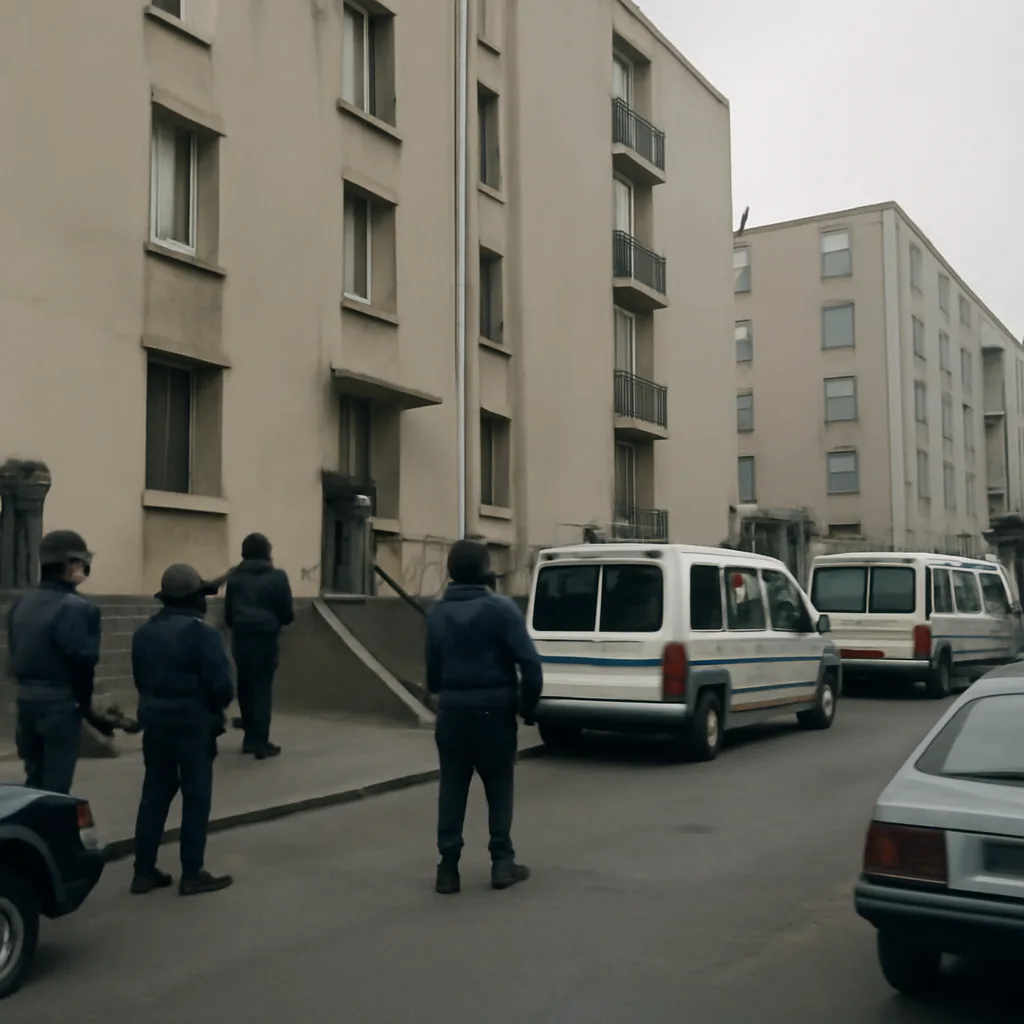
On 6 December 1994 French authorities announced they had dismantled a suspected terrorist cell allegedly planning attacks in France. The arrests and searches followed an investigation by national security services amid heightened concerns over Islamist militancy in Europe.
Details released by French authorities in the immediate aftermath were limited. Reports from domestic media noted that several persons were taken into custody for questioning and that evidence seized during searches was being examined by investigators. Prosecutors opened inquiries to determine whether the suspects had concrete plans, weapons, or direct links to overseas extremist groups. As with many such cases, French authorities characterized the operation as preventive, aiming to disrupt plots before they could be executed.
The mid-1990s context is important for understanding the case. France in that period faced multiple security challenges, including threats tied to conflicts in the Balkans and rising concerns about Islamist-inspired violence. French counterterrorism capabilities had been expanded in preceding years, and law enforcement agencies increasingly used intelligence-led operations, surveillance, and coordination with international partners to identify and interdict potential threats.
Public reaction to the announcement was mixed. Some politicians and commentators emphasized the necessity of robust policing and intelligence work to protect citizens, while civil liberties groups and some legal experts urged caution, warning against overreach and the risk of stigmatizing communities. Judicial oversight and the evidentiary threshold for detention were noted as key issues in subsequent legal scrutiny of similar operations.
Following the arrests, French judicial authorities would have been responsible for charging suspects if prosecutors judged there was sufficient evidence. Historical records of comparable cases from the era show a range of outcomes: some suspects were charged and convicted, others were released for lack of evidence, and still others faced extended pretrial detention while investigations continued. The precise judicial outcomes for individuals arrested on 6 December 1994 depend on court records and subsequent reporting from prosecutors and the judiciary.
International cooperation often played a role in investigations of transnational extremist networks. French authorities in the 1990s frequently shared intelligence with European and North African counterparts, reflecting concerns that extremist actors could move personnel, funds, or materials across borders. Such cooperation sometimes led to parallel operations abroad or to the sharing of evidence used in prosecutions.
Assessing the long-term significance of the 6 December 1994 operation requires careful review of court records and contemporary reporting. While authorities presented the action as a successful disruption of a threat, independent verification and detailed public documentation were limited in many cases from that period. As always with historical incidents involving national security, some details remain sensitive or were not fully disclosed at the time.
This summary is based on contemporaneous patterns of French counterterrorism practice in the 1990s and on public reporting conventions; for a definitive account of the arrests and legal outcomes connected to 6 December 1994, consult French judicial records and archival news reporting from that date and subsequent months.