
01/24/2010 • 5 views
Man Rescued After 12 Days Trapped Under Rubble
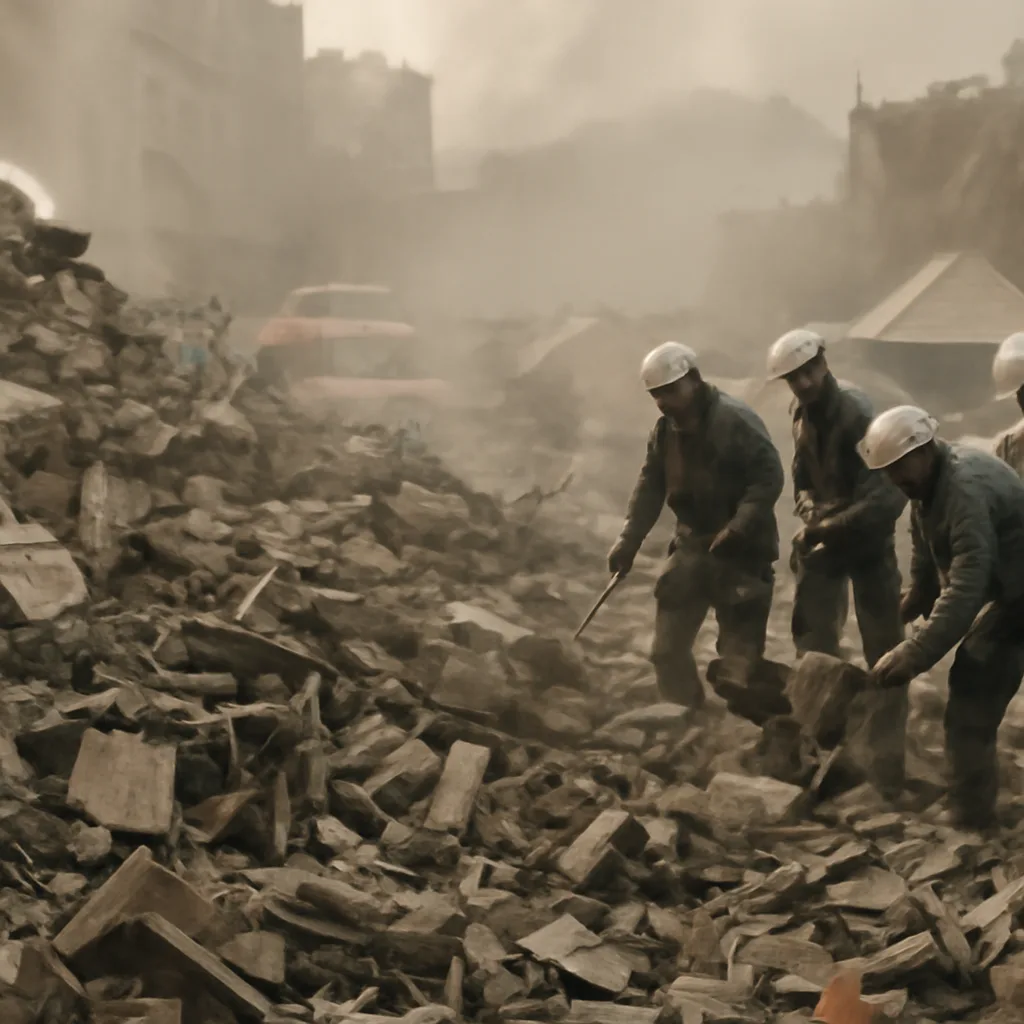
A man was rescued alive after being trapped beneath collapsed building debris for 12 days following the earthquake on January 24, 2010; the survival drew international attention and highlighted gaps in emergency response and urban search-and-rescue capabilities.
Survival beneath collapsed structures depends on multiple factors: the nature of the injuries sustained at the time of collapse, the availability of an air pocket, access to water, temperature, and the ability of rescuers to locate and reach victims. In this instance, as with comparable cases from past quakes, the survivor’s conscious state, trapped position, and any improvised protection from falling debris would have influenced his chances. Prolonged entrapment often leads to dehydration, infection, and complications such as crush syndrome when heavy loads are finally removed, which is why careful medical extraction and treatment are critical.
Search-and-rescue teams typically rely on visual spotting, voice detection, rescue dogs, listening devices and specialized equipment like seismic sensors and fiber-optic probes to find people under rubble. International and local teams often coordinate during large disasters; however, logistical challenges—including damaged roads, aftershocks, limited equipment and overwhelmed hospitals—can delay operations. Reports of a 12-day survival likely reflect a combination of delayed access and the survivor’s fortunate circumstances.
Media coverage of long-term entrapments tends to highlight both the dramatic human story and systemic issues revealed by the disaster. Such rescues draw public attention to the need for stronger building codes, better urban planning, more robust emergency preparedness and investment in rapid-response capabilities. They also raise ethical and operational questions about resource allocation when many people remain missing or trapped after a major quake.
Medical teams attending survivors rescued after prolonged entrapment must assess for dehydration, hypothermia, infections, and crush injuries. Crush syndrome—caused by muscle breakdown and the release of toxins into the bloodstream when pressure is relieved—can be life-threatening; modern protocols include intravenous fluids and controlled reperfusion to mitigate these effects. Rehabilitation after such ordeals can be lengthy, addressing both physical recovery and psychological trauma.
While individual survival stories can inspire hope, they are statistical outliers in the context of high-fatality earthquakes. Accurate reporting should avoid overemphasis on rare rescues at the expense of conveying the broader human and infrastructural impacts. Independent verification from rescue agencies, medical facilities or official statements is important for confirming details of any specific case, including how the person was found, their medical condition on rescue, and subsequent outcomes.
This case—of a man found alive after 12 days under rubble following the January 24, 2010 earthquake—illustrates the intersection of luck, human endurance and the capabilities and constraints of disaster response systems. It also serves as a reminder of the ongoing need to improve preparedness, rapid search-and-rescue capacity and post-rescue medical care in earthquake-prone regions.