
06/01/1940 • 5 views
Television Network WNBT Begins Regular Programming in New York
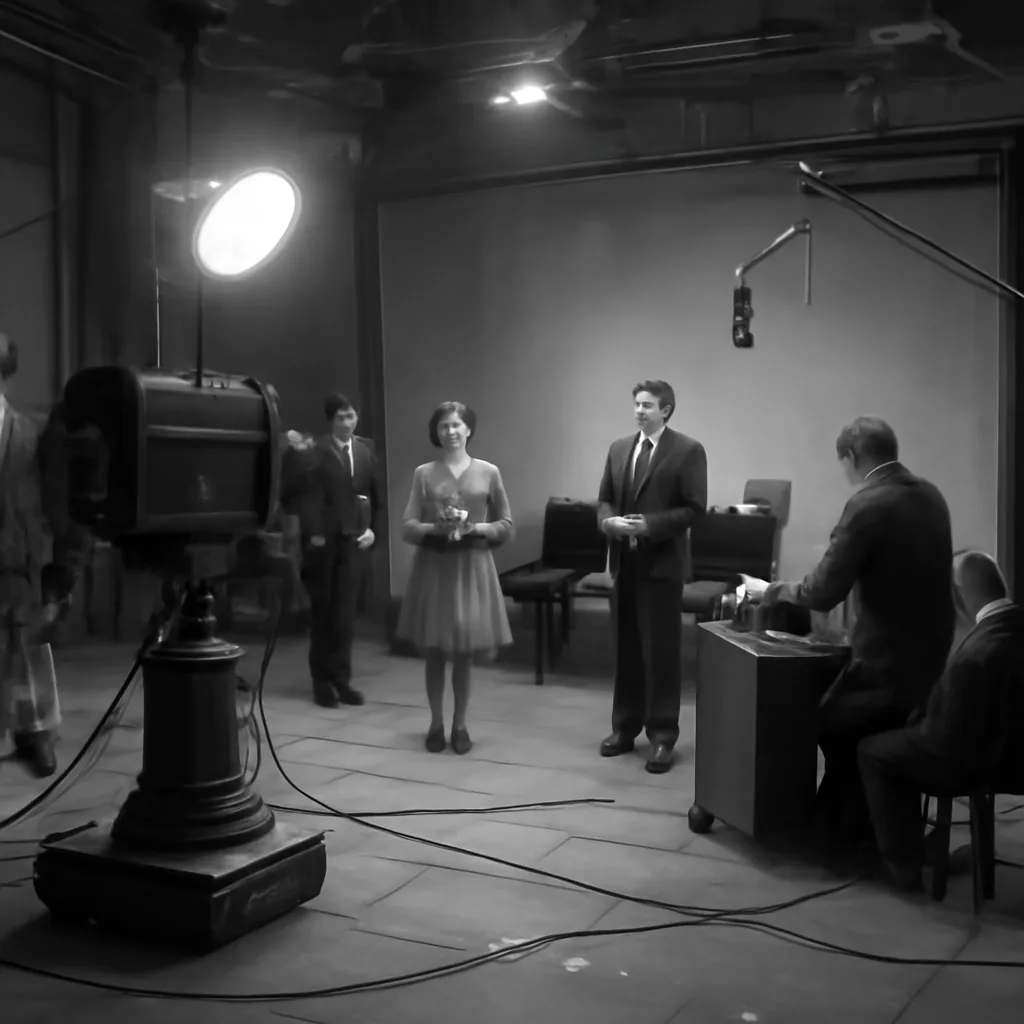
On June 1, 1940, WNBT (now WNBC) in New York City began scheduled commercial television programming, marking a key early step in the establishment of modern broadcast television in the United States.
Background
Television in the 1930s progressed from experimental demonstrations to limited public broadcasts. RCA, which had been developing electronic television technology since the late 1920s and through its 1939 New York World's Fair demonstrations, moved to establish a scheduled service to reach an emerging audience of television set owners and to demonstrate the medium's potential as a mass broadcast platform. The Federal Communications Commission (FCC) had been working on standards and licensing, and several stations in major U.S. cities were conducting trial transmissions.
The June 1, 1940 Launch
WNBT (call letters later changed to WNBC) initiated a schedule that included a mix of short entertainment pieces, musical performances, newsreel-style items, and commercial announcements. Programming durations and technical quality reflected the limitations of early mechanical and electronic systems: broadcasts were in black-and-white, transmitted to a small number of receivers in the New York area, and had modest resolution and range compared with later television.
Importance and Context
This launch did not create a nationwide television network in the modern sense immediately—television infrastructure, receiver penetration, and network interconnection were still nascent. Instead, WNBT’s regular programming was important for several reasons: it demonstrated that scheduled television could operate as a commercial service; it provided content and technical experience that would inform later network formation; and it helped stimulate public and industry interest in television as a household medium. RCA and NBC’s activities in New York contributed to setting early programming and technical practices that other stations and networks would adopt in the postwar era.
Limitations and Subsequent Developments
Audience reach in 1940 was limited. Few households owned television sets, and the FCC had not yet finalized all technical allocations that would shape postwar expansion. World War II would further constrain growth as component production and civilian broadcasting were curtailed. After the war, however, television expanded rapidly: commercial networks developed coast-to-coast feeds, programming diversified, and receiver ownership grew into the mass market. WNBT’s 1940 scheduled broadcasts are therefore best seen as an early, formative moment rather than the final establishment of the modern national network system.
Historical Note on Sources and Terminology
Contemporary accounts, company records, and later histories of broadcasting identify WNBT’s June 1940 activities as among the first instances of scheduled commercial television broadcasting in the United States. Exact program schedules and technical parameters are documented in period trade publications and RCA/NBC archives; historians note distinctions among experimental transmissions, limited scheduled services, and the broader network structures that emerged after World War II. Where historians disagree about labeling any single 1940 service as the definitive “first modern network,” the significance of WNBT’s regular programming in New York is widely acknowledged as an early and influential milestone.