
← Back
12/13/2003 • 6 views

U.S. Forces Capture Saddam Hussein in Iraq
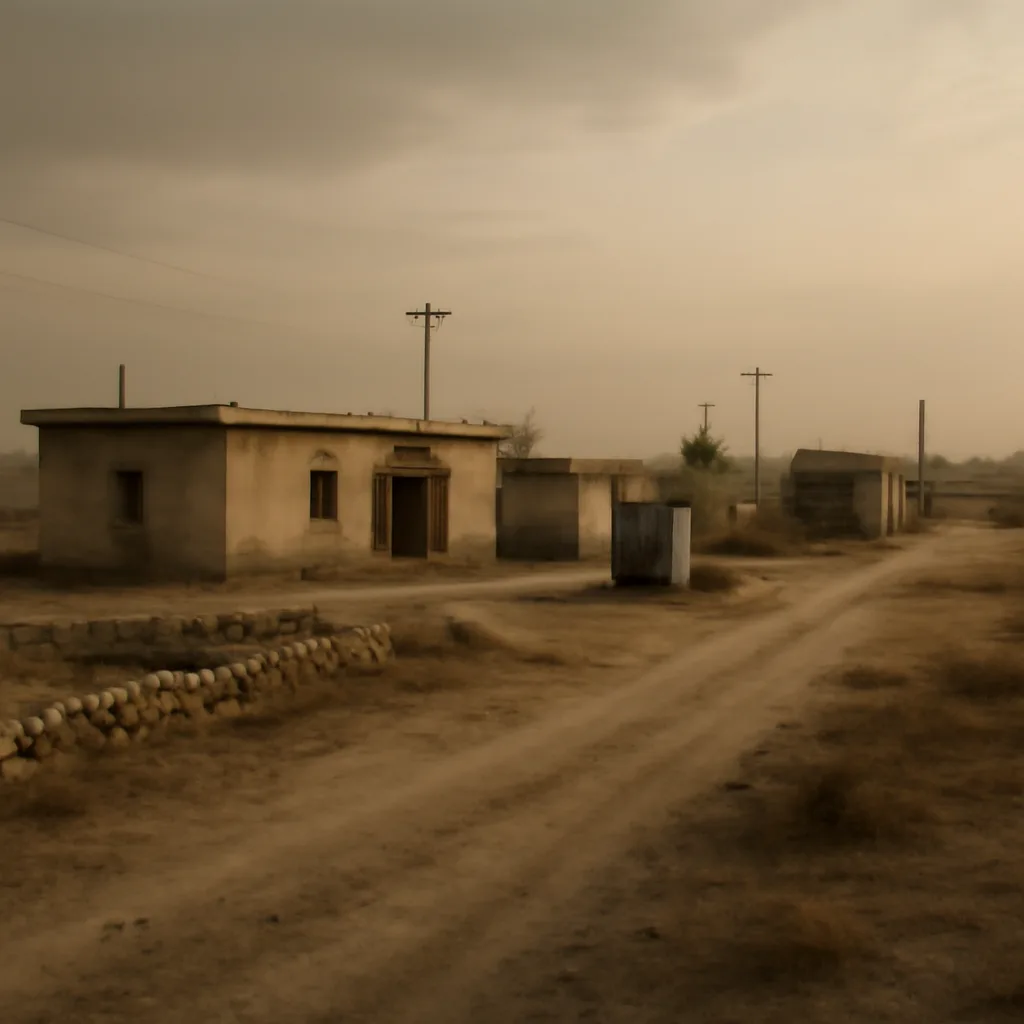
Rural Iraqi landscape near Tikrit with modest concrete buildings and a field; scene showing a simple, low-profile house and surrounding terrain where a hidden underground bunker might be located, no identifiable people.

On December 13, 2003, U.S. military forces captured former Iraqi president Saddam Hussein near his hometown of Tikrit, ending months of searching for the deposed leader after the 2003 invasion.


On December 13, 2003, Iraqi and U.S. forces captured Saddam Hussein, the former president of Iraq, near the town of ad-Dawr, close to Tikrit. Saddam had been removed from power in April 2003 after a U.S.-led coalition invaded Iraq. After his regime collapsed, he went into hiding and evaded capture for more than eight months while coalition forces conducted extensive searches and military operations across Iraq.

The capture occurred during Operation Red Dawn, a U.S. military mission that used intelligence gathered through interrogation, surveillance and local sources. Saddam was found in a subterranean hideout—a modest, cramped underground structure—on a rural property. Official U.S. statements described the location as a “spider hole” or underground bunker; Iraqi officials and later reporting provided additional context about the site being part of a network of hiding places used by Baathist loyalists.

After being removed from his hiding place, Saddam was taken into U.S. custody and transported for processing and detention. The U.S. military released photographs and video showing him alive and in custody; some images and footage later became widely circulated. The capture marked a major symbolic moment for the coalition and the Iraqi interim authorities, who viewed it as a step toward stabilizing the country and holding former regime figures accountable.

Saddam’s capture did not end the insurgency that grew following the 2003 invasion. Violence and sectarian tensions continued to afflict Iraq, and many former regime operatives either joined or were subsumed into various insurgent groups. Saddam himself was later tried by the Iraqi Special Tribunal for crimes against humanity related to the 1982 killings of residents of the town of Dujail. He was convicted and sentenced to death; the sentence was carried out on December 30, 2006.

Historical assessments note that while Saddam’s capture was significant politically and symbolically, it did not resolve the deeper political, social and security challenges facing Iraq after the invasion. Debate continues among scholars, policymakers and observers about the planning and conduct of post-invasion reconstruction, the handling of Saddam’s removal and detention, and the long-term consequences for Iraqi governance and regional stability.

Details such as exact intelligence sources and the full chain of events leading to the operation have been described in official reports and journalistic accounts with varying levels of specificity; some aspects remain classified or disputed. Contemporary reporting and declassified materials provide the primary basis for accounts of the capture and its immediate aftermath.

Share this

Email Share on X Facebook Reddit

Did this surprise you?