On this day: April 19
Man Survives 36 Hours Buried Alive After 1986 Ukrainian Reactor Disaster
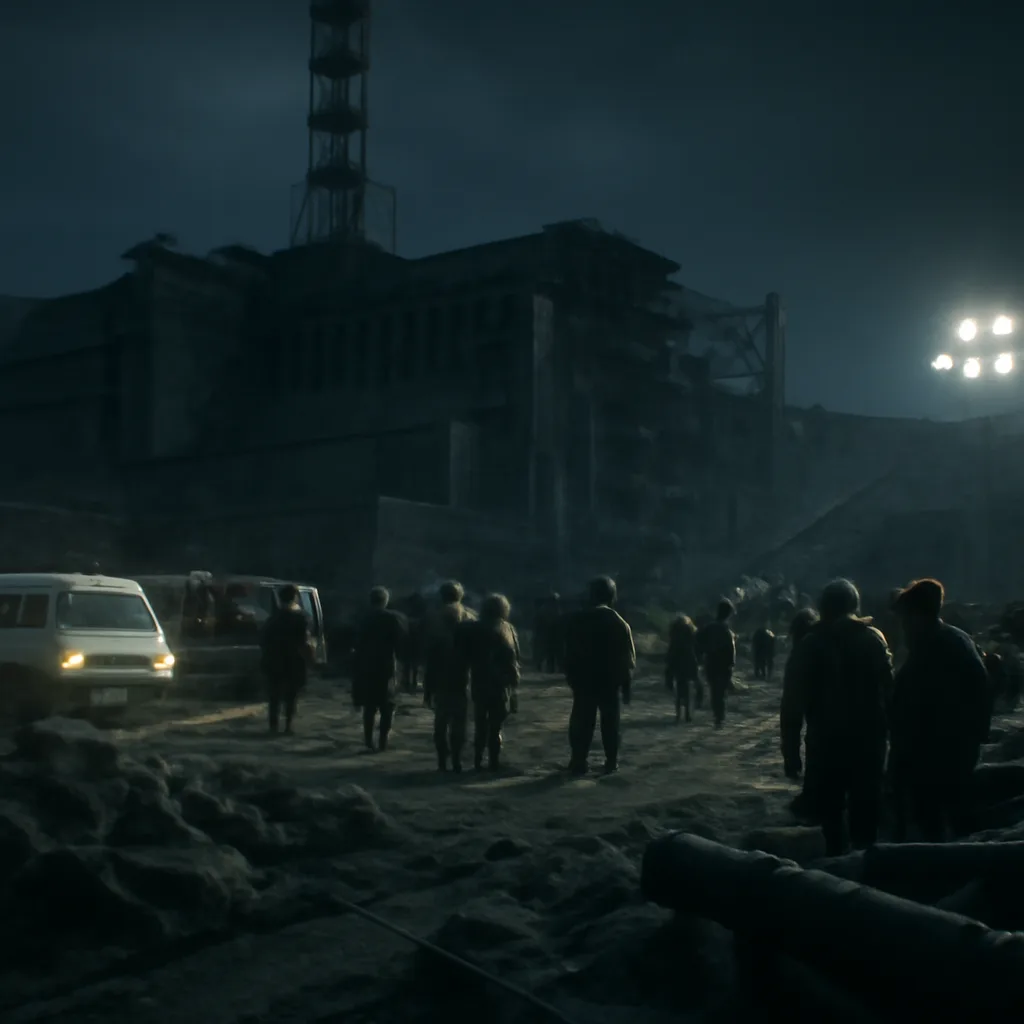
A worker from the Chernobyl nuclear plant was mistakenly buried alive during emergency operations after the April 1986 disaster and was rescued alive roughly 36 hours later; accounts of the incident vary and details remain limited in public records.
The 1913 Paterson Shirtwaist Factory Hysteria: An Early Documented Case of Mass Psychogenic Illness
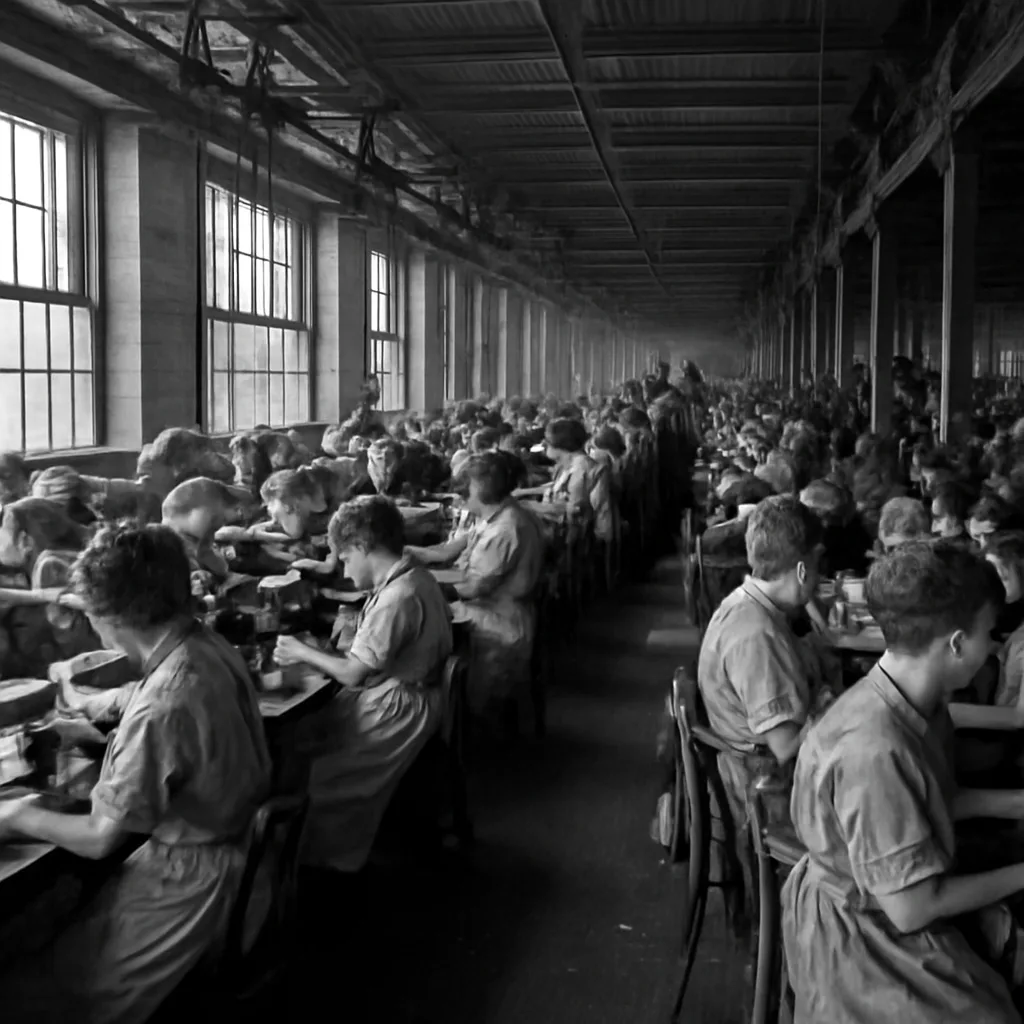
On April 19, 1913, a rapid onset of fainting, nausea and trembling swept through workers at a Paterson, New Jersey, shirtwaist factory—one of the earliest well-documented factory mass psychogenic illness outbreaks in the United States, attributed at the time to 'contagion of fear' rather than identifiable toxic exposure.
Hijacking of Pan Am Flight 812 ends after negotiation, 1972
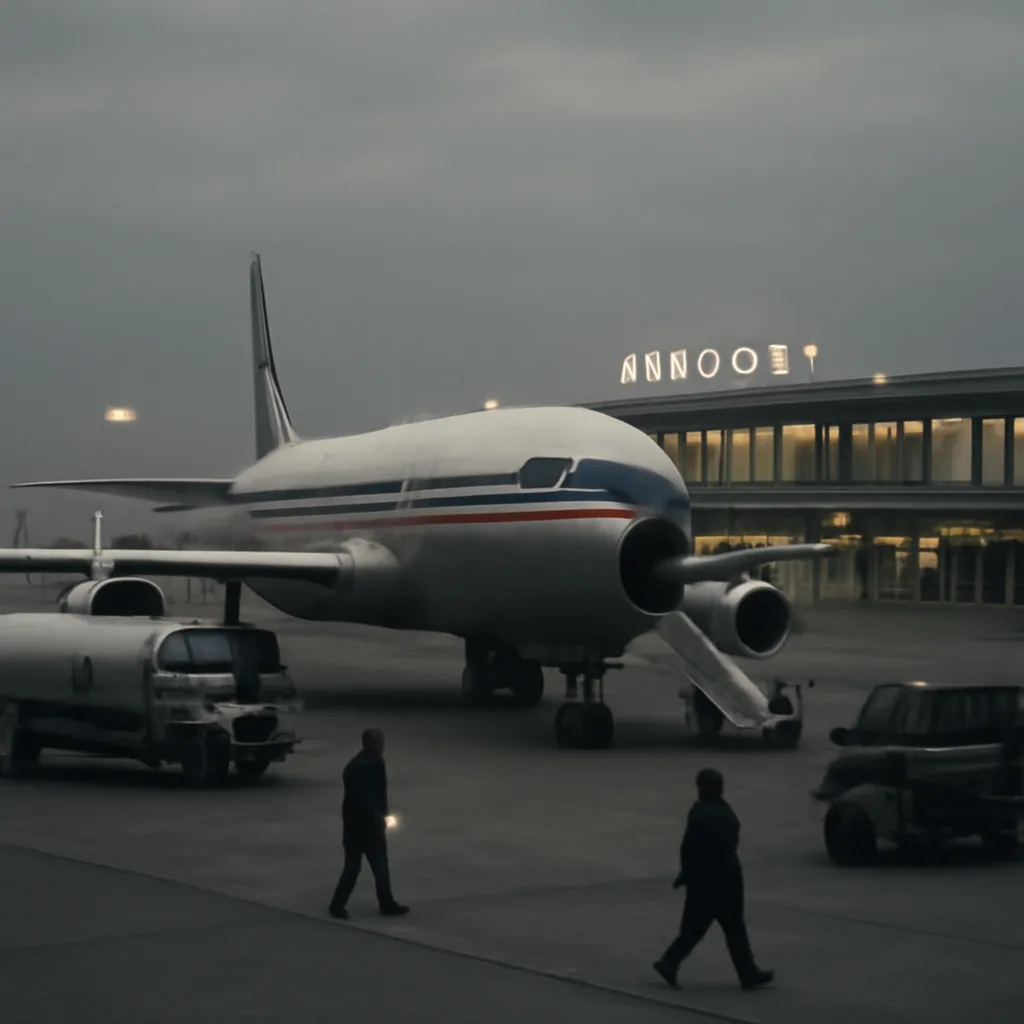
On April 19, 1972, the first widely reported commercial airline hijacking crisis — involving Pan Am Flight 812 — was resolved after negotiators secured the release of passengers and crew; the incident shaped later aviation security measures.
Waco Siege Ends as Cult Compound Burns After FBI Assault
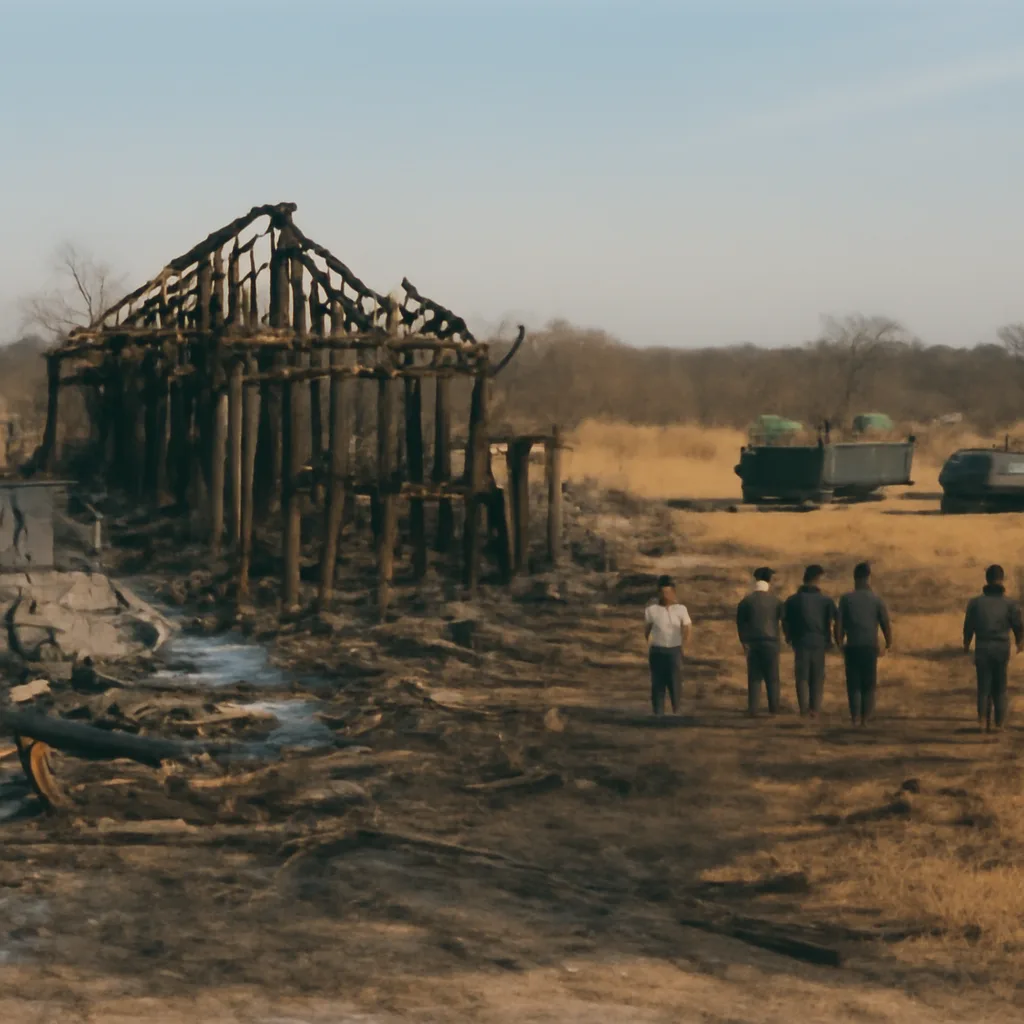
On April 19, 1993, the 51-day federal standoff at the Branch Davidian compound near Waco, Texas, culminated in a massive fire during an FBI operation, killing scores inside the Mount Carmel center and ending the siege.
Fire Devastates Downtown Toronto, Several Blocks Destroyed
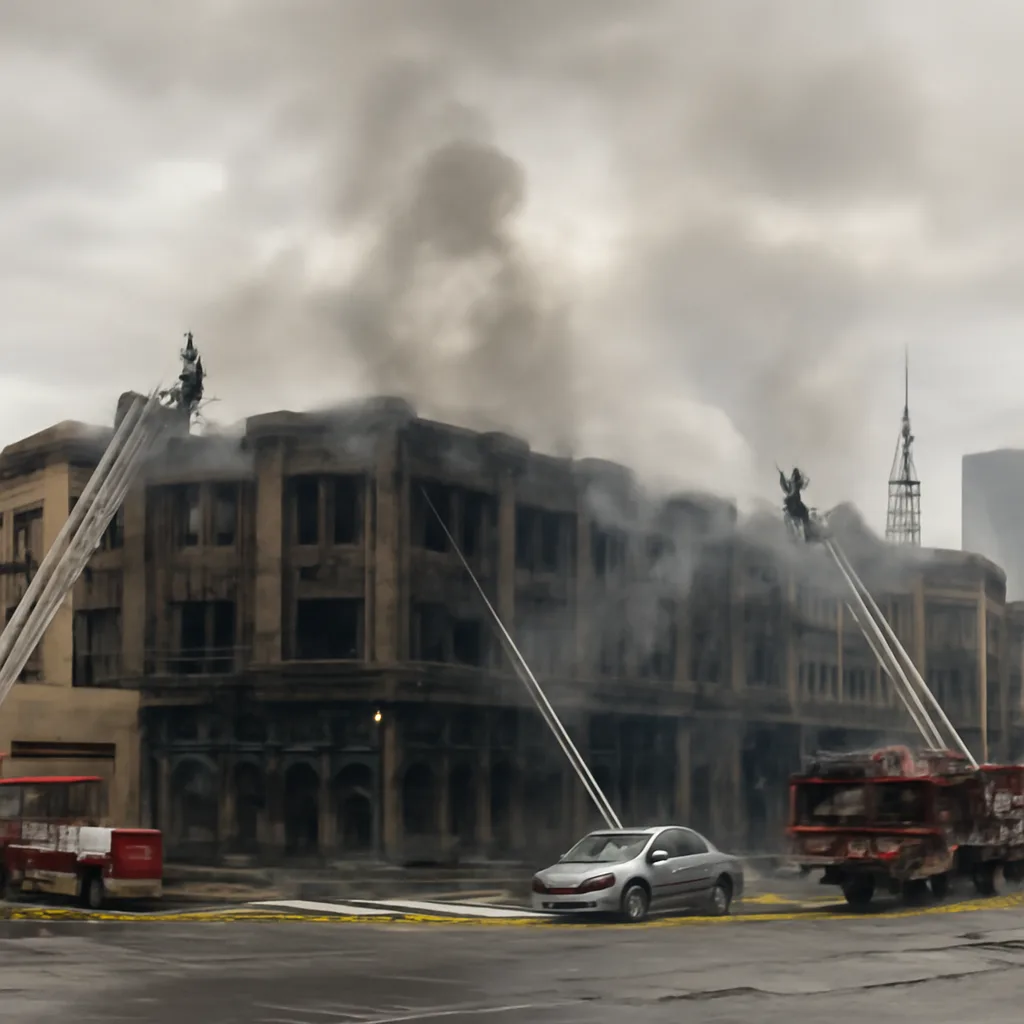
A major blaze swept through downtown Toronto on April 19, destroying multiple city blocks and damaging numerous buildings. Emergency crews battled the fire; investigations into the cause and the full extent of damage are ongoing.
Branch Davidian siege ends in a deadly fire near Waco, Texas
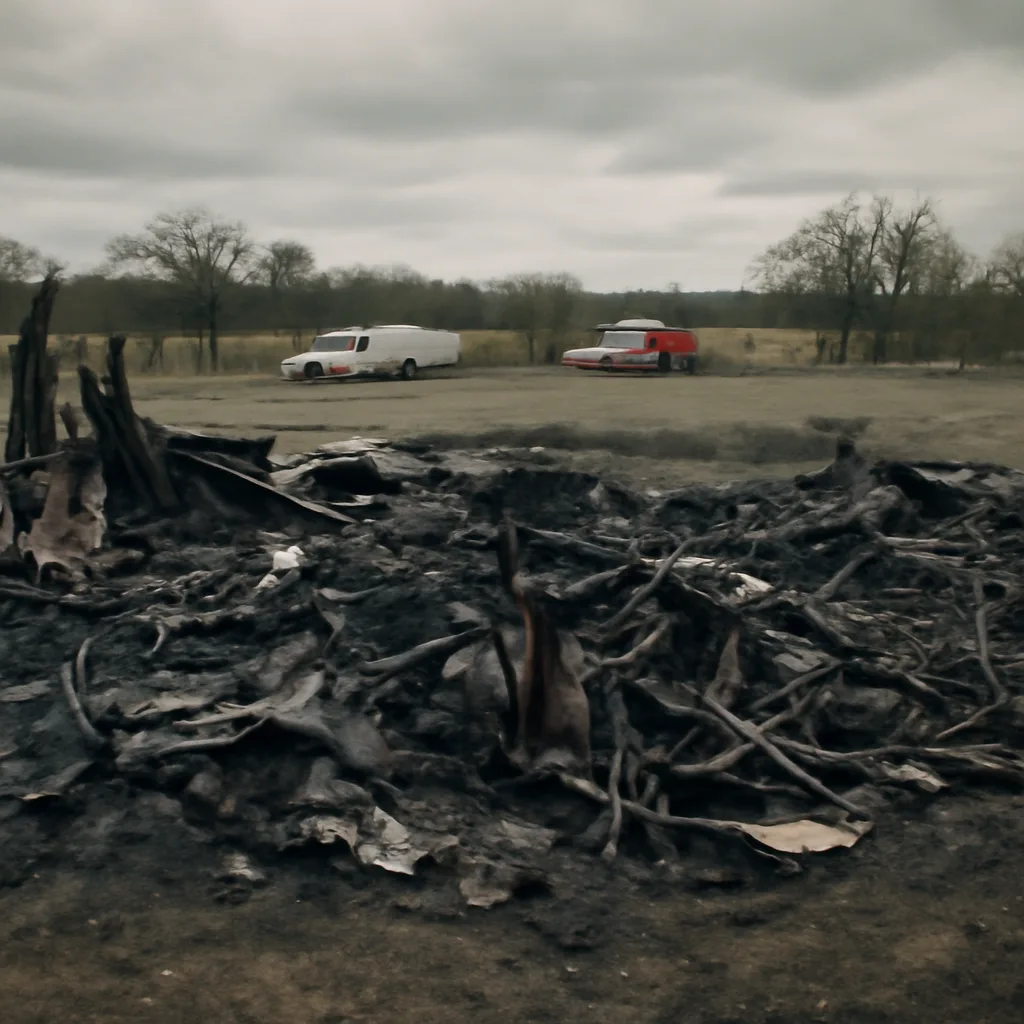
After a 51-day standoff between federal agents and the Branch Davidian religious group near Waco, Texas, a large fire consumed the group's Mount Carmel compound on April 19, 1993, resulting in the deaths of more than 70 people and prompting years of investigations and controversy.
Fire Ravages Toronto’s Downtown, Destroys Multiple Blocks
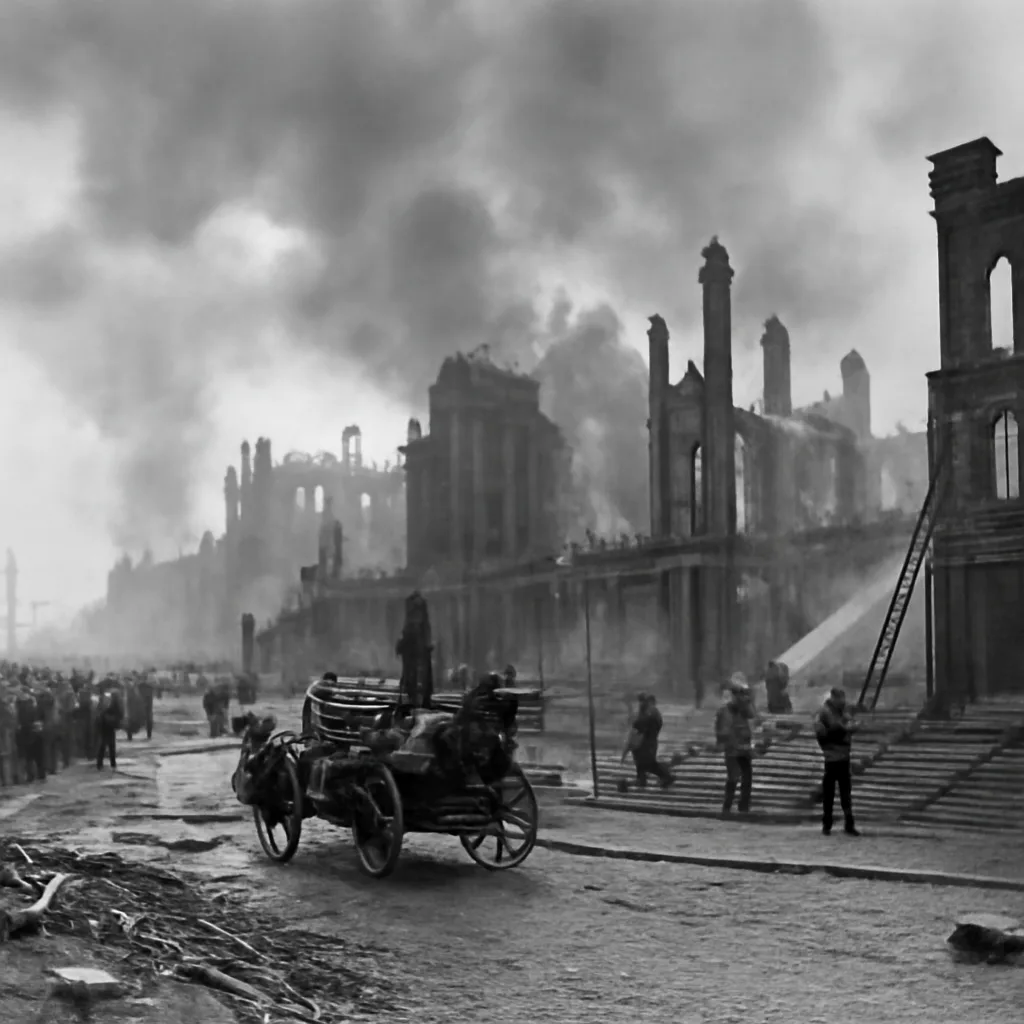
On April 19, 1904, a major conflagration swept through Toronto’s downtown core, destroying numerous commercial buildings and leaving thousands temporarily homeless; the blaze reshaped the city’s waterfront and prompted changes in fire safety and rebuilding.
Harvard opens the United States' first modern gymnasium
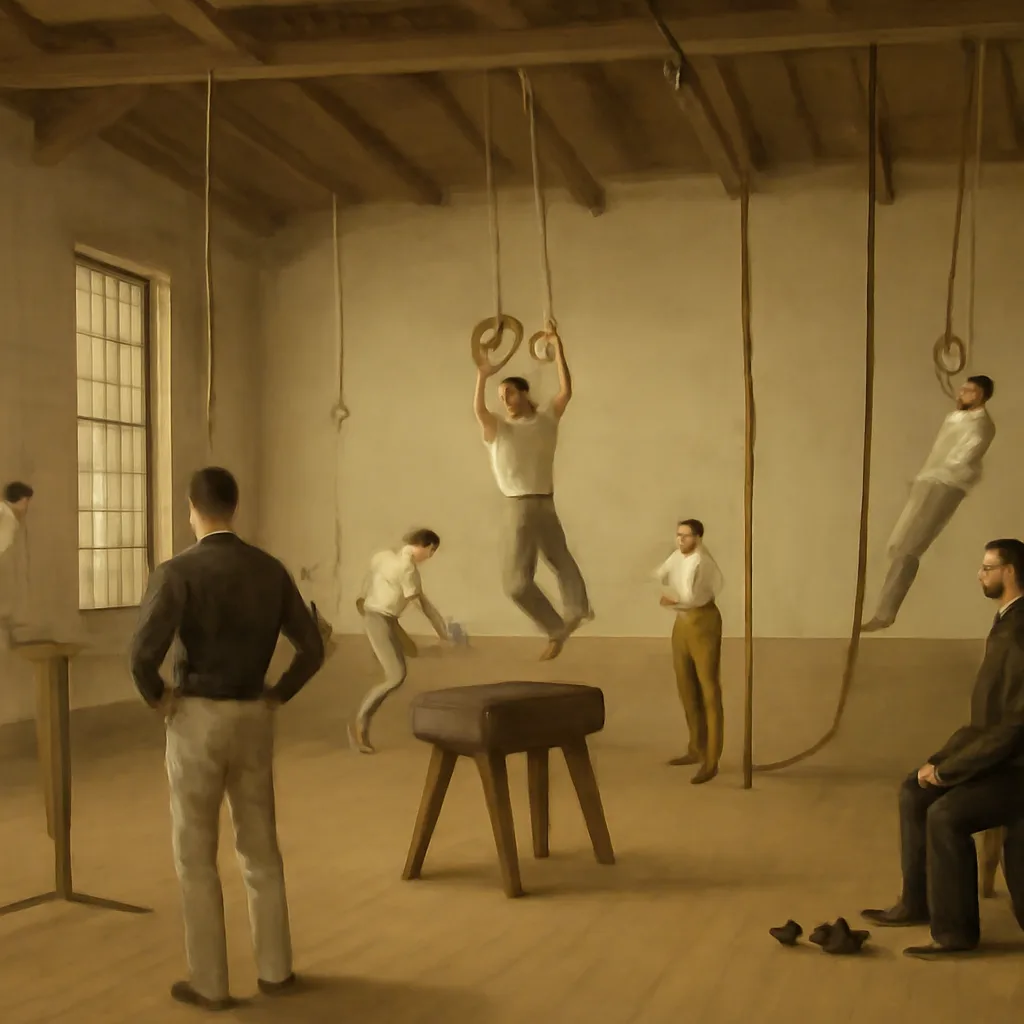
On April 19, 1861, Harvard University dedicated a purpose-built indoor gymnasium—often cited as the first modern gymnasium in the United States—marking a shift toward organized physical education on American campuses.
1912 Roller Coaster Disaster in New York Spurs Early Ride-Safety Laws
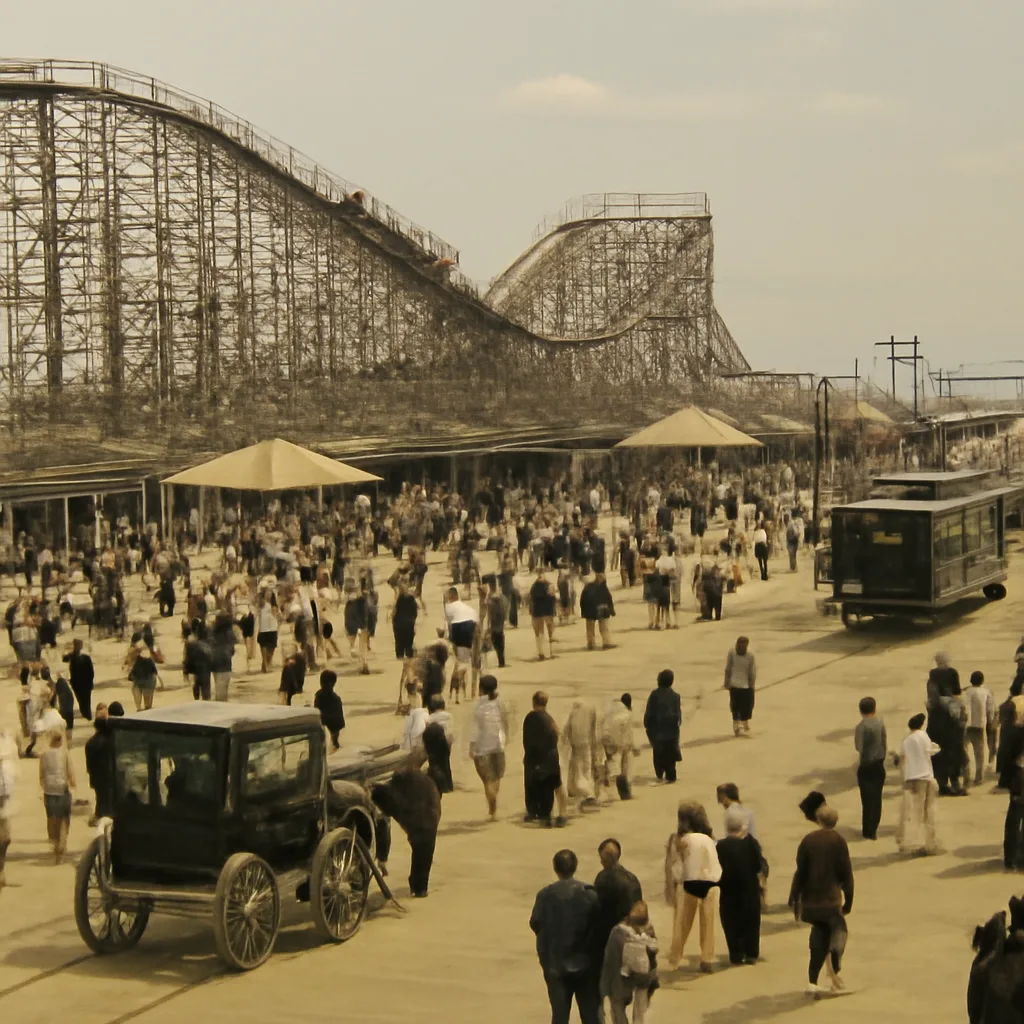
On April 19, 1912, a catastrophic accident on a Coney Island-style roller coaster in Brooklyn killed and injured riders, prompting municipal investigations and helping drive some of the first local regulations targeting amusement-park safety and ride inspection standards.
Oklahoma City bombing kills 168 people
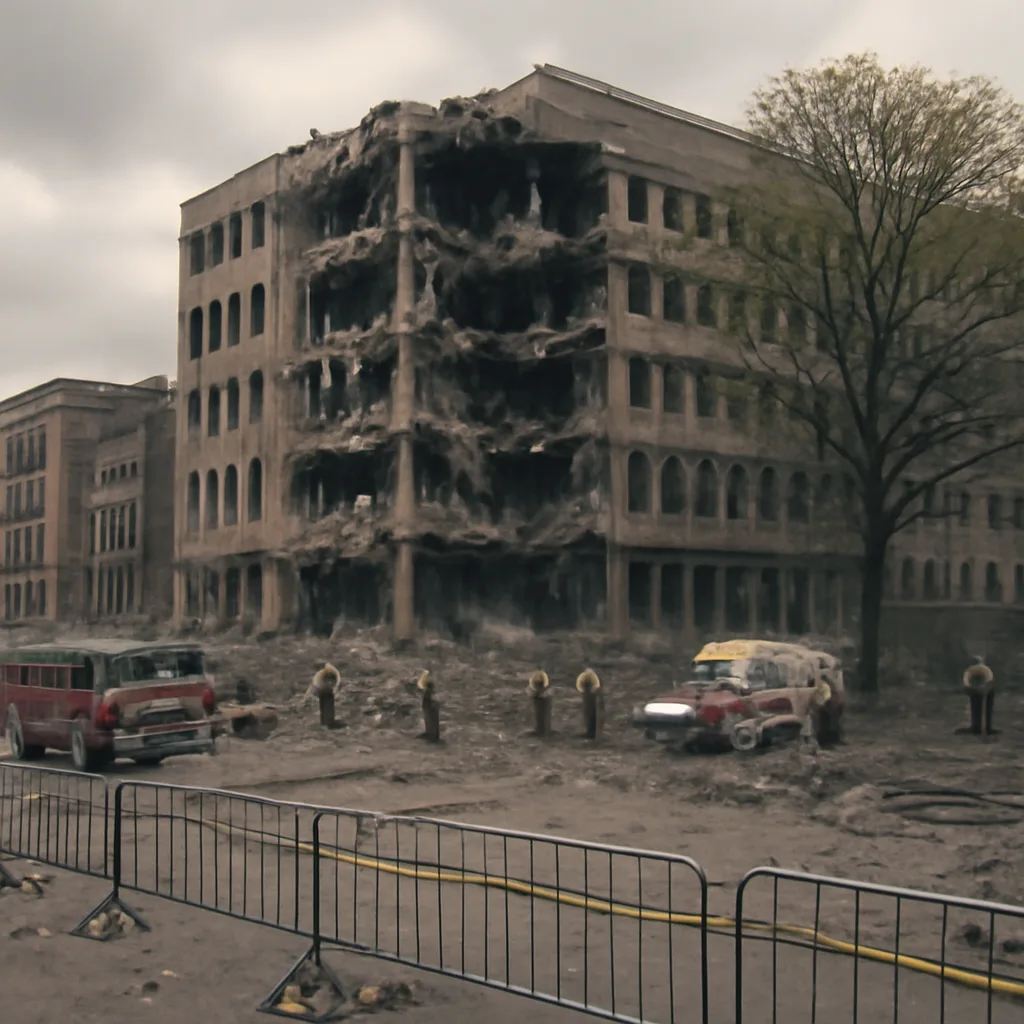
On April 19, 1995, a truck bomb destroyed the Alfred P. Murrah Federal Building in Oklahoma City, killing 168 people and injuring hundreds in one of the deadliest domestic terrorist attacks in U.S. history.