On this day: June 1
Man Survives Seven Lightning Strikes in 1918
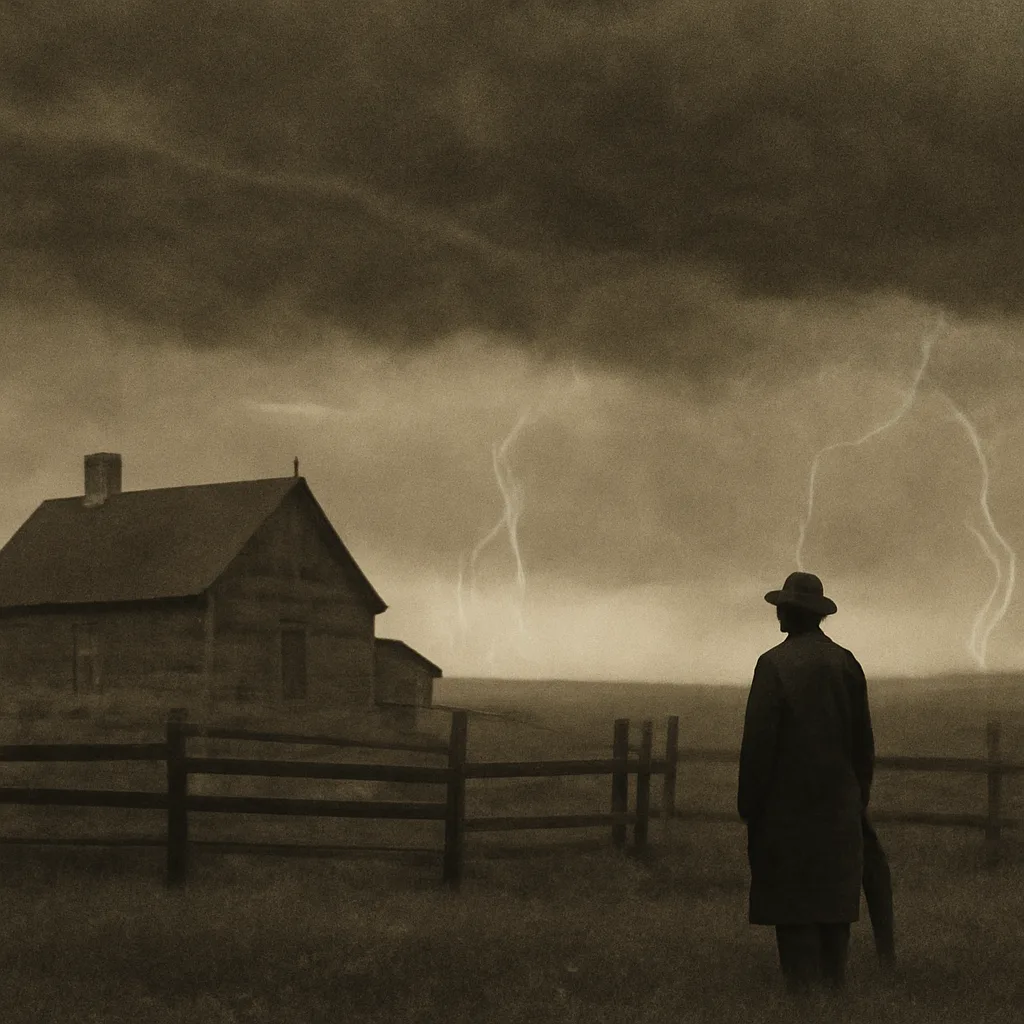
On June 1, 1918, reports circulated that a man had been struck by lightning seven times and survived. Contemporary accounts are sparse and sometimes contradictory; the core claim has persisted as an extraordinary survival story from the early 20th century.
Man Allegedly Survived Seven Lightning Strikes in 1918

A widely reported 1918 incident claims a man survived being struck by lightning seven times—an account reported in contemporary newspapers but lacking definitive documentation and subject to variation in details.
Whole Village Reports Having the Same Dream on June 1, 2006
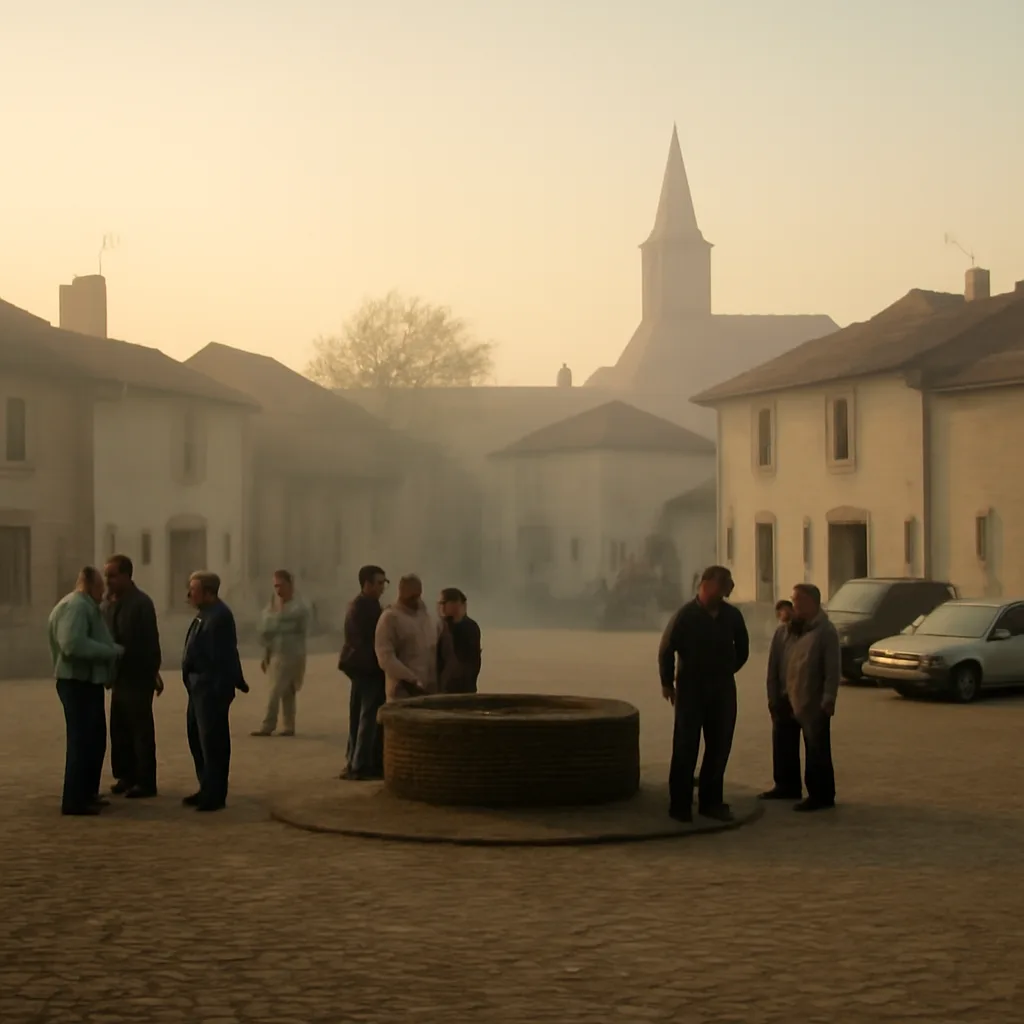
On the night of June 1, 2006, residents of a small village reported an unusually high number of people describing the same dream. Accounts and local records show a cluster of similar reports, though explanations range from shared cultural cues to coincidence.
June 1, 1948: First Recorded Commercial Airline Hijacking in Cuba
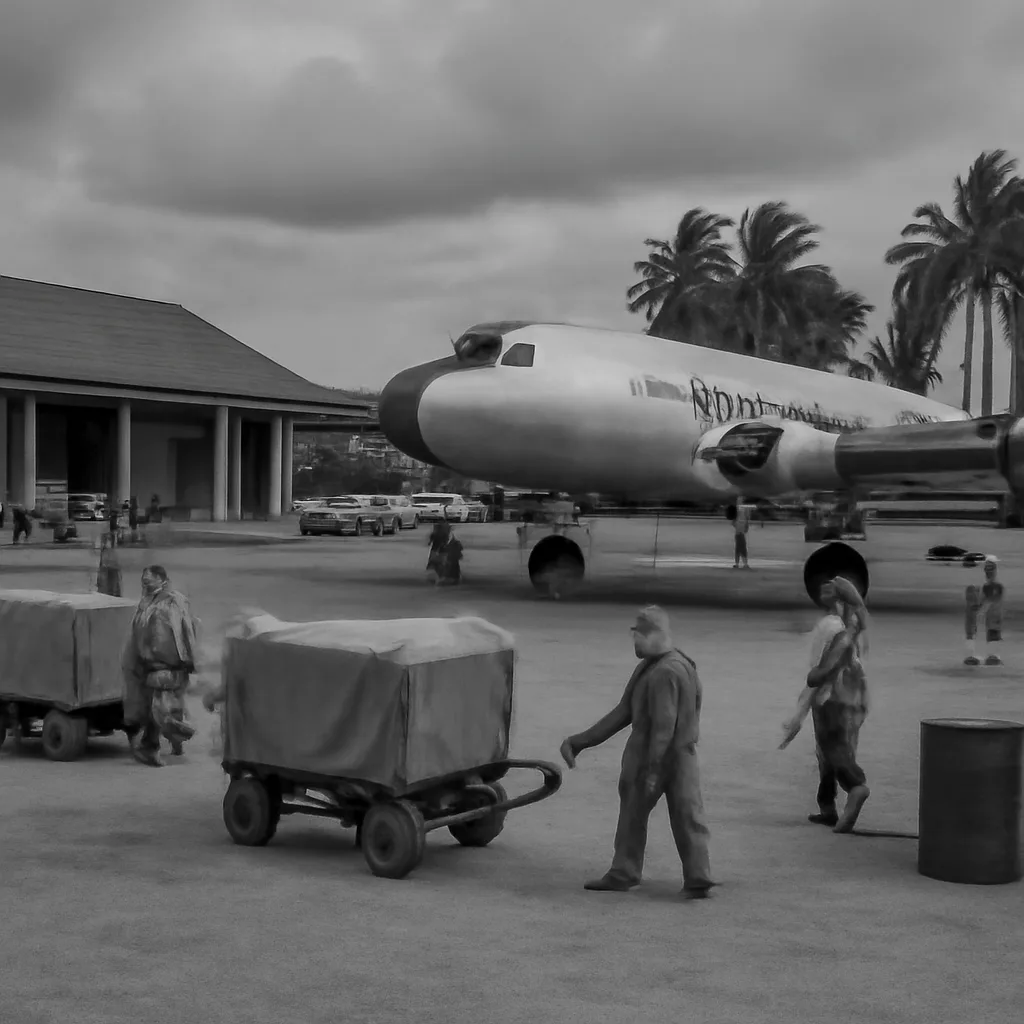
On June 1, 1948, a Cubana de Aviación DC-4 was seized by armed men after takeoff from Havana, marking the first widely documented hijacking of a commercial airliner. The incident reflected postwar political tensions and set a precedent for aircraft seizures in later decades.
First Commercial Television Advertisement Airs in 1941
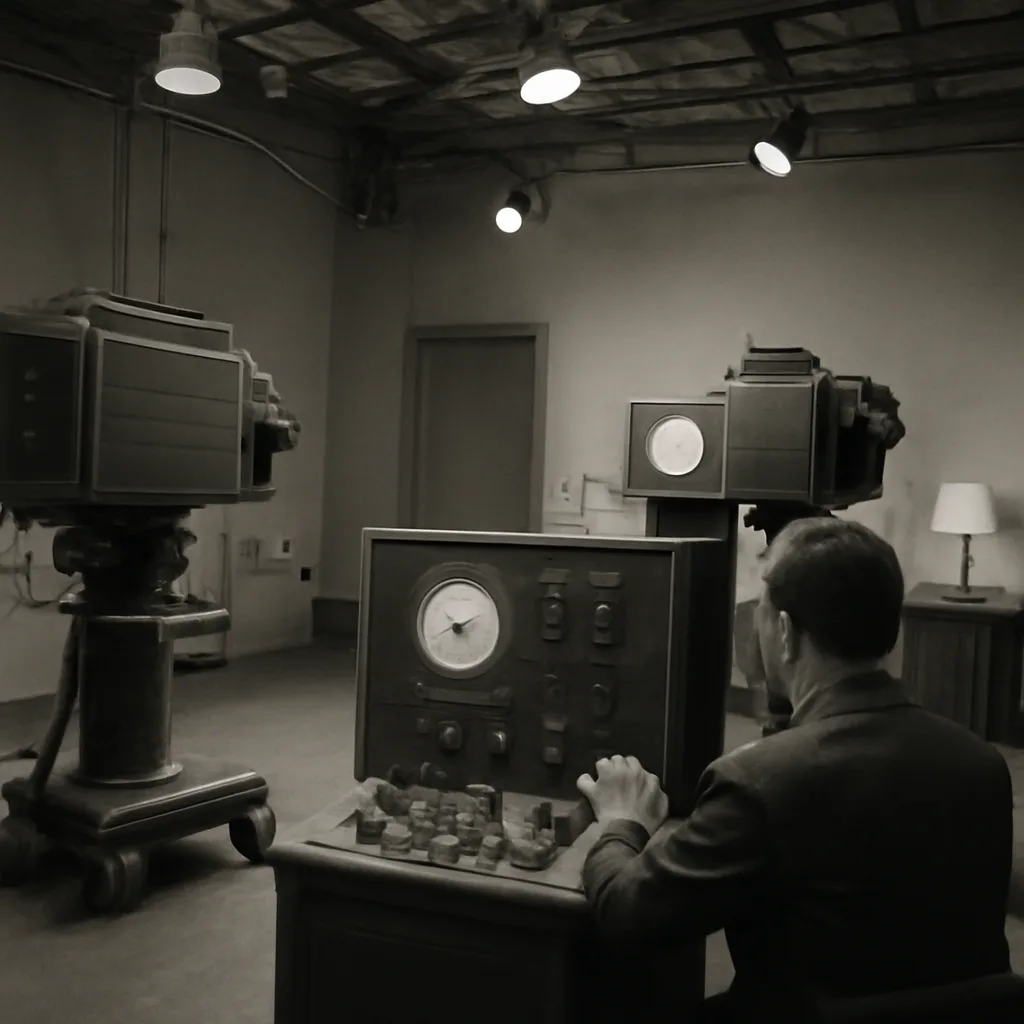
On June 1, 1941, the first paid commercial television advertisement in the United States aired during a Brooklyn station’s broadcast, marking an early step in the development of TV advertising despite the medium’s limited audience at the time.
Mass Evacuation in 1957 Over Nuclear Fears Marks First Large-Scale Cold War Displacement
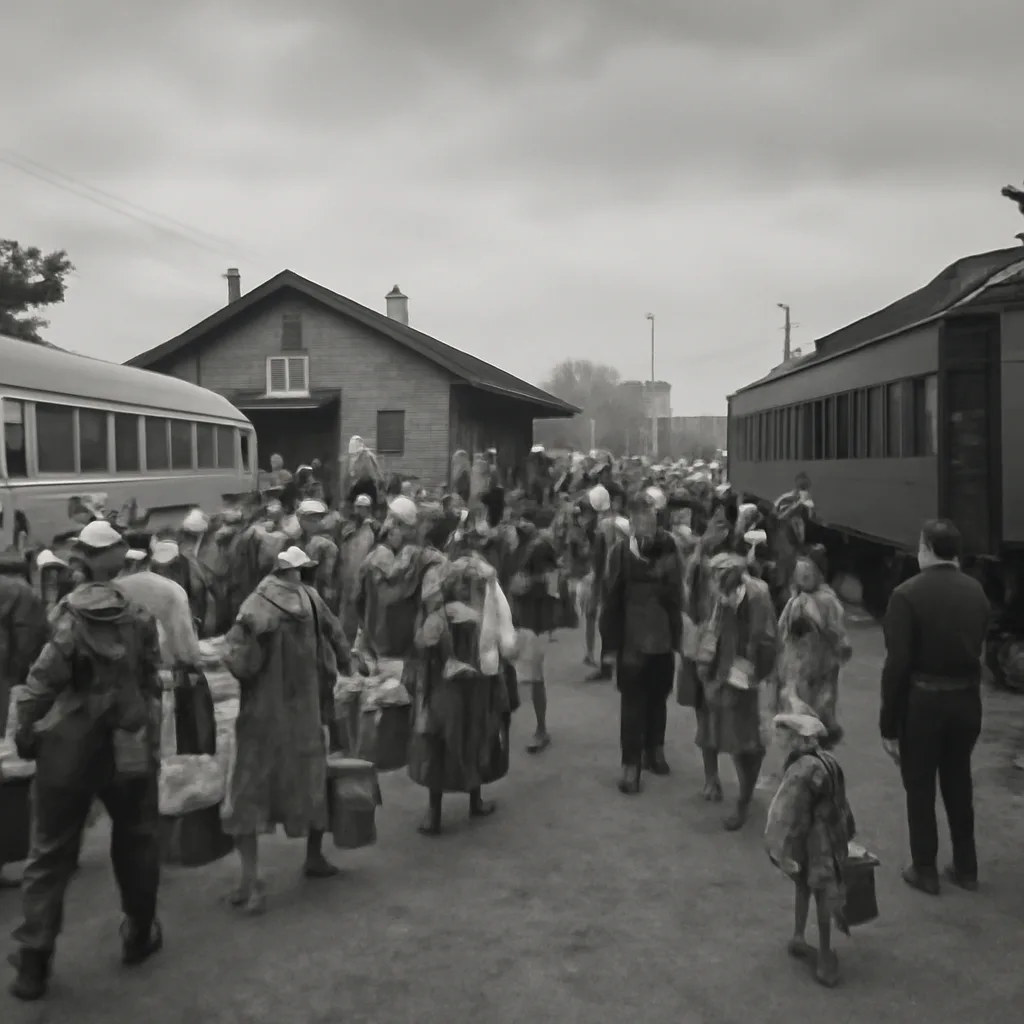
On June 1, 1957, a large-scale evacuation was carried out in response to fears of radioactive contamination linked to nuclear testing and accidents, representing one of the earliest mass movements of civilians driven by nuclear anxiety during the Cold War era.
Kodak No. 1: The first mass-produced camera goes on sale
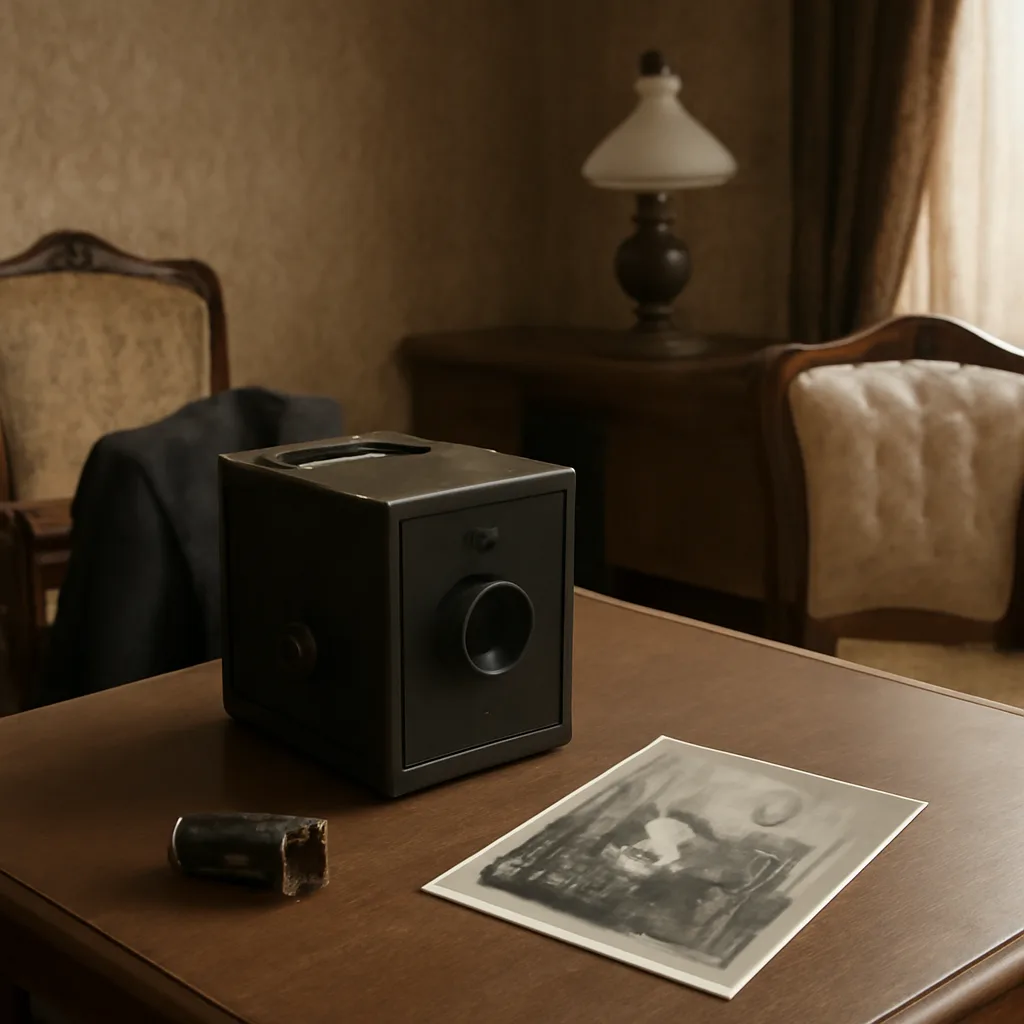
On June 1, 1900, Eastman Kodak’s affordable, mass-produced Kodak No. 1 and related roll-film cameras were widely available, marking a turning point that made snapshot photography accessible to broad audiences.
Television Network WNBT Begins Regular Programming in New York
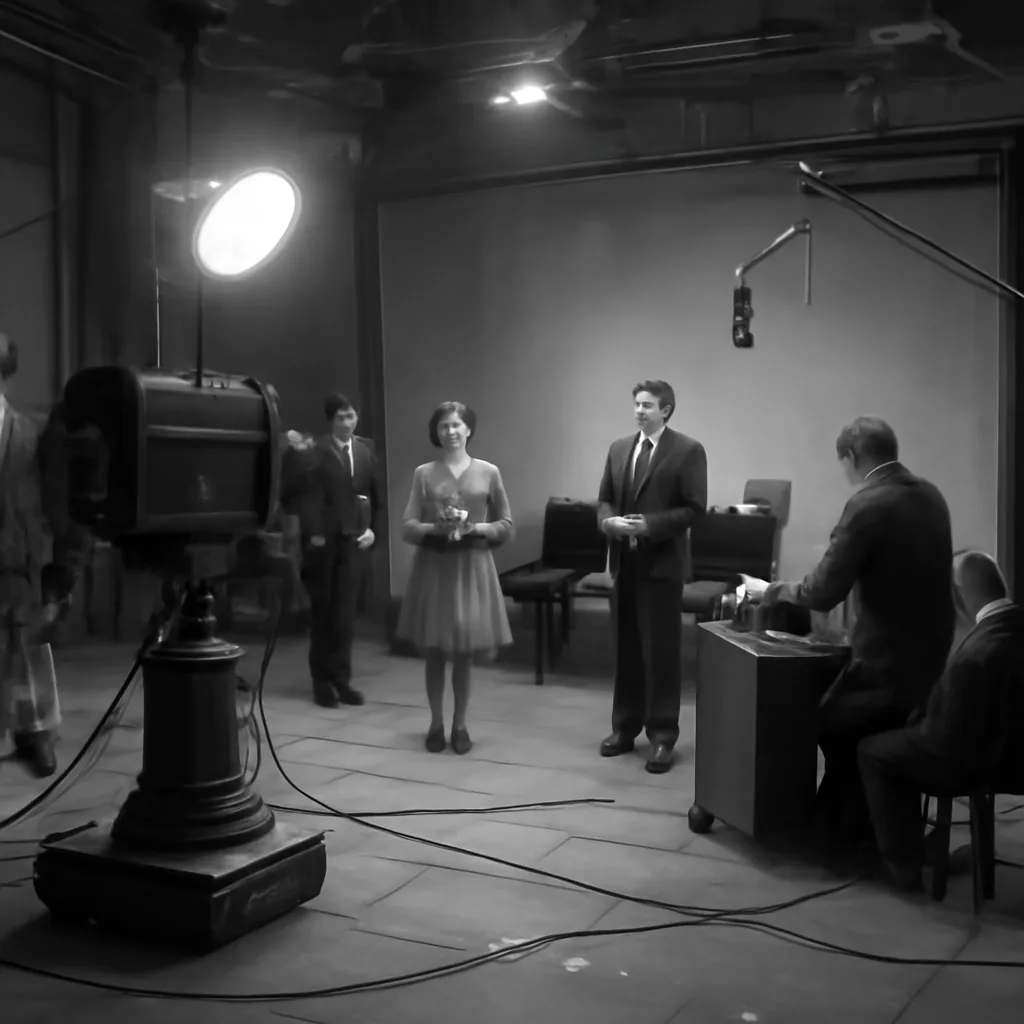
On June 1, 1940, WNBT (now WNBC) in New York City began scheduled commercial television programming, marking a key early step in the establishment of modern broadcast television in the United States.