On this day: February 12
Referee Decides 1954 Match by Coin Toss After Rule Dispute

On 12 February 1954 a soccer match was settled by a coin toss after officials could not resolve a rules dispute and lacked procedures for a replay or penalty shootout.
1938 Reported Mass Hallucination in a Polish Village

On February 12, 1938, newspapers and local reports described a collective visual and auditory phenomenon affecting residents of a small Polish village; contemporaneous accounts framed it as a mass hallucination, though explanations ranged from psychological contagion to suggestibility and environmental factors.
1913 Dalton Mill Panic: an early U.S. factory hysteria episode

On February 12, 1913, Dalton, Massachusetts, textile workers and townspeople experienced a sudden panic at a mill—an episode later discussed as collective hysteria tied to working conditions, rumor, and fear rather than a confirmed external threat.
An 1894 Parisian Theater Panic Often Cited as the First Mass Hypnosis Case

On 12 February 1894, reports from Paris describe an episode in which a large audience in a popular theater fell into a trance-like state during a performance—an event contemporaries and some later writers labeled an instance of 'mass hypnosis', though interpretations have varied.
Vatican Issues First Official Statement on Possibility of Extraterrestrial Life

On Feb. 12 (year unspecified in some reports), the Vatican’s Pontifical Academy for Life and other Vatican offices issued a cautious, theologically framed statement acknowledging that the discovery of extraterrestrial life would not necessarily contradict Catholic doctrine, marking a first formal Vatican engagement with the topic.
Vatican Issues First Official Statement on Extraterrestrial Life (2008)

On 12 February 2008 the Vatican’s Pontifical Academy of Sciences and related Vatican offices publicly addressed the possibility of extraterrestrial life for the first time in an official capacity, framing the question in theological and scientific terms without endorsing any specific discovery.
First Woman Executed in Electric Chair: 1928 Case Marks a Grim Milestone

On February 12, 1928, the United States carried out its first known execution of a woman by electric chair, a moment that highlighted shifting penal technologies and persistent legal and social debates over capital punishment for female defendants.
The First Documented Disappearance of an Entire Village (1587)

On February 12, 1587, reports from European explorers and colonial administrators recorded what many historians consider the earliest written account describing an entire village found abandoned with no clear explanation. The episode—documented in dispatches and later debated—illuminates early colonial encounters, gaps in record-keeping, and the hazards of interpreting sparse sources.
Factory Fits: A Documented Episode of Collective Hysteria, 12 February 1913

On 12 February 1913, medical and press accounts recorded an episode of collective nervous disturbance at a European factory, later described as 'hysteria' in period sources; contemporaries debated whether the cause was social contagion, workplace stress, or environmental factors.
1894 Paris Theater Panic Often Cited as First Mass Hypnosis Case

In February, 1894, a sudden panic at a Parisian theater left historians and psychologists debating whether the incident represented an early instance of 'mass hypnosis' or a more conventional crowd panic shaped by suggestion and social context.
Vatican Issues First Official Statement on Extraterrestrial Life

On Feb. 12, 2008, the Vatican’s Pontifical Academy of Sciences published a formal note addressing the theological and scientific implications of extraterrestrial life, marking the first clear institutional statement from the Holy See on the subject.
Mesmerism Steps Into the Light: The First Public Hypnosis Demonstration, 12 February 1846
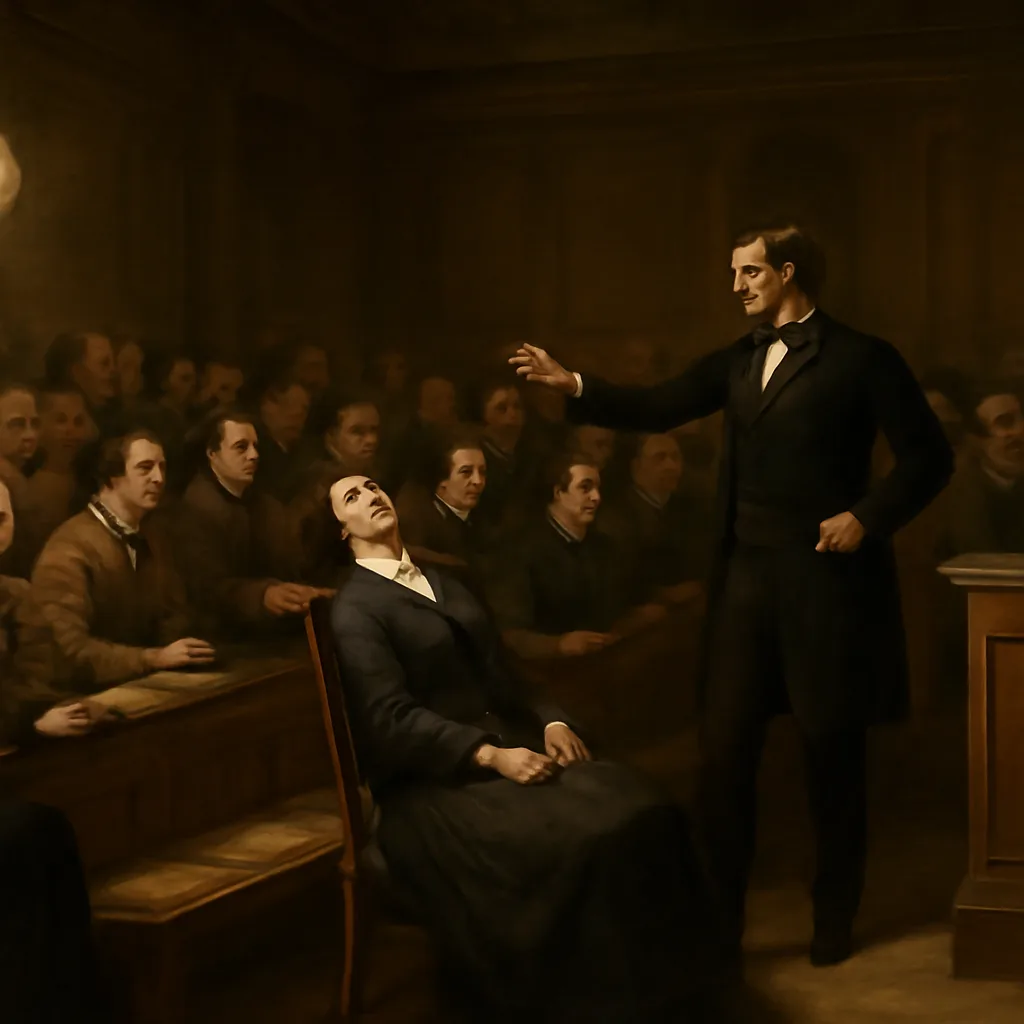
On 12 February 1846 a staged demonstration of mesmerism (then called hypnotism) took place publicly, bringing a controversial set of practices from private salons into broader public view and sparking debate among physicians, clergy and the press.
FBI Confirms Wrongful Conviction in High-Profile 2002 Case
On Feb. 12, 2002, the FBI acknowledged that evidence in a widely publicized criminal case was mishandled, confirming the conviction was wrongful. The admission prompted renewed calls for review of forensic practices and reparative measures for the exonerated individual.
Charles Lindbergh’s Baby Found Murdered in 1932

On Feb. 12, 1932, the body of Charles Lindbergh’s 20-month-old son, Charles Jr., was discovered near the Lindbergh home in Hopewell, New Jersey, touching off a high-profile investigation and a landmark murder case.
1913 Dalton Mill Panic: an early factory hysteria episode

On 12 February 1913, workers at the Dalton textile mill in Lancashire experienced a mass panic triggered by an unexplained odor and fainting; contemporary reports framed it as a case of factory hysteria, reflecting early-20th-century medical and social responses to workplace disturbances.
Mesmerism Enters the Public Eye: 12 February 1846 Demonstration
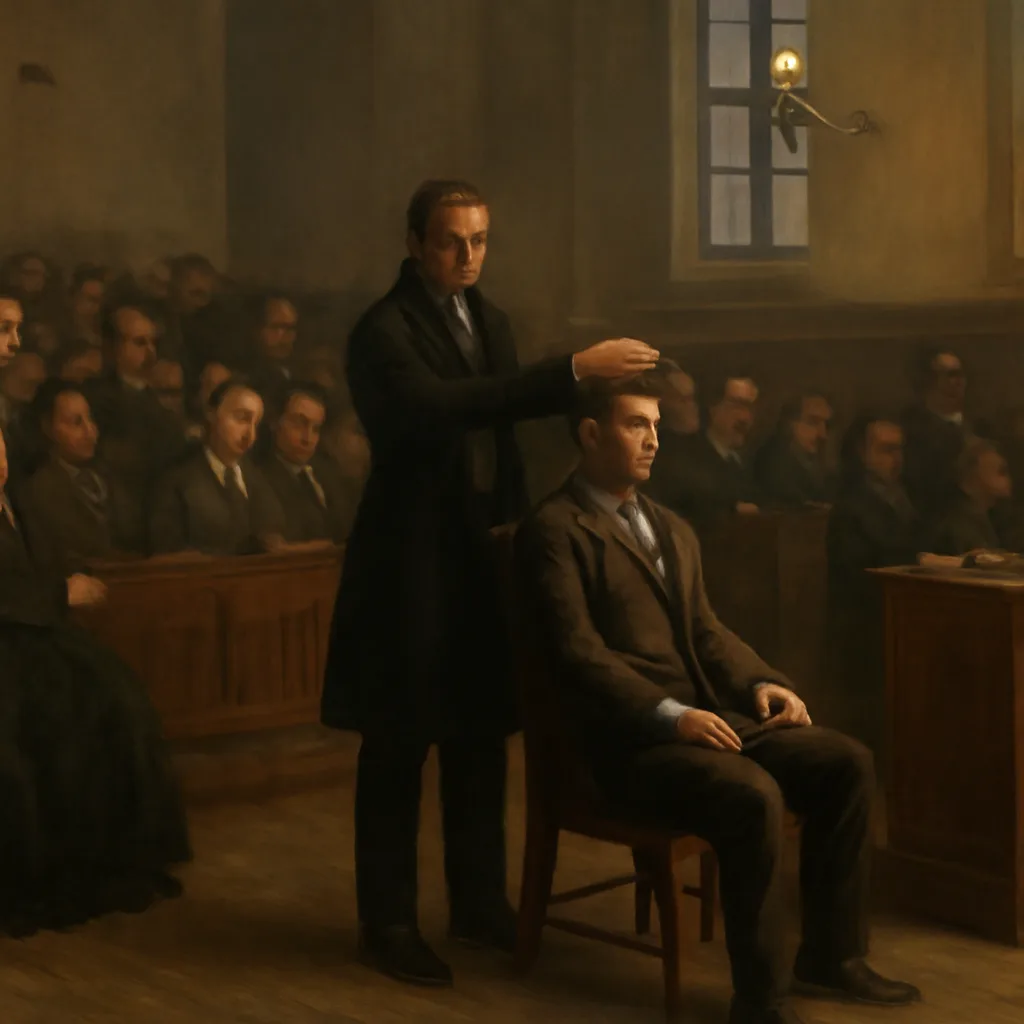
On 12 February 1846 a public demonstration of mesmerism (an early form of hypnosis) was staged in a European city, bringing renewed public attention to techniques of suggestion and animal magnetism first popularized in the late 18th century.
FBI Forms Behavioral Science Unit to Study Violent Crime

On February 12, 1972, the FBI formally established its Behavioral Science Unit to develop criminal profiling and study violent offenders, marking a turning point in the bureau’s scientific approach to violent crime investigation.
FDA Refuses Approval for Thalidomide After Link to Birth Defects Emerges

On Feb. 12, 1962, amid mounting evidence connecting thalidomide to severe birth defects, the U.S. Food and Drug Administration denied approval for the drug for civilian use, a decision that helped prevent widespread congenital injuries in the United States.
FDA Withdraws Thalidomide After Link to Birth Defects Emerges

On Feb. 12, 1962, amid mounting evidence that thalidomide caused severe limb deformities in newborns abroad, U.S. regulators moved to block its approval and distribution, marking a pivotal moment in drug safety oversight.