On this day: May 7
Unseasonable fish shower causes multiple traffic collisions in city

On May 7, 2020, reports emerged that small fish fell from the sky across parts of the city, creating slippery roads and contributing to a series of traffic accidents; authorities investigated environmental and meteorological explanations.
The 1966 Tanganyika Schoolgirls' Fainting Epidemic: an early documented mass psychogenic illness

In May 1966 dozens of schoolgirls in Tanganyika (now part of Tanzania) experienced episodes of fainting, hyperventilation and other symptoms over days to weeks. Contemporary investigators and later researchers have interpreted the outbreak as an early, well-documented instance of mass psychogenic illness rather than an infectious or toxic event.
The 1966 Tanganyika Schoolgirls' Fainting Epidemic: an early documented mass psychogenic illness

In May 1966, dozens of schoolgirls in the village of Kashasha, Tanganyika (now Tanzania), experienced sudden fainting, crying, and hyperventilation in a spread later interpreted as mass psychogenic illness linked to social stress and cultural context.
1947 Public Demonstration of Weather Control Techniques in the United States
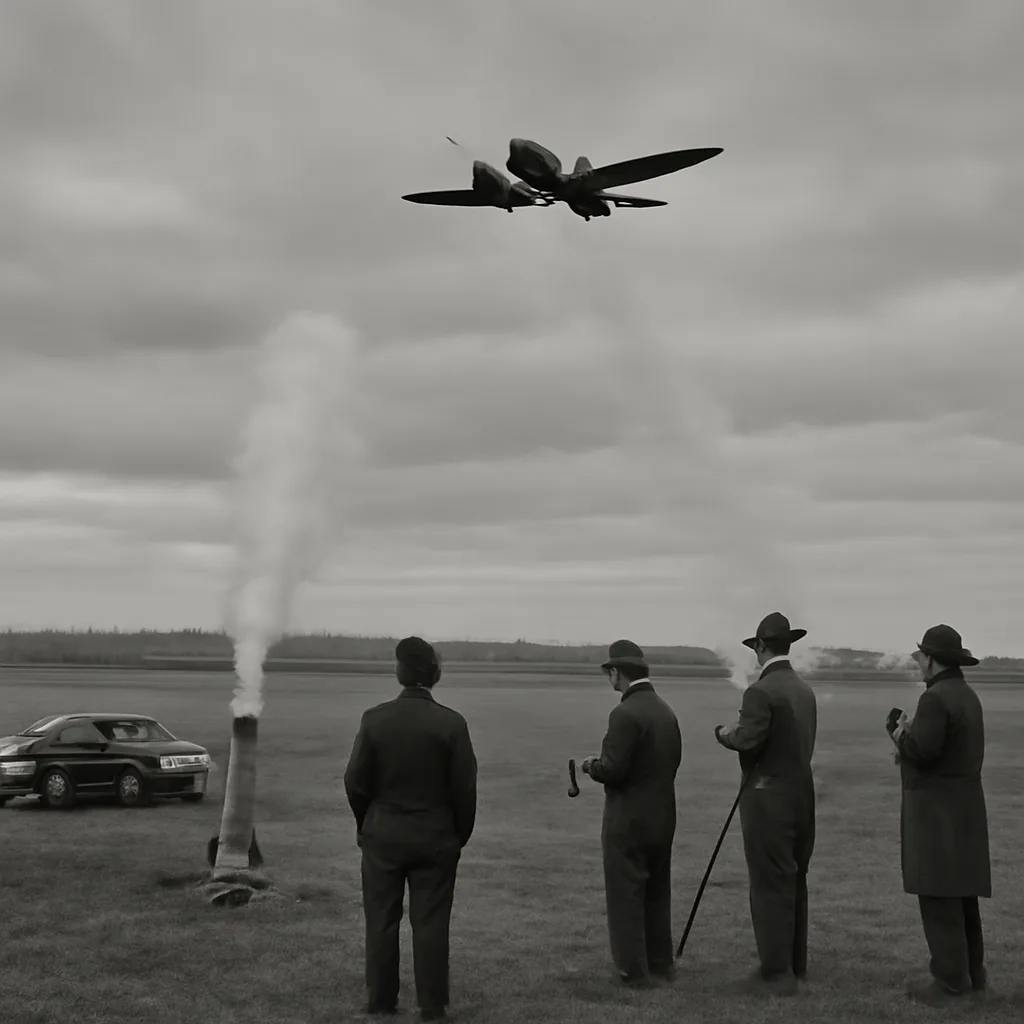
On May 7, 1947, researchers staged one of the earliest public demonstrations of deliberate weather modification—cloud seeding experiments—presenting techniques intended to influence precipitation to the public and press.
First Public Demonstration of Artificial Organs Held in 1957

On May 7, 1957, surgeons and engineers publicly demonstrated early artificial organ devices—chiefly dialysis and prototype heart-assist technologies—marking a turning point in clinical and experimental transplant and extracorporeal support research.
Site for First Atomic Blast Decided in Secret
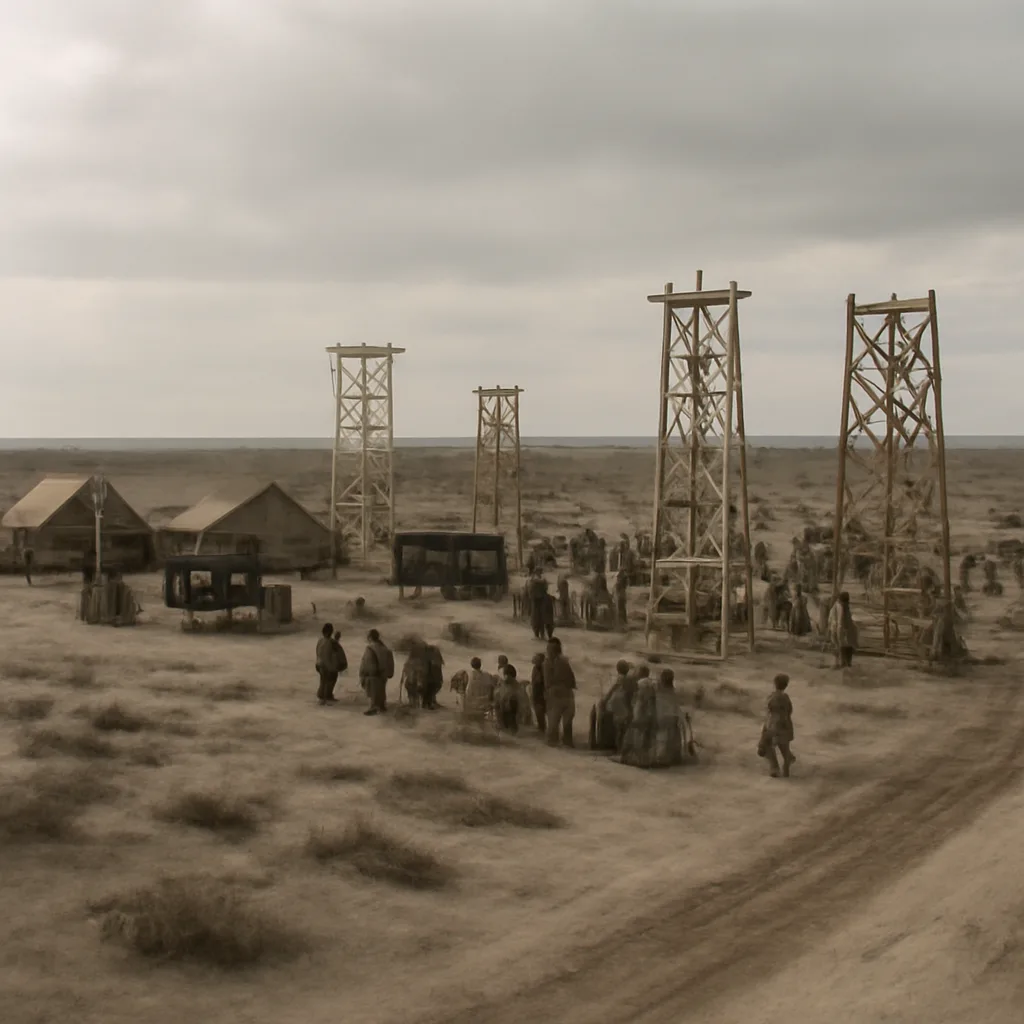
On May 7, 1945, U.S. military and scientific leaders finalized a remote test location for the first atomic bomb—decision made under tight secrecy as World War II neared its end.
Sinking of RMS Lusitania on 7 May 1915 kills nearly 1,200
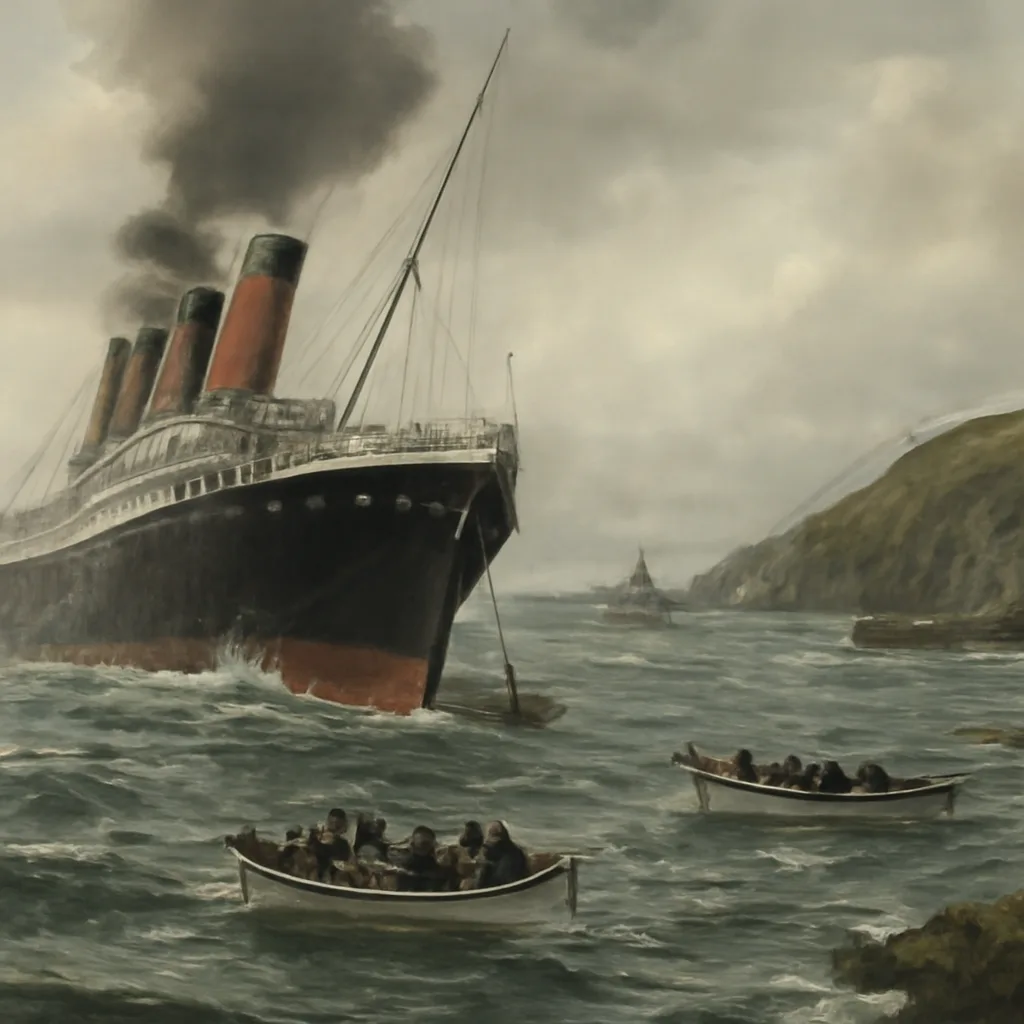
On 7 May 1915 the British ocean liner RMS Lusitania was torpedoed by a German U-boat off the coast of Ireland and sank in 18 minutes, with the loss of about 1,198 lives; the attack intensified international outrage and affected public opinion during World War I.
Congress Expands Yellowstone to Protect Its Geothermal Wonders (May 7, 1891)
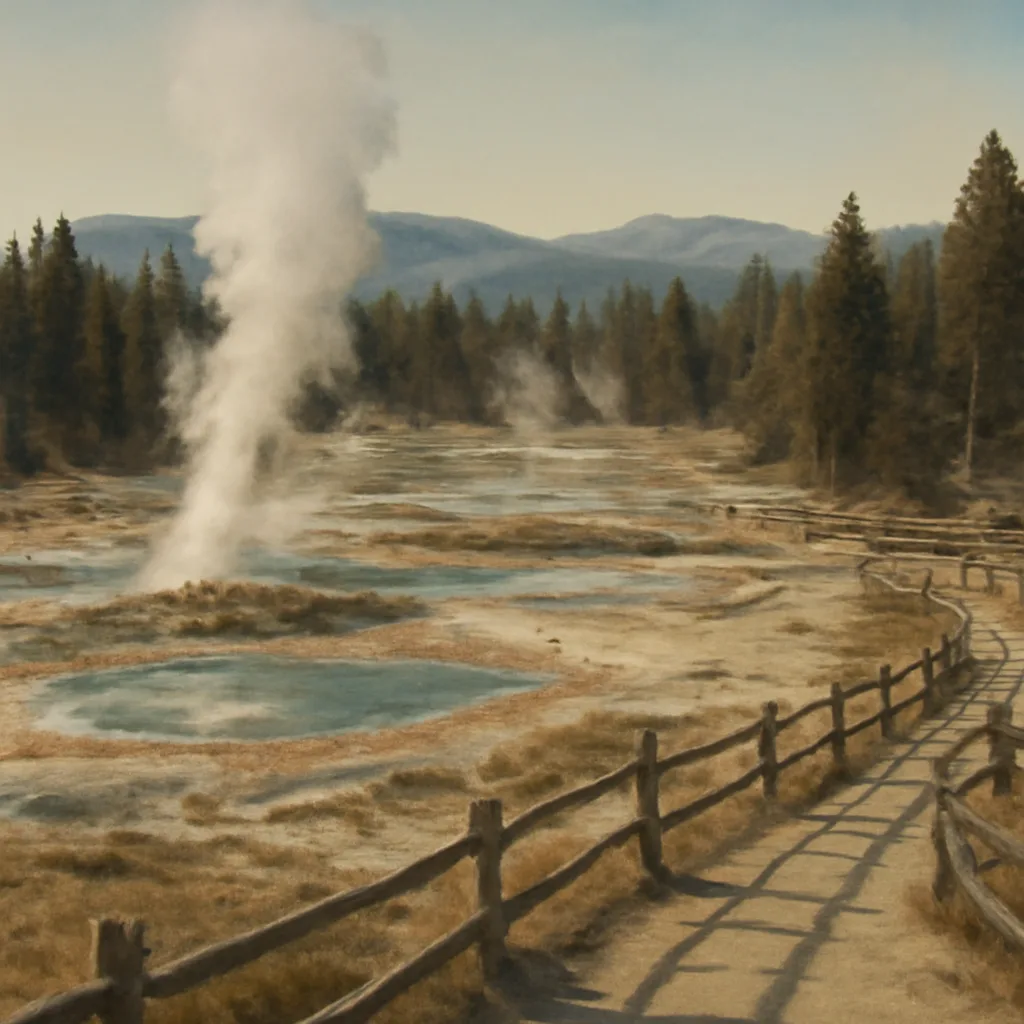
On May 7, 1891, the U.S. government enlarged the Yellowstone area to include surrounding forest and watershed, strengthening protections for the park’s geothermal features and wildlife amid rising threats from development and exploitation.
First Public Demonstration of Radar Tracking Aircraft, May 7, 1936
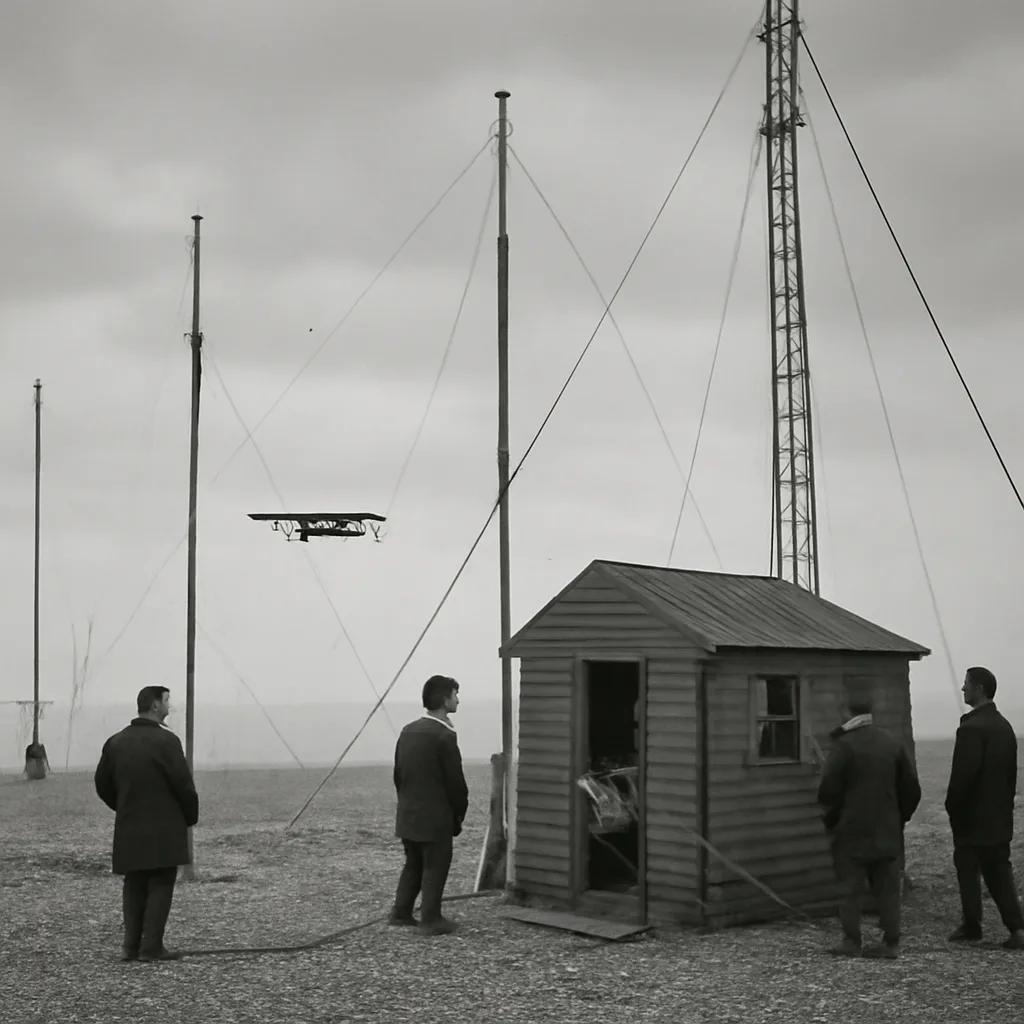
On 7 May 1936, British scientists gave the first public demonstration that radio echoes could detect and track aircraft, a pivotal step in the development of radar for air defence.
Germany Surrenders, Ending World War II in Europe
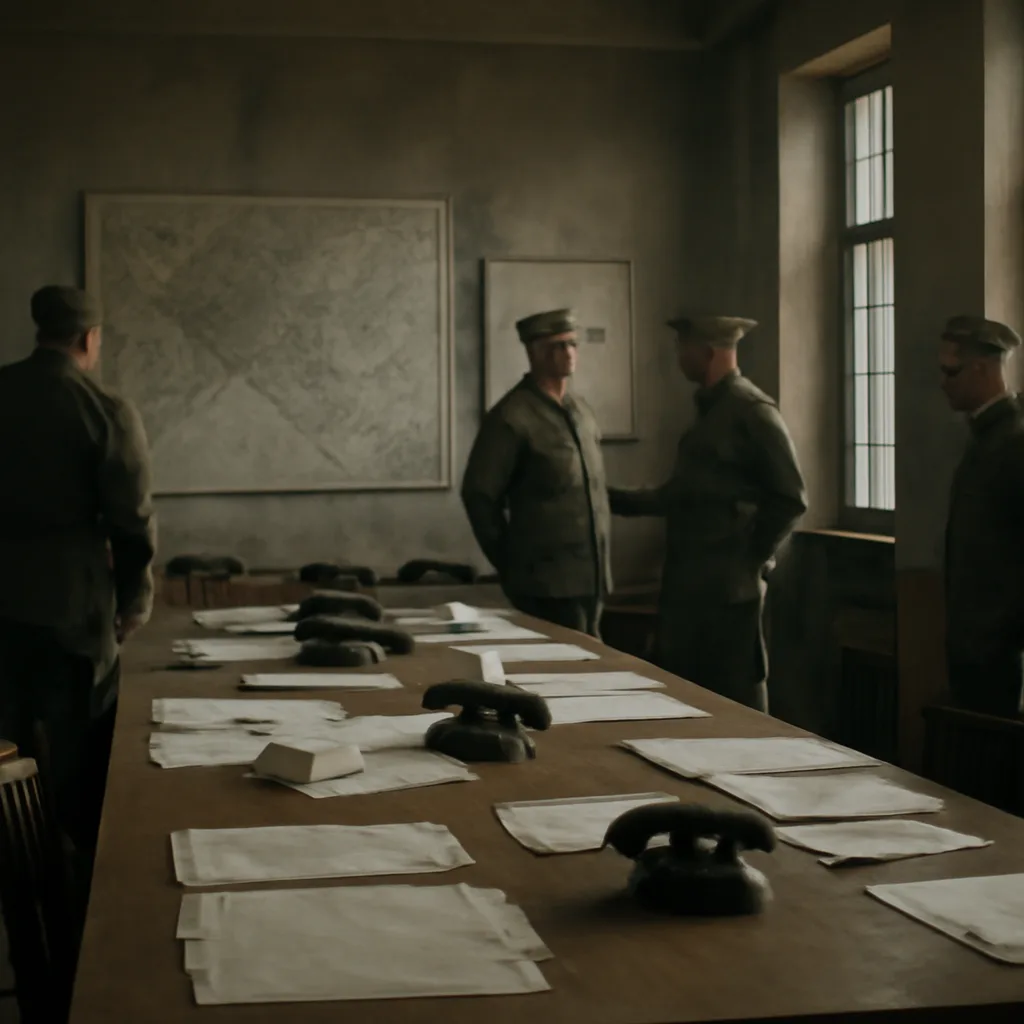
On 7 May 1945 Germany signed an unconditional surrender that took effect on 8 May, bringing active combat in Europe to an end and marking Victory in Europe (VE) Day amid Allied occupation and the continent’s vast postwar devastation.