
← Back
05/07/2020 • 5 views

Unseasonable fish shower causes multiple traffic collisions in city
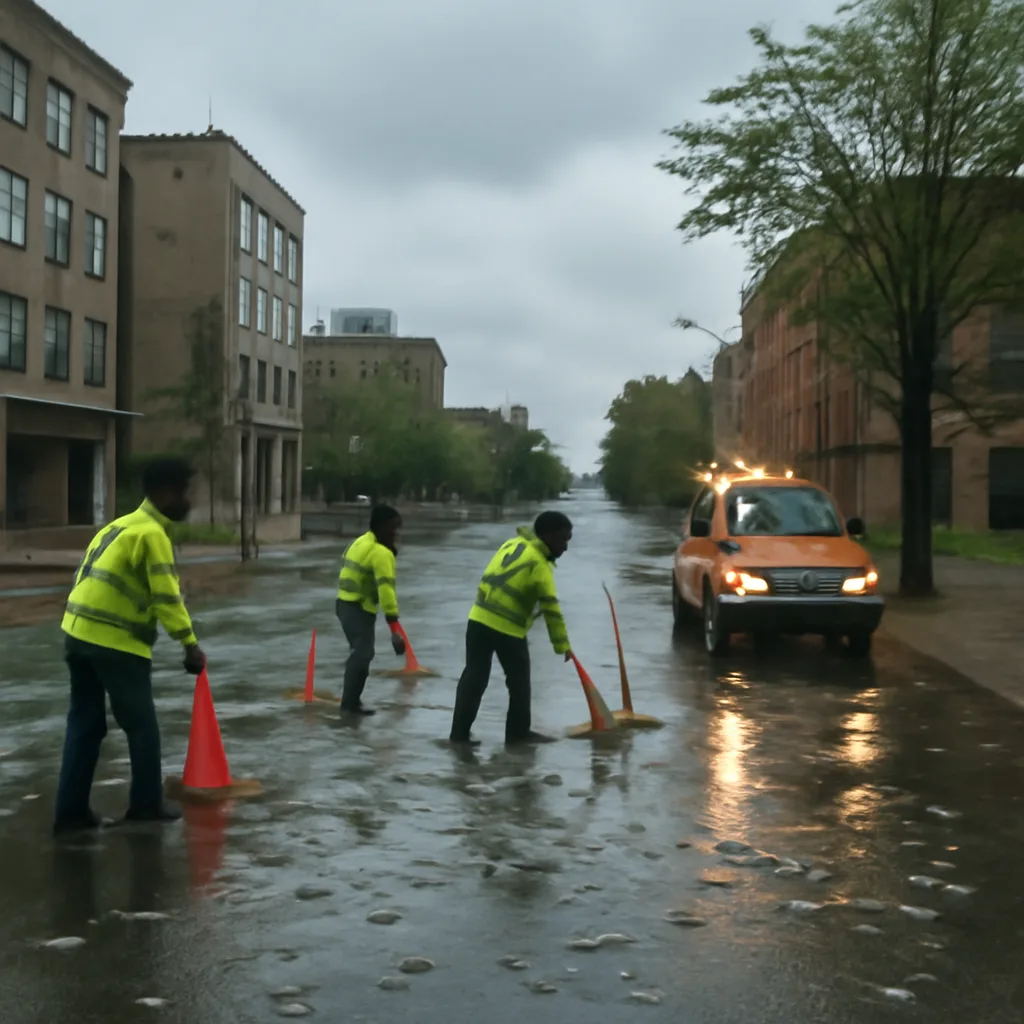
Street scene after a brief storm: small fish scattered across a wet urban roadway and sidewalk while municipal crews and traffic cones clear the area; no identifiable faces visible.

On May 7, 2020, reports emerged that small fish fell from the sky across parts of the city, creating slippery roads and contributing to a series of traffic accidents; authorities investigated environmental and meteorological explanations.


On May 7, 2020, residents in multiple neighborhoods reported an unusual occurrence: small fish appearing on streets, sidewalks and parked cars after a brief weather event. The presence of fish on roadways made surfaces slick in places where drivers and cyclists later lost traction, and police and emergency services recorded several minor to moderate traffic collisions that day. No confirmed fatalities directly attributed to the fish-related conditions were reported in available contemporaneous accounts.

Accounts and local news coverage from that date describe dozens of small fish—often described as minnows or similar small freshwater species—found scattered across outdoor surfaces. The phenomenon prompted municipal crews to clear affected roadways and sidewalks. Traffic delays and a higher-than-normal number of calls related to fender-benders and single-vehicle slides were noted in affected districts during and after cleanup operations.

Such ‘‘animal rain’’ events have documented precedents globally and are typically investigated through meteorological and environmental lenses. Possible explanations considered by experts in comparable incidents include waterspouts or strong, low-level wind events lifting lightweight aquatic organisms from water bodies and depositing them inland; localized sewer or drainage overflows that can carry fish from ponds or streams onto streets during heavy rain; or human activity, such as bait releases or accidental spillage from vehicles transporting live fish. In most historical cases, no single explanation fits every detail, and local conditions must be examined to determine the most plausible cause.

For the May 7 event, municipal authorities and local environmental agencies reportedly examined nearby water bodies, drainage systems and weather records to assess whether a waterspout or sudden storm could have transported fish, or whether flooding and drainage flows displaced them onto roadways. Weather-service logs for that date indicate brief convective activity and localized showers in parts of the metropolitan area, which would be consistent with rapid, localized flooding but do not alone confirm aerial transport.

Road-safety officials emphasized that the immediate hazard was not the presence of fish itself but the slippery surfaces and unexpected debris on routes that drivers rely on for traction and predictability. Transportation departments advised motorists to reduce speed, increase following distance and avoid sudden maneuvers in areas where crews were clearing fish and detritus. Municipal street-cleaning teams and public-works crews focused on removing fish from road surfaces and inspecting storm drains to prevent recontamination during subsequent precipitation.

Environmental health teams monitored for secondary concerns such as odors, scavenging animals and potential water-quality impacts where large numbers of fish accumulated. In comparable incidents elsewhere, rapid removal and disposal of displaced animals reduces the likelihood of decomposition-related nuisances or localized contamination.

Local scientists and university researchers noted the broader scientific interest of such events while cautioning against sensational explanations without evidence. They recommended systematic sampling of the fish to identify species, examination of nearby water levels and drainage patterns, and review of meteorological radar and eyewitness accounts to establish a credible sequence of events. Public communications from officials aimed to balance curiosity with safety guidance and avoided premature attribution to any single cause.

In summary, the May 7, 2020 fish shower created a practical public-safety issue by making streets slippery and contributing to traffic collisions. Investigations focused on weather records, drainage behavior and nearby aquatic habitats to determine the most likely mechanism, reflecting how similar anomalous animal-deposition events have been studied historically. Where available, official reports and environmental agency findings would provide the definitive account of cause and consequence.

Share this

Email Share on X Facebook Reddit

Did this surprise you?