On this day: October 30
Radio Drama Sparks Nationwide Panic Over 'Alien Invasion' in 1938
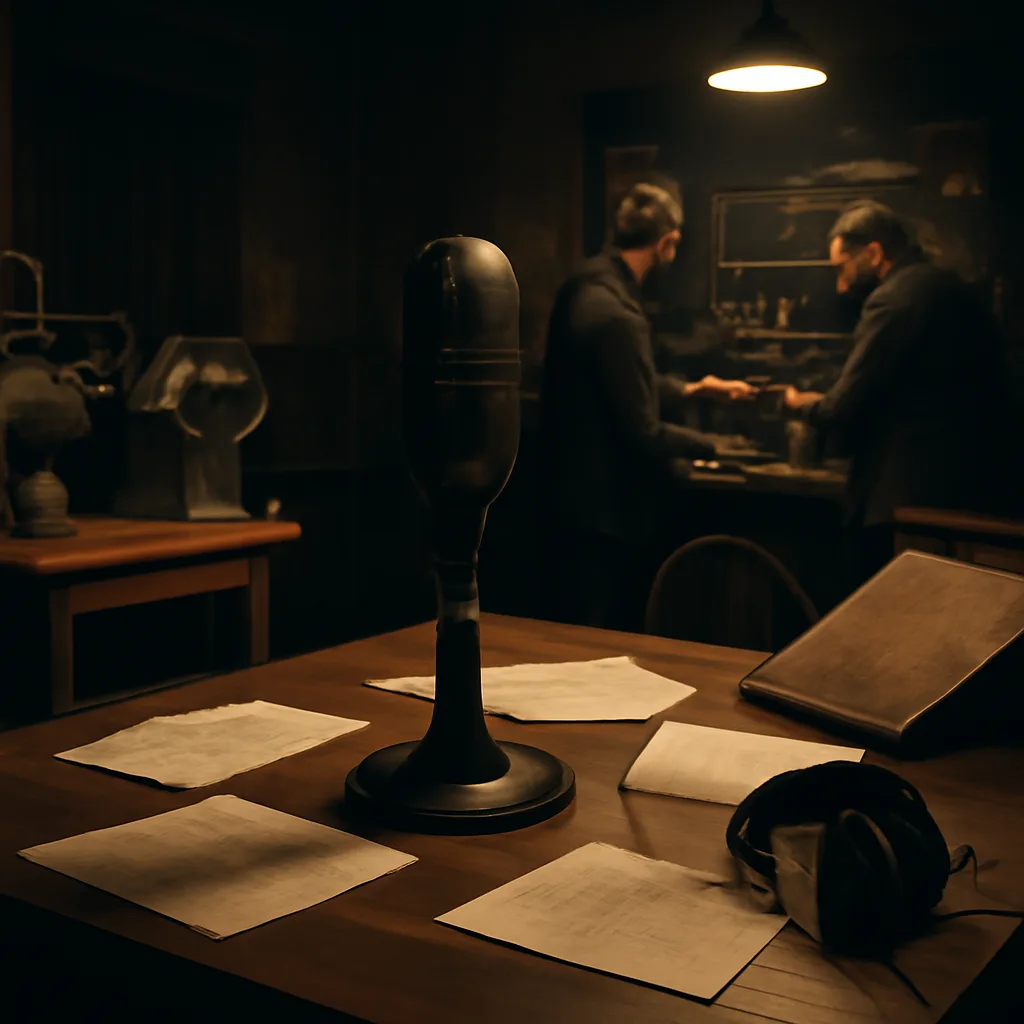
On October 30, 1938, a radio adaptation of H. G. Wells’s The War of the Worlds, presented as a series of news bulletins, prompted panic in parts of the United States when listeners mistook the fictional broadcast for real events.
The 1938 Radio Panic: Responses to Orson Welles’s Halloween Broadcast
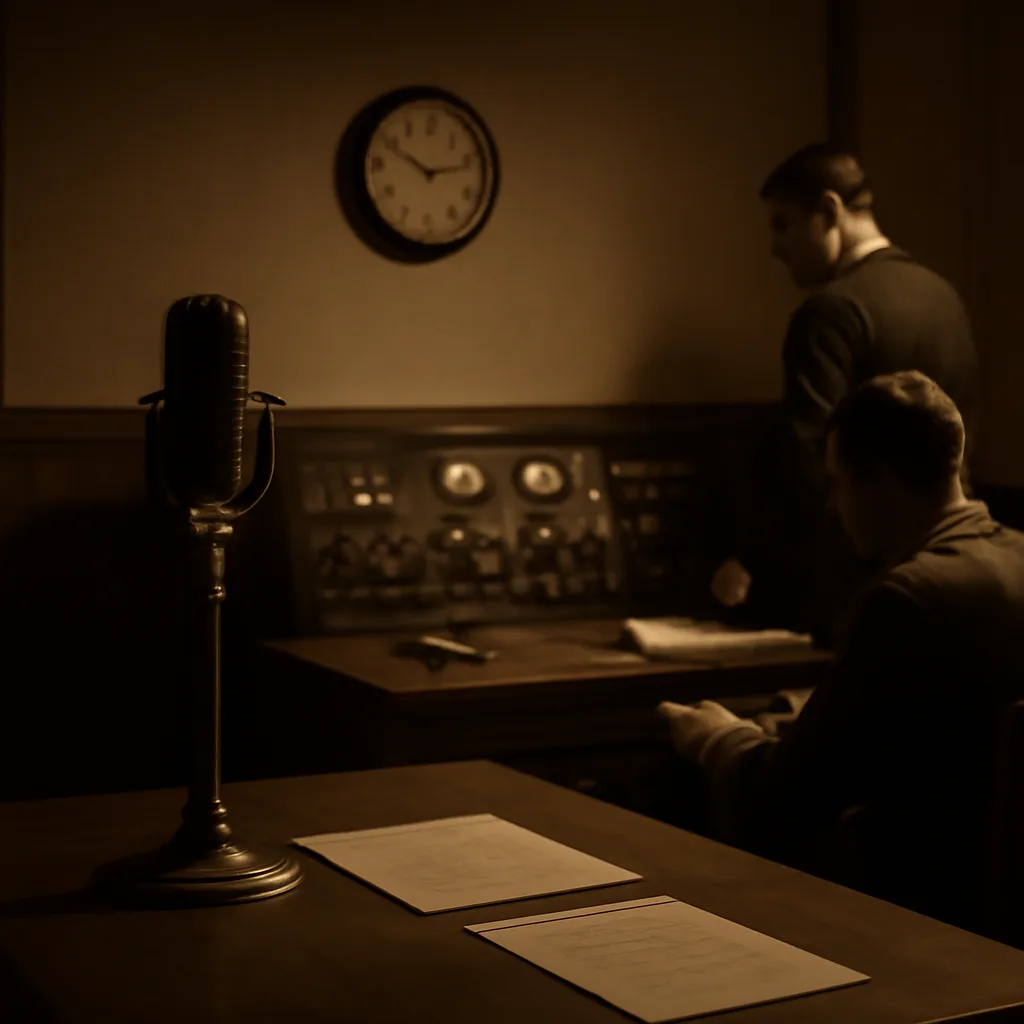
On the evening of October 30, 1938, Orson Welles’s radio adaptation of H. G. Wells’s The War of the Worlds prompted widespread reports of panic across the United States; historians debate the scale of these reactions and attribute them to factors like news format, local context, and later press amplification.
The 1938 Orson Welles Broadcast and a Wave of Mass Perception
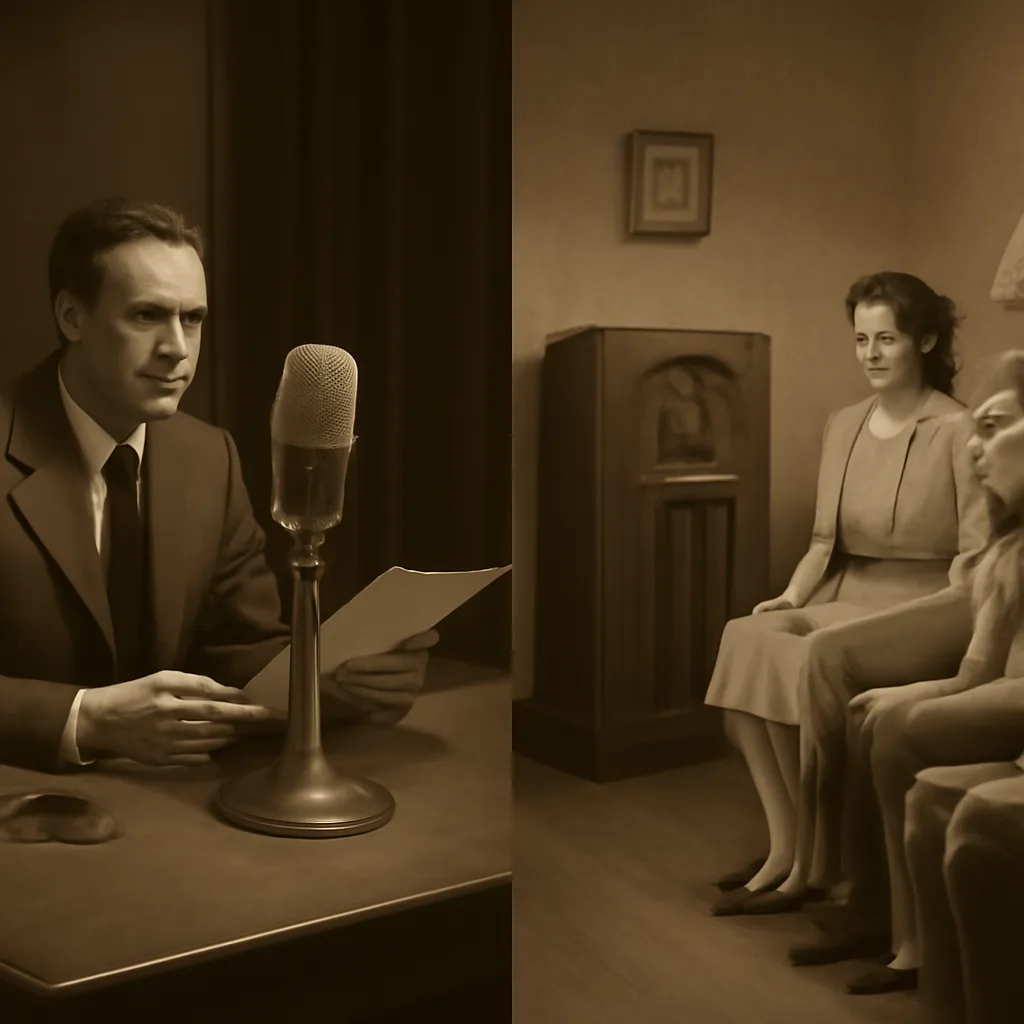
On October 30, 1938, Orson Welles’s radio adaptation of H. G. Wells’s The War of the Worlds prompted widespread reports of panic and belief in an actual Martian invasion—an episode long cited as an example of mass hallucination and media influence, though the extent of the panic remains debated.
Orson Welles’ Halloween Broadcast of The War of the Worlds Triggers Nationwide Alarm
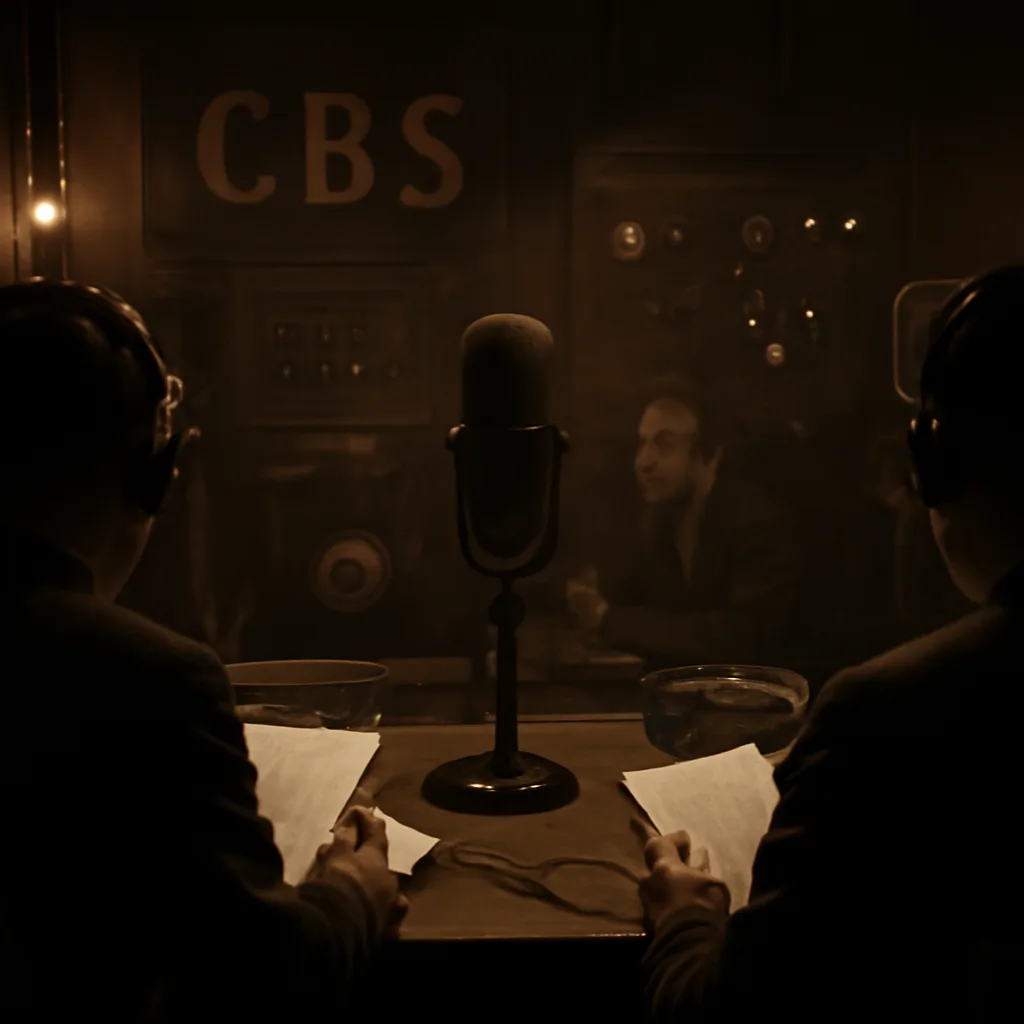
On October 30, 1938, a radio adaptation of H.G. Wells’s The War of the Worlds, presented by Orson Welles and the Mercury Theatre on the Air, led to widespread reports of panic across the United States as some listeners interpreted the program’s simulated news bulletins as real events.
The 1938 Phantom Radio Panic: First Large-Scale Reported Mass Hallucination?
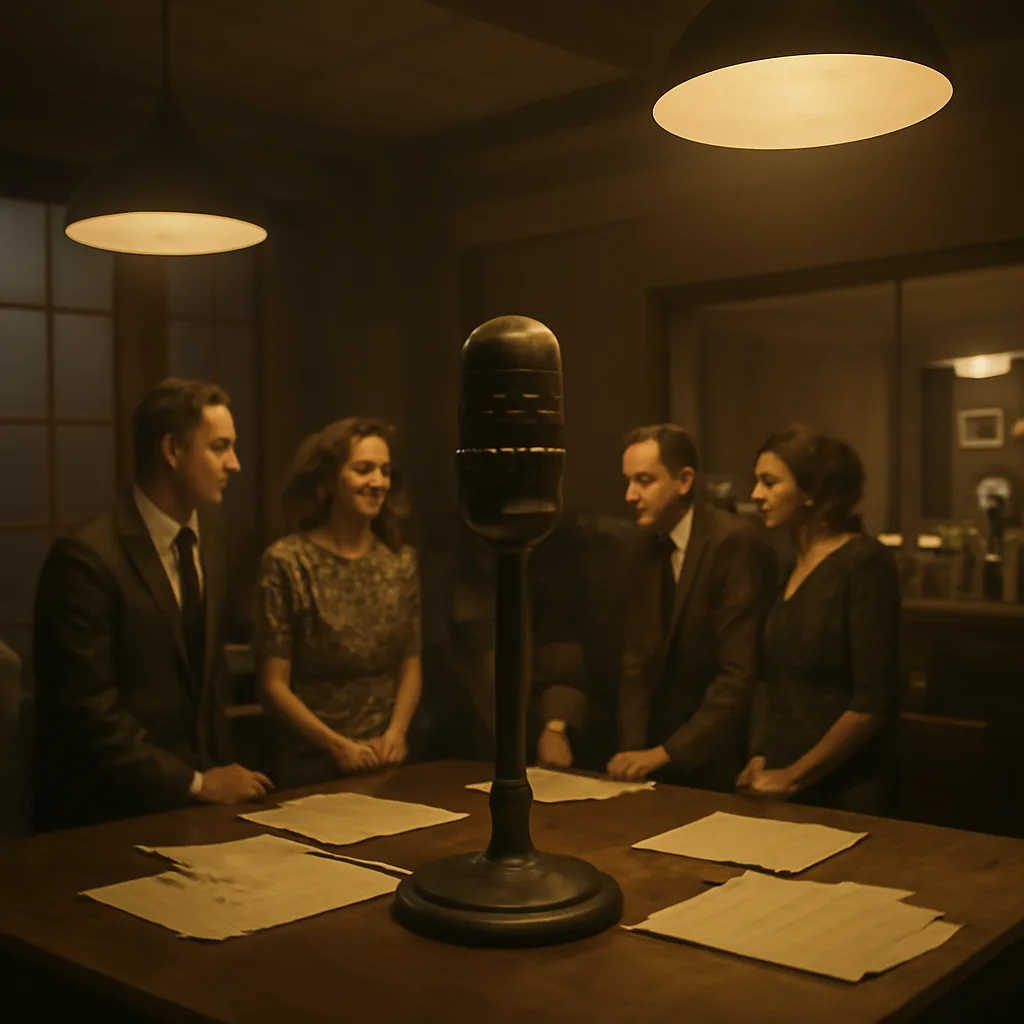
On October 30, 1938, Orson Welles’s radio adaptation of The War of the Worlds prompted widespread reports of panic and supposed mass hallucination—later debated by historians as exaggerated media reaction and social contagion rather than literal shared visions.
1938 Radio Drama Triggers Nationwide Panic Over Alleged 'Alien Invasion'
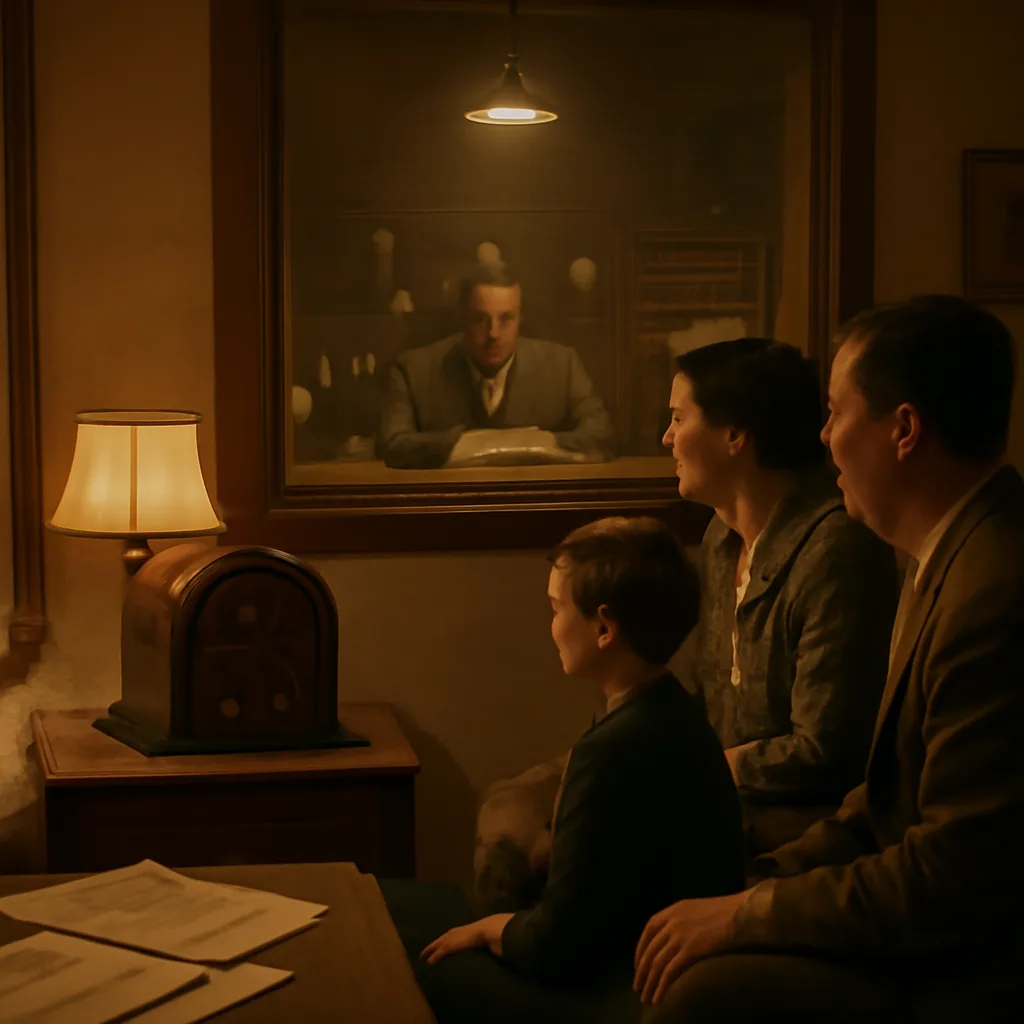
On the evening of October 30, 1938, Orson Welles's radio adaptation of War of the Worlds, broadcast as a series of realistic news bulletins, prompted widespread fear and confusion across parts of the United States as listeners mistook the dramatization for actual events.
The 1938 War of the Worlds Broadcast and the Panic That Followed
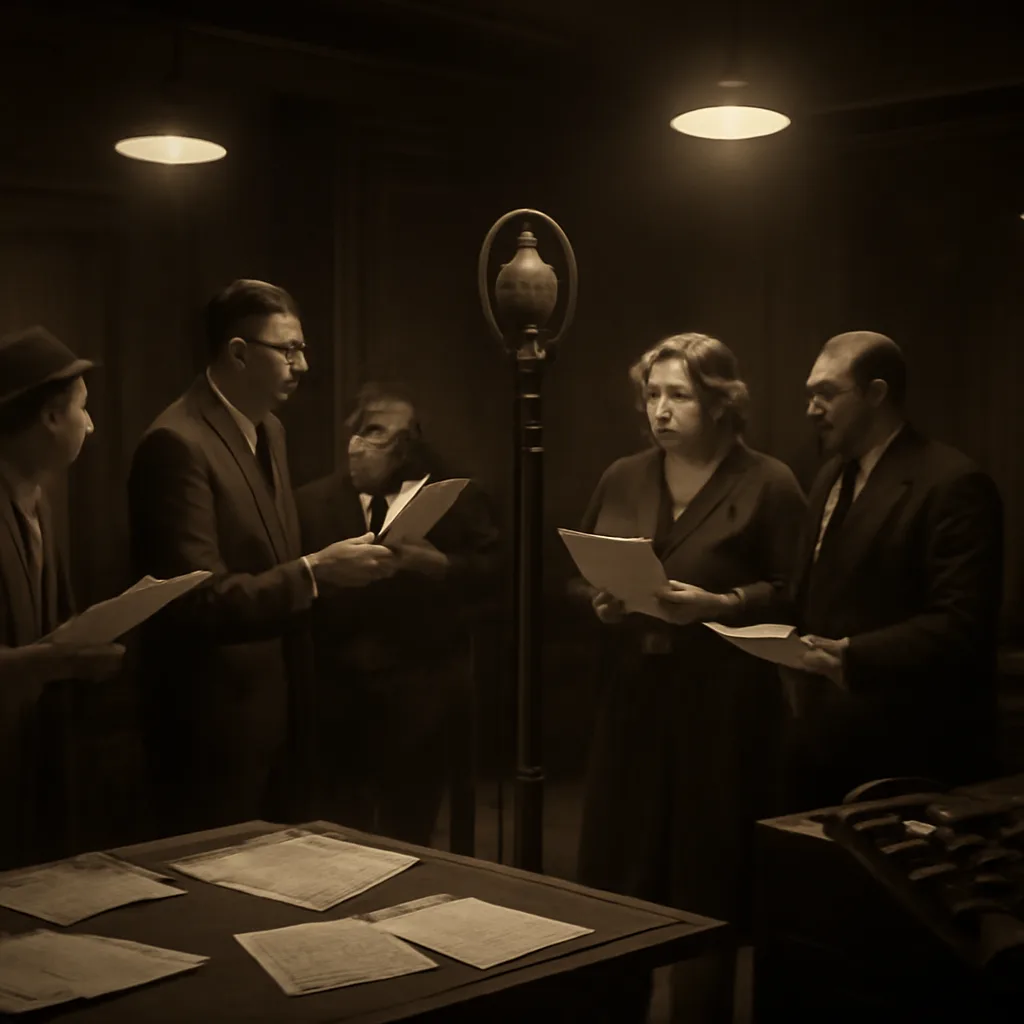
On October 30, 1938, Orson Welles’s radio adaptation of H.G. Wells’s The War of the Worlds was presented in a news-bulletin format that led to widespread reports of public alarm; the extent of the resulting panic has been debated by historians.
When a 1938 Radio Drama Started a Nationwide Panic
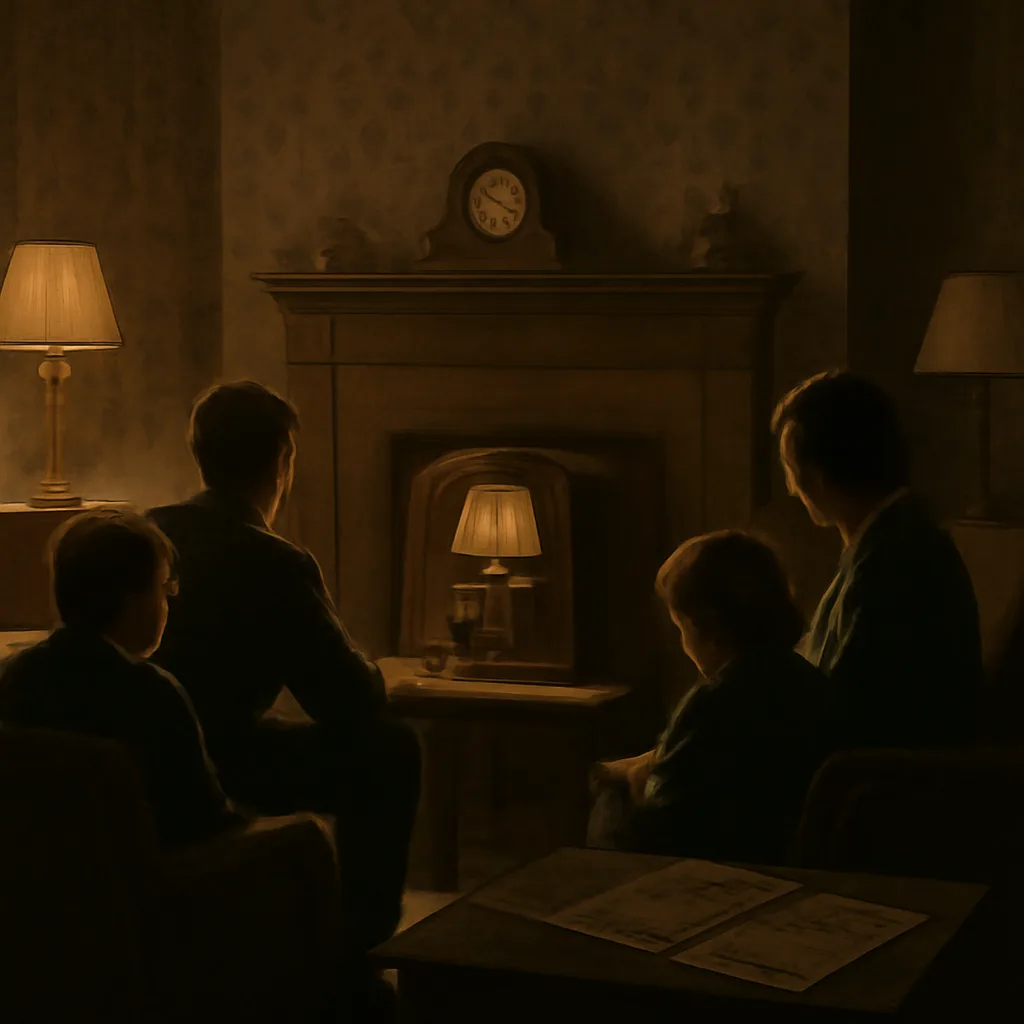
On the evening of October 30, 1938, Orson Welles’s radio adaptation of The War of the Worlds led many listeners to believe an actual Martian invasion was underway, provoking widespread alarm that became the first extensively documented mass panic caused by a broadcast.
The 1938 Radio Broadcast That Sparked Nationwide Panic

On the evening of October 30, 1938, Orson Welles’s radio adaptation of The War of the Worlds aired as a Halloween episode, and its realistic news-style format led many listeners to believe an actual Martian invasion was underway, prompting widespread alarm and a lasting debate about media influence.
Tabloids Publish Leaks Alleging Political Corruption
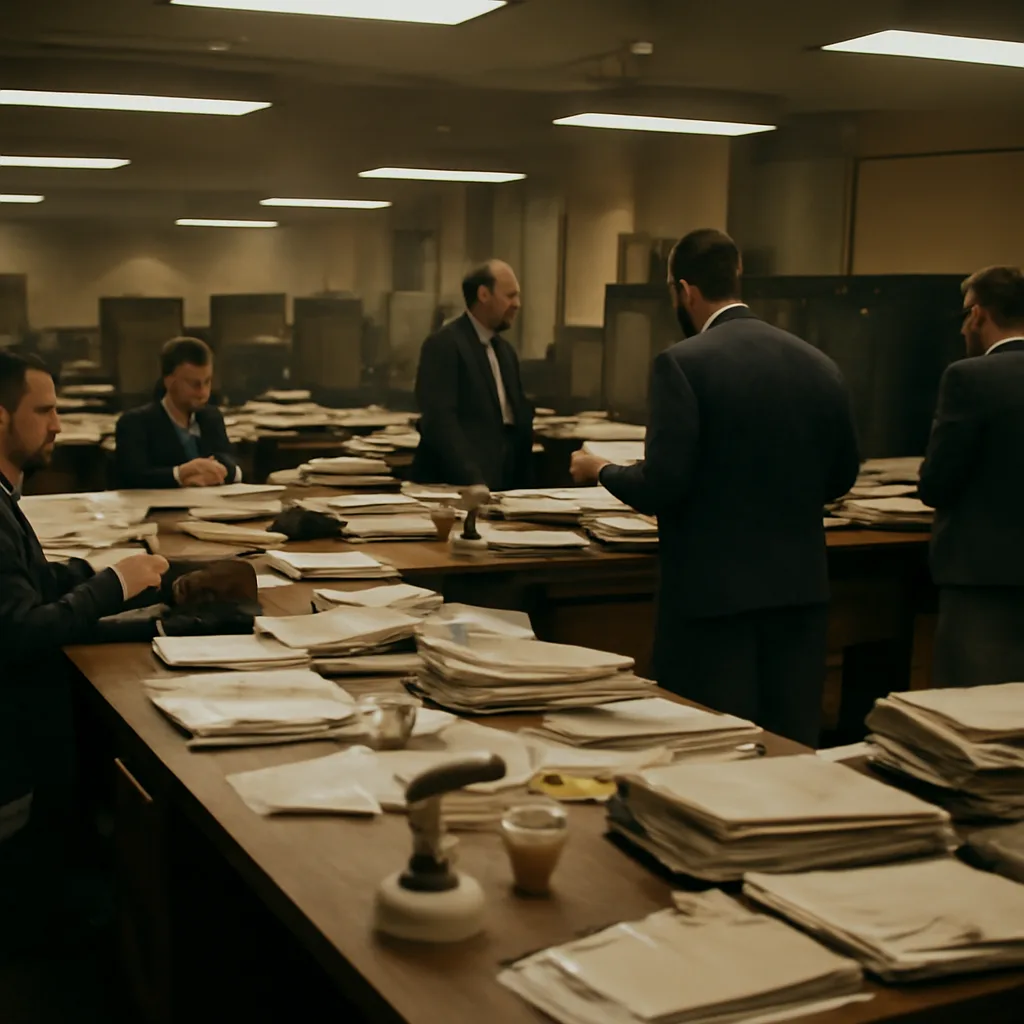
On 30 October 1986 British tabloids ran a wave of stories based on leaked documents and sources alleging improprieties among senior politicians and public figures, prompting debate over press ethics and political accountability.
The 1938 Radio Panic: Mass Fear After the War of the Worlds Broadcast
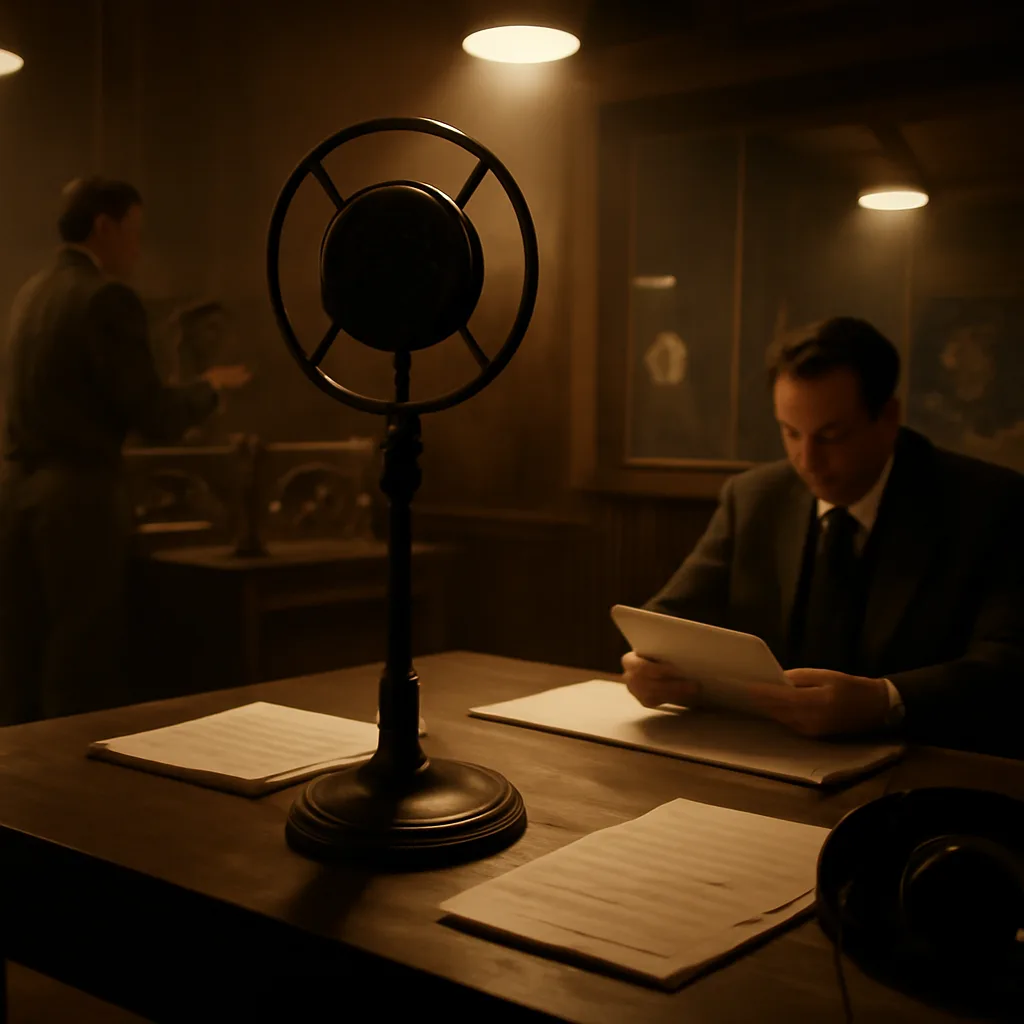
On the evening of October 30, 1938, Orson Welles’s radio adaptation of H.G. Wells’s The War of the Worlds triggered widespread alarm in parts of the United States as some listeners believed a real invasion was underway—a phenomenon later studied as a landmark example of mass panic and media influence.
When a Radio Drama Sparked Nationwide Panic: The 1938 Broadcast That Terrified America
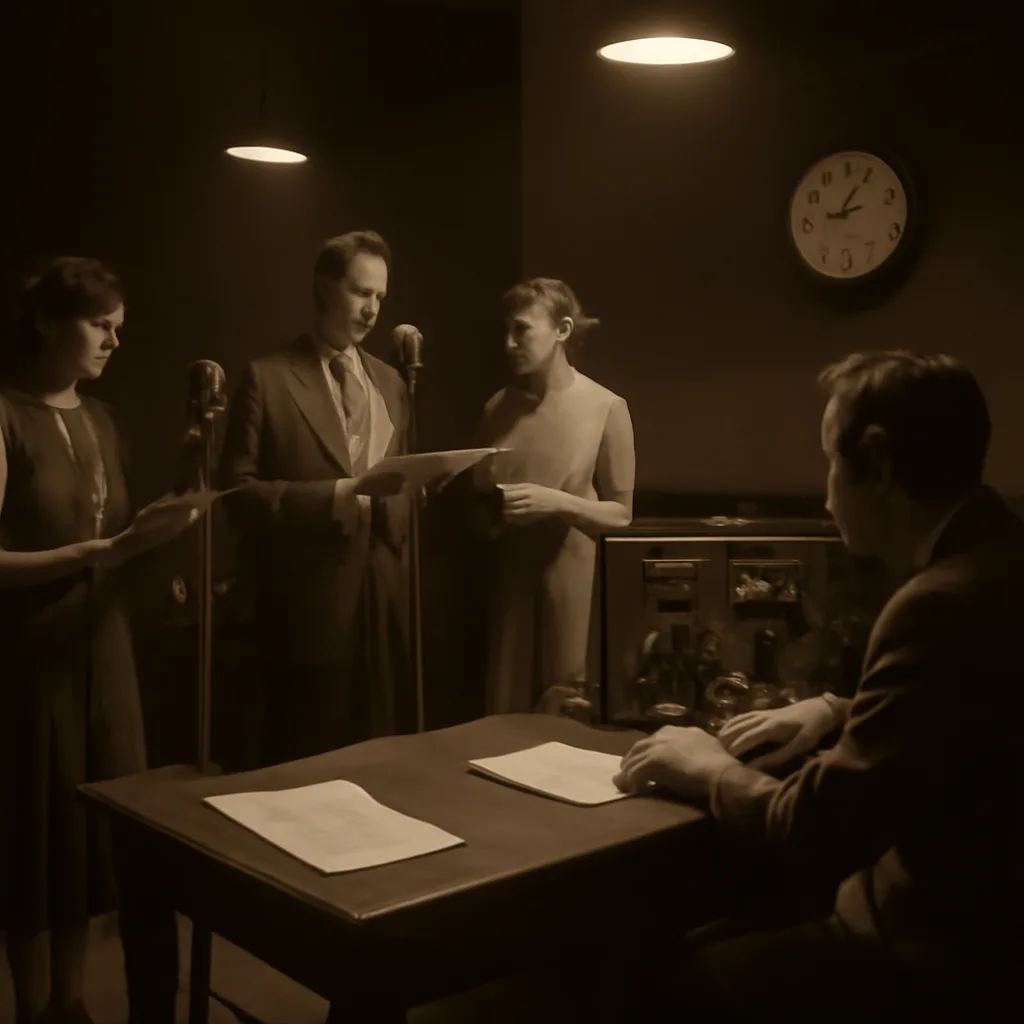
On October 30, 1938, Orson Welles’s radio adaptation of H.G. Wells’s The War of the Worlds prompted widespread fear among listeners who believed an actual Martian invasion was underway—one of the first documented instances of mass panic attributed to a radio broadcast.
Orson Welles's 1938 Radio Drama and the Myth of Mass Panic
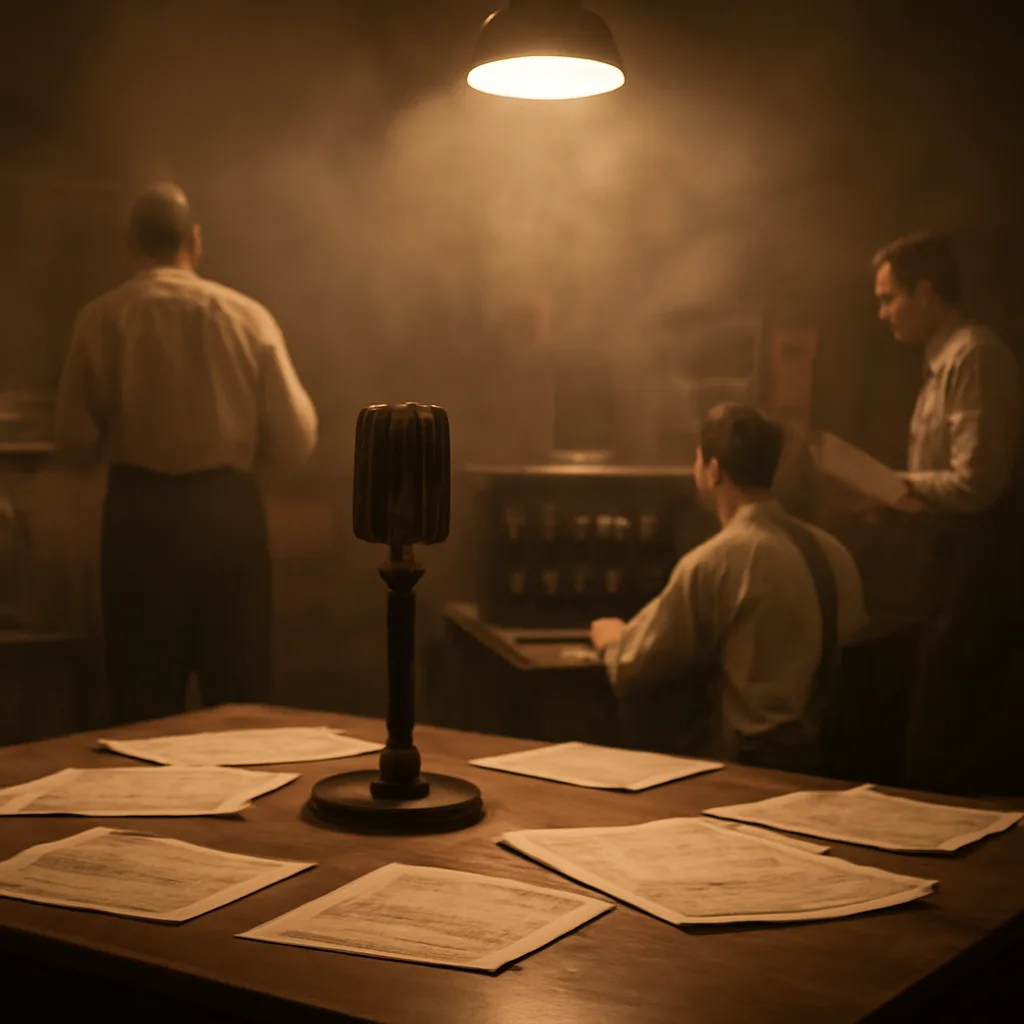
On October 30, 1938, Orson Welles and the Mercury Theatre broadcast a radio adaptation of H. G. Wells's The War of the Worlds; reports of nationwide panic grew rapidly afterward, but historians now view the scale of public hysteria as exaggerated.
Cold War Tensions Spike After Soviet Nuclear Test
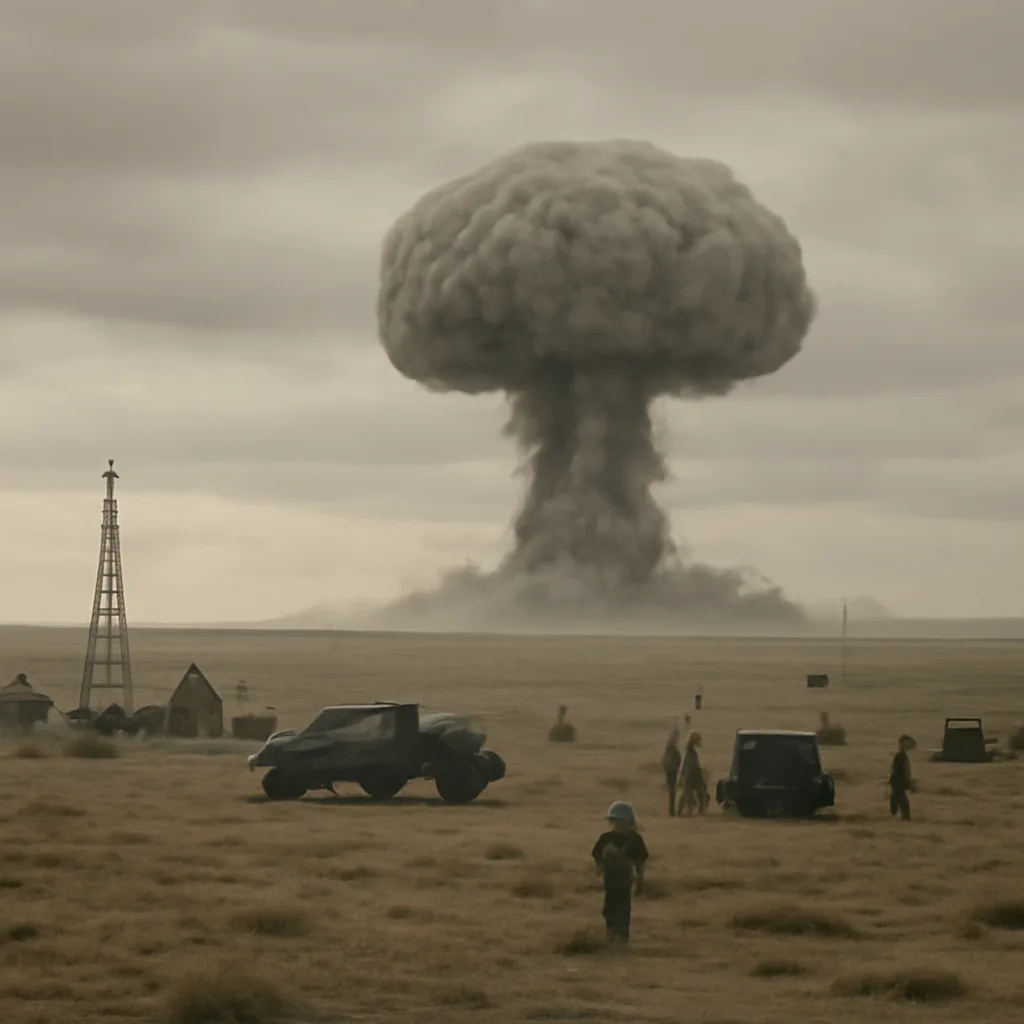
On October 30, 1961, the Soviet Union conducted a major nuclear test that intensified Cold War tensions, prompting international alarm, emergency civil defense measures, and diplomatic protests amid fears of further escalation.
How a 1938 Radio Drama Triggered the First Widely Documented Mass Panic
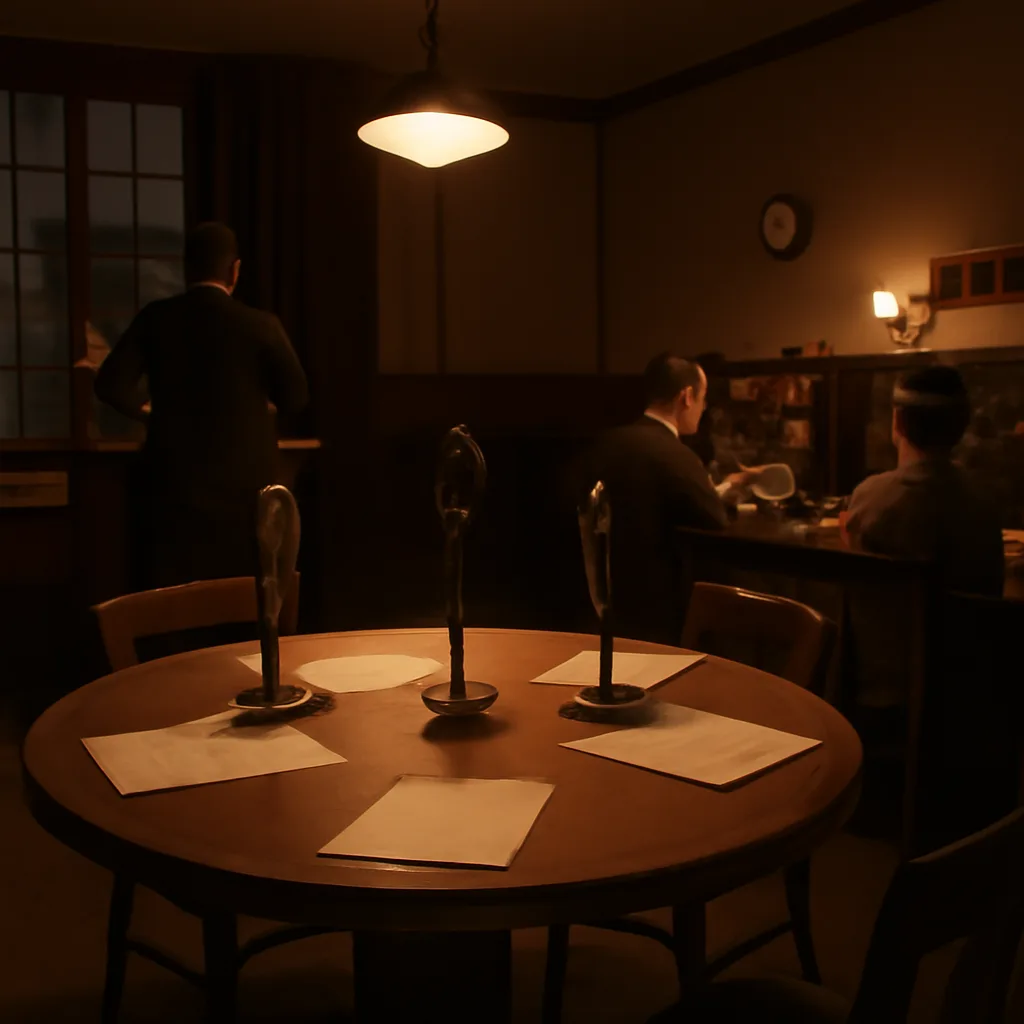
On October 30, 1938, Orson Welles’s radio adaptation of The War of the Worlds—presented as simulated news bulletins—provoked widespread alarm across parts of the United States, producing one of the first well-documented examples of mass panic driven by radio broadcasting.
The 1938 Radio Panic: The First Widely Documented Mass Hoax Panic
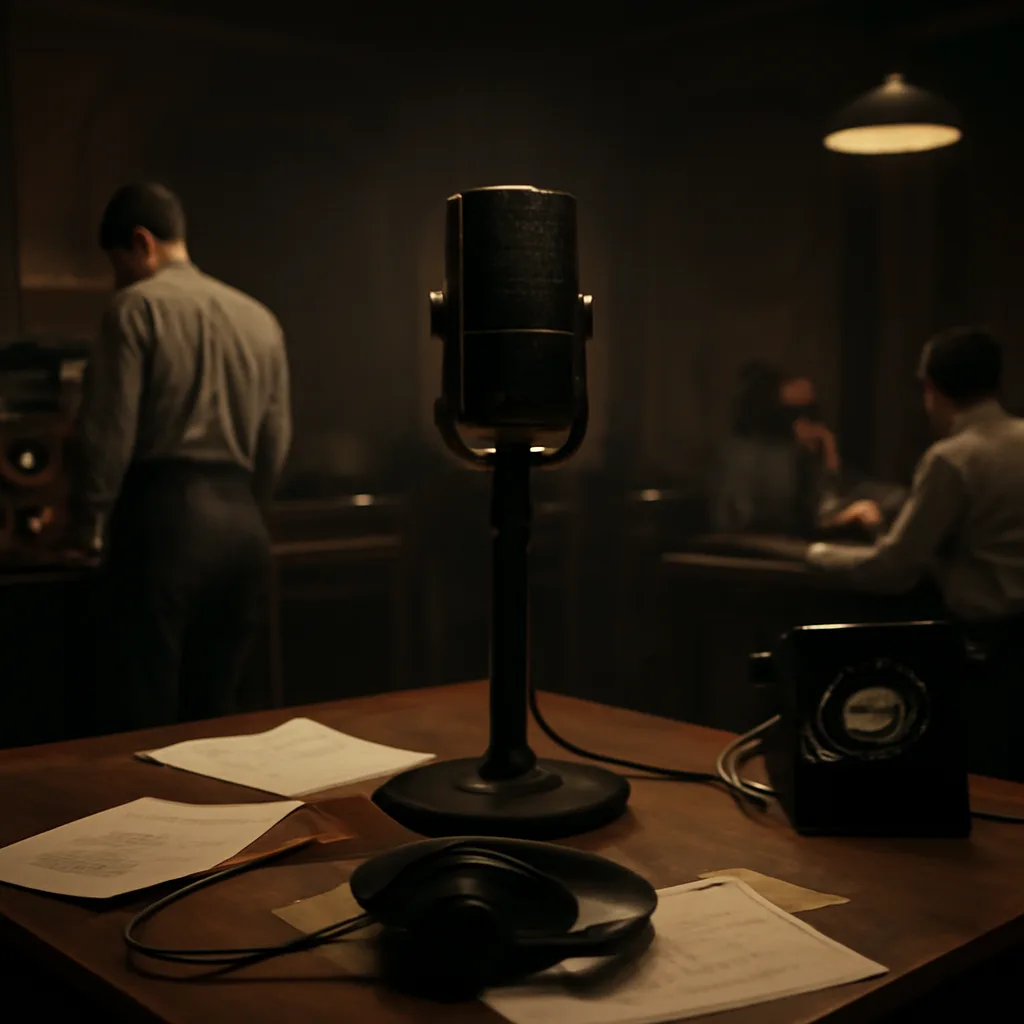
On October 30, 1938, Orson Welles’s Mercury Theatre radio adaptation of H.G. Wells’s The War of the Worlds triggered widespread panic across parts of the United States after many listeners believed the broadcast was a real news report of an alien invasion. The event became a landmark case in studies of mass panic and media effects.
British soldiers fire on civilians during Northern Ireland's Bloody Sunday, 1972
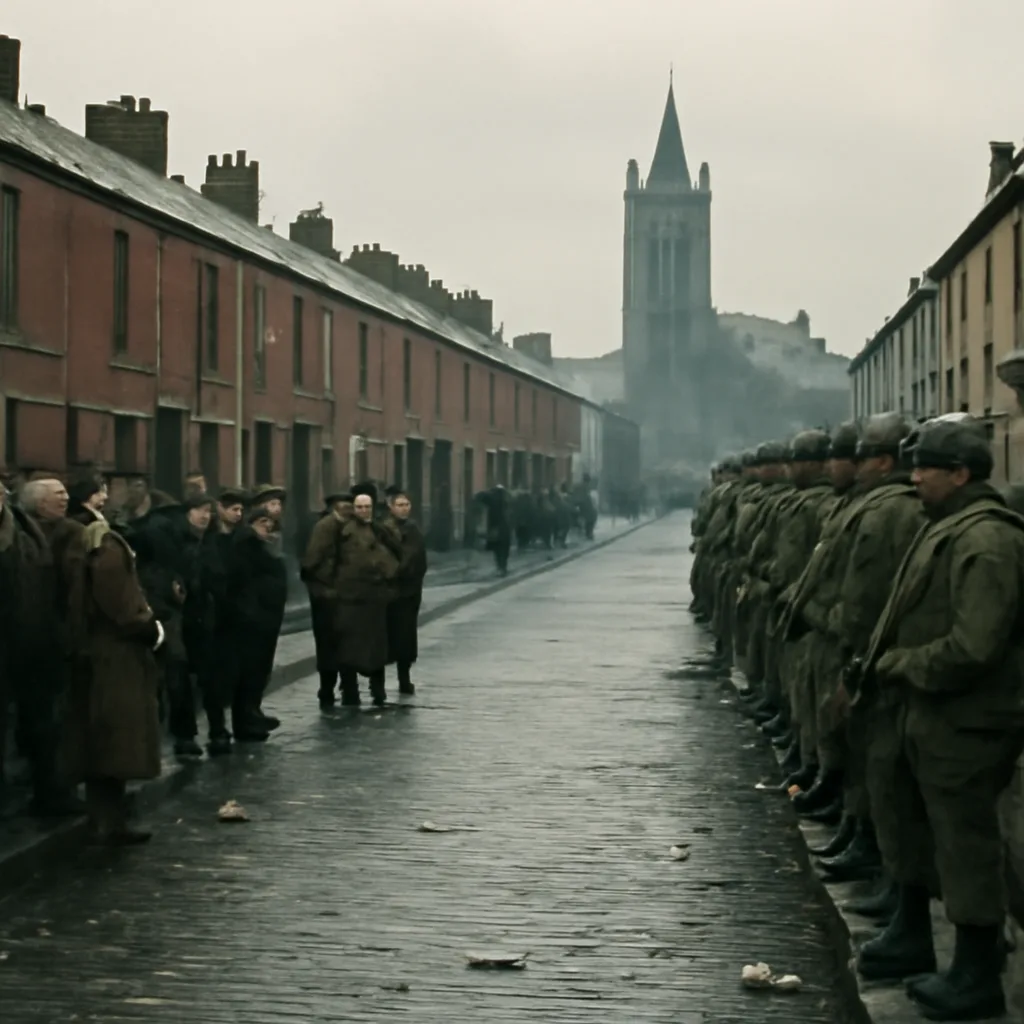
On 30 October 1972 in Derry (Londonderry), British paratroopers shot at civilians during a civil rights protest, killing 13 people and wounding others; the incident intensified sectarian tensions and prompted multiple inquiries and public outcry.
Soviet Union Tests the Largest Nuclear Device in History
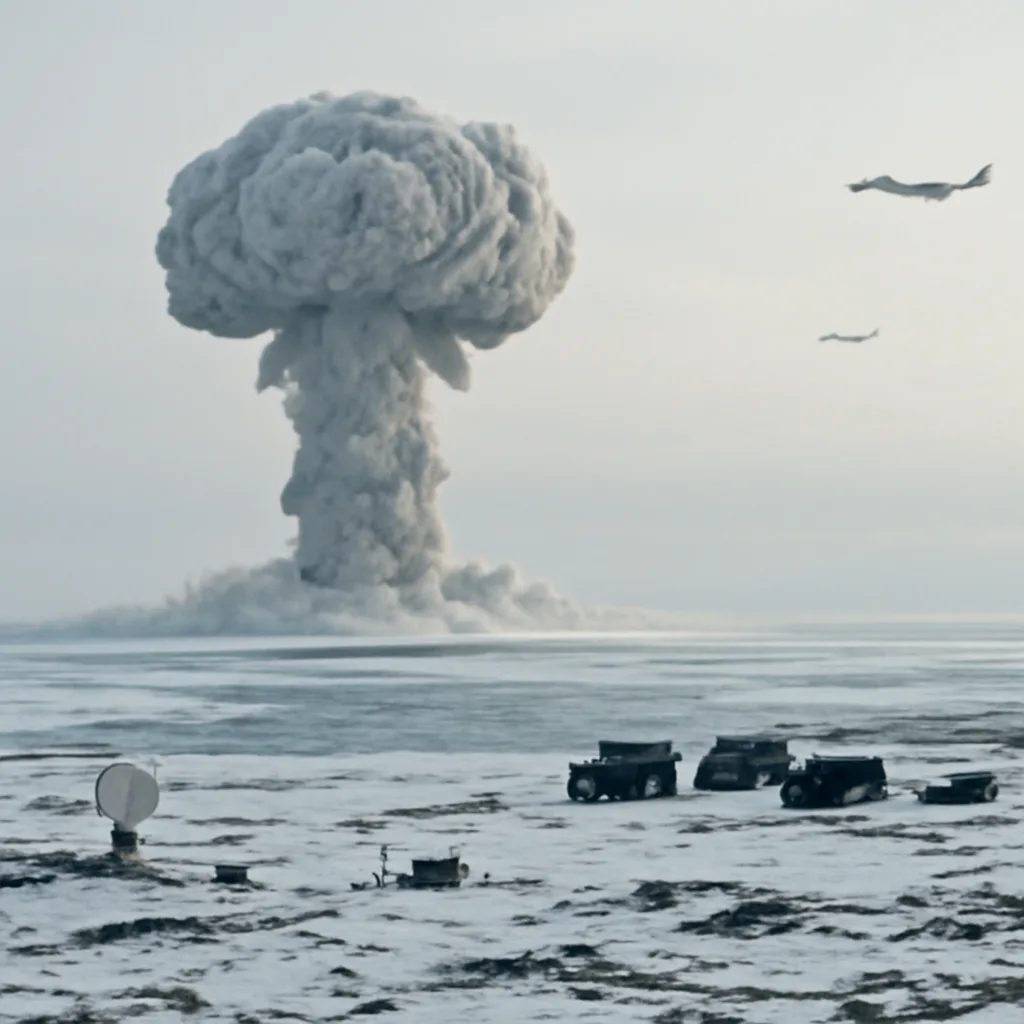
On October 30, 1961, the Soviet Union detonated the Tsar Bomba over Novaya Zemlya — the most powerful nuclear explosion ever tested — reverberating worldwide with unprecedented blast and atmospheric effects.